Inflation in Spain
Yesterday we learned about price changes in Spain for June. In the same month, the price of a barrel of Brent oil fell from 95 USD to 75 USD, so one could expect an improvement in the inflation situation.
That was also the expectation of analysts who anticipated a drop from 3.2% to 3%. The problem is that there was no drop. The result still stands at 3%. Moreover, monthly inflation in June reached 0.6%. This shows that the fourth most populous country in the euro zone may have serious price level problems.
If this problem starts to spread to other countries, further rate hikes by the ECB may prove necessary.
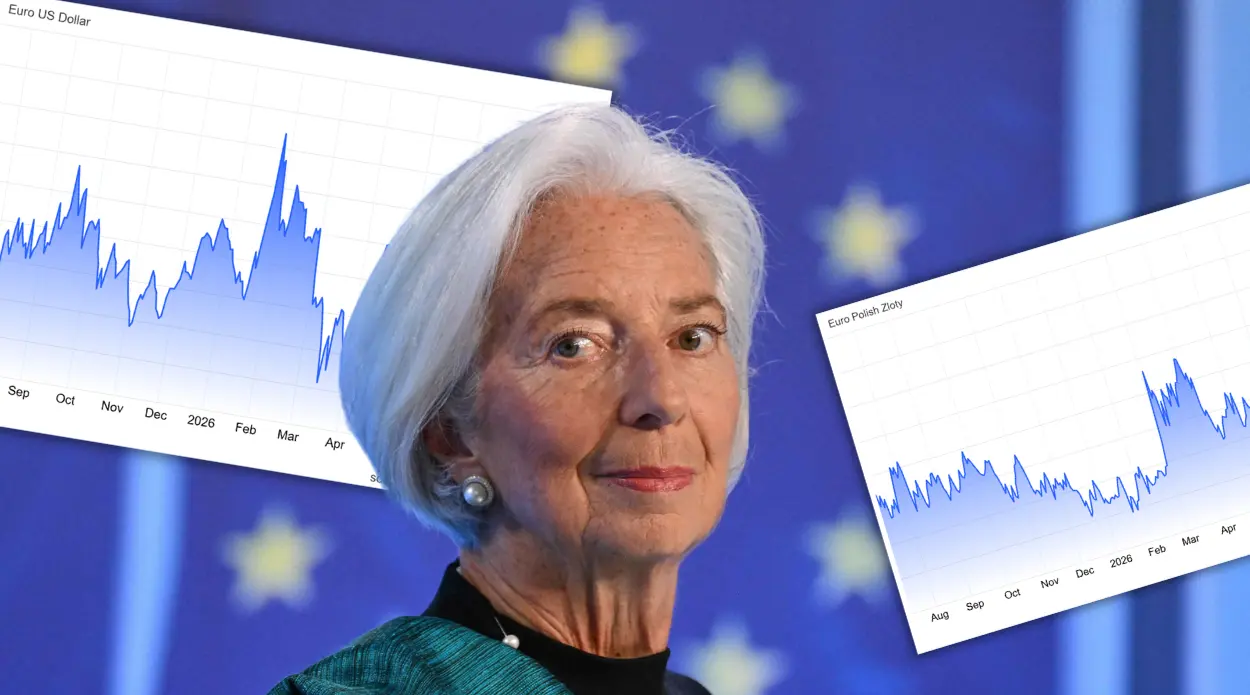
What impact could this have on the zloty? The higher the interest rates in the euro zone, the weaker the zloty – investors will proportionally choose the euro.
Such a move could therefore cause the EUR/PLN rate to clearly exceed 4.30 PLN.
What next for the zloty?
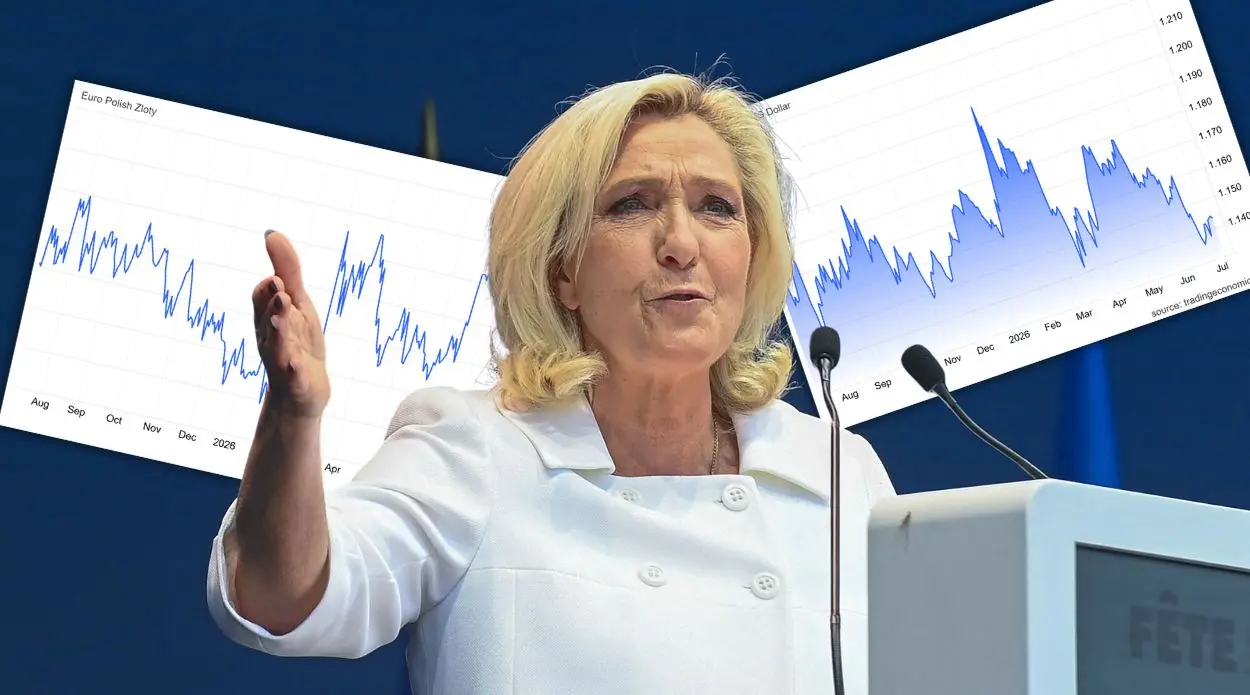
The EUR/PLN rate has been oscillating around 4.29 PLN for a week.
The last time we saw such a weak zloty was in March. At that time it was the first month of the Gulf War, and markets were accompanied by related uncertainty. Now there are no such factors, yet the Polish currency remains very weak again. Partly this can be explained by changes in interest rates and expectations about their future direction.
Markets also see Poland's problems with a gigantic deficit, which should also affect our currency. The problem is that when we look at the bond market, the picture is exactly the opposite.
Along with the calming of the situation in the Middle East, bond yields are falling, but not as strongly as in Poland. The last factor is the strength of the dollar. The very strong U.S. currency recently siphons capital from other parts of the world. This, in turn, translates more into the weakness of the zloty than the euro, which is more stable.
Will we see a serious correction in the cryptocurrency market?
A serious problem has emerged in the cryptocurrency market – the Strategy investment fund, investing in Bitcoin, is starting to have increasing troubles. There are several sources of problems. The first is the decline in Bitcoin price, through which the fund holds a large number of units bought above market price.
The second is financing methods. The company issued large packages of preferred shares paying high dividends. On top of that, falling share prices make new issuances a less effective source of financing.
If Bitcoin rises, the company's situation will stabilize. The problem is that only BlackRock and one exchange hold more Bitcoin. If such a large player has problems, it may quickly become apparent that simply not buying more Bitcoin will pull the market down. And that will be even deeper than now, and we are already below 60,000 USD per Bitcoin.
Today in the macroeconomic calendar there are no important readings.