Two faces of the president Glapiński's conference
“First, we do not currently have accelerated demand dynamics, as we did before. “A few years ago, due to the post‑pandemic rebound, demand surged, there was strong fiscal expansion, an influx of emigrants, and all of this collided with rising prices. Now there is nothing like that” – said the NBP president.
At the same time, as the chairman said, “wage growth in the corporate sector in the first quarter slowed to the lowest level in five years. And employment in the industrial sector is falling.” This suggests that the risk of higher prices filtering into wages is currently muted. Food prices remain low, which, as the chairman claimed, improves the inflation indicator.
On the other hand, the chairman’s remarks included the issue of core inflation, which has been infiltrated by higher air‑ticket prices and tension in commodity markets.
Additionally, risk factors are clearly tilted toward tightening monetary conditions rather than easing them. The president was also asked by the committee
“to ensure that the Council does not hesitate if there is a need to take swift action, including changing the level of interest rates, if inflation were to shape negatively, which unfortunately cannot be ruled out.”
This may not only suggest tightening monetary conditions but also a more hawkish stance by the committee than its chairman.
Although we still believe that the baseline scenario is to keep interest rates unchanged until the end of the year, the Council’s May meeting clearly opened the door to changes in monetary policy parameters. The catalyst for tightening would likely be the persistence of supply constraints on energy resources from the Gulf and higher fuel prices throughout the first half of the year.
Another turn on UST
Again, the rhythm on Treasuries was driven by Middle Eastern news. The exchange of fire between the conflict parties caused a clear rise in UST yields. The U.S. curve at major nodes moved up in a slightly flattening move of 5, 4, and 3 basis points to 3.92% (2Y), 4.41% (10Y), 4.97% (30Y). Bunds reacted somewhat more calmly to negative Gulf impulses.
The change in German curve yields was +1, +1, and +2 basis points to 2.58% (2Y), 3.01% (10Y), and 3.54% (30Y). The Asian session brought a symbolic strengthening of UST (moving toward 4.39% on 10Y). However, we assess that after yesterday’s turn, the market will find it hard to “buy” a positive development in the Gulf, and the chance of a return to U.S. debt strengthening on Friday is limited.
A good time to close quotes
The end of CEE FI quotes before negative geopolitical impulses appeared protected local bonds from weakening. Czech 10Y yields fell 3 basis points to 4.77%, and Hungarian yields did not change (5.95%). The domestic market also remained in good spirits. The PLN IRS curve moved down about 1 basis point across all maturities. Additionally, the ASW spread narrowed again on the long end – 2 basis points to 91 basis points.
Finally, the change in SPW yields was -2, -4, and -3 basis points to 4.43% (2Y), 5.14% (5Y), and 5.56% (10Y). Pessimistic signals from base markets and the approaching weekend may put pressure on CEE FI. In a negative scenario, there is potential risk of breaching the 5.60% level on 10Y POLGB. Only a clear de‑escalation impulse from the Gulf could push long‑end SPW yields toward 5.50% (alternative scenario).
FX remains calm
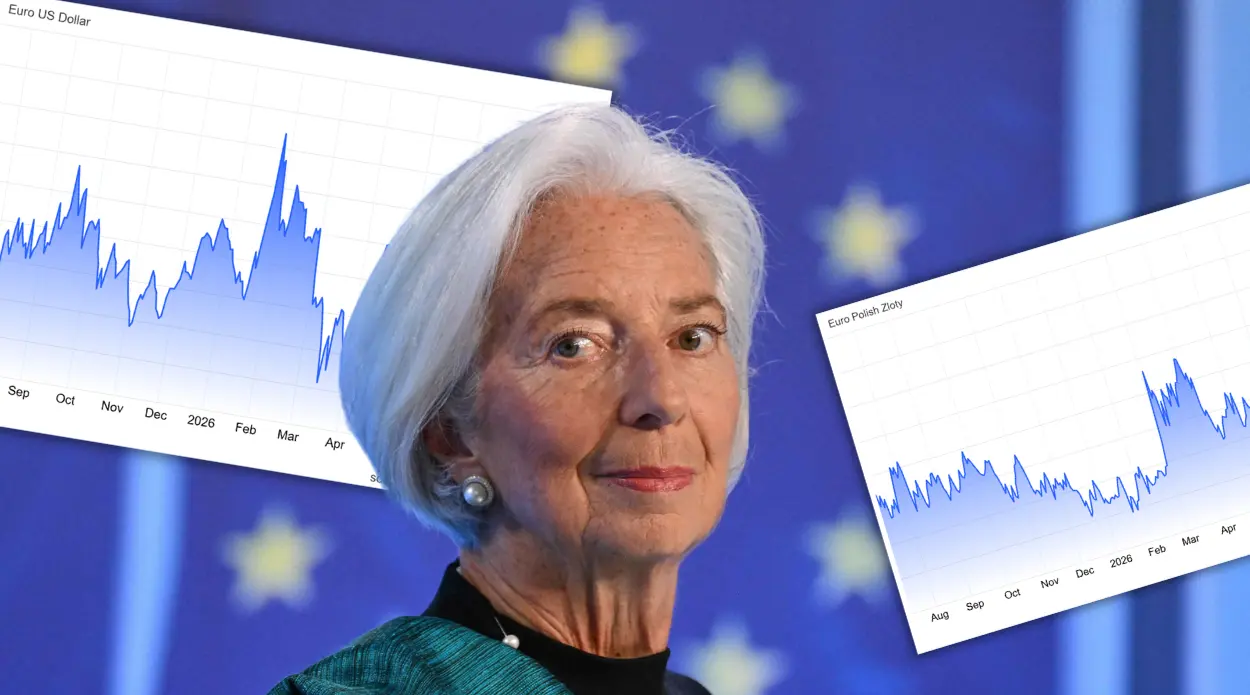
The evening shift in market sentiment negatively affected the EURUSD valuation. The pair reversed from daily highs (1.1755) closing Thursday quotes near session lows (1.1730 – a 0.2% drop). The day, however, saw flat trading in EURCHF and EURGBP.
A slightly higher volatility accompanied recent speculation about yen interventions. Even then, the range of fluctuations stayed within 0.6%. The opening of Friday trading in Europe slightly supports EURUSD (move toward 1.1740).
Overall, however, we maintain our week‑long view that current geopolitical impulses are mainly compensated by the debt‑instrument market. FX remains relatively insensitive to external factors, and we will likely stay in that regime for the next few days.
CEE FX held good sentiment
In contrast to base‑market signals, the region’s currencies performed surprisingly well until yesterday’s session ended. Despite rising concerns about the Middle East, the forint, sensitive to global risk perception, retained most of the territory gained in the first part of the session and appreciated against the euro by 0.45%.
The Czech koruna also appreciated slightly.
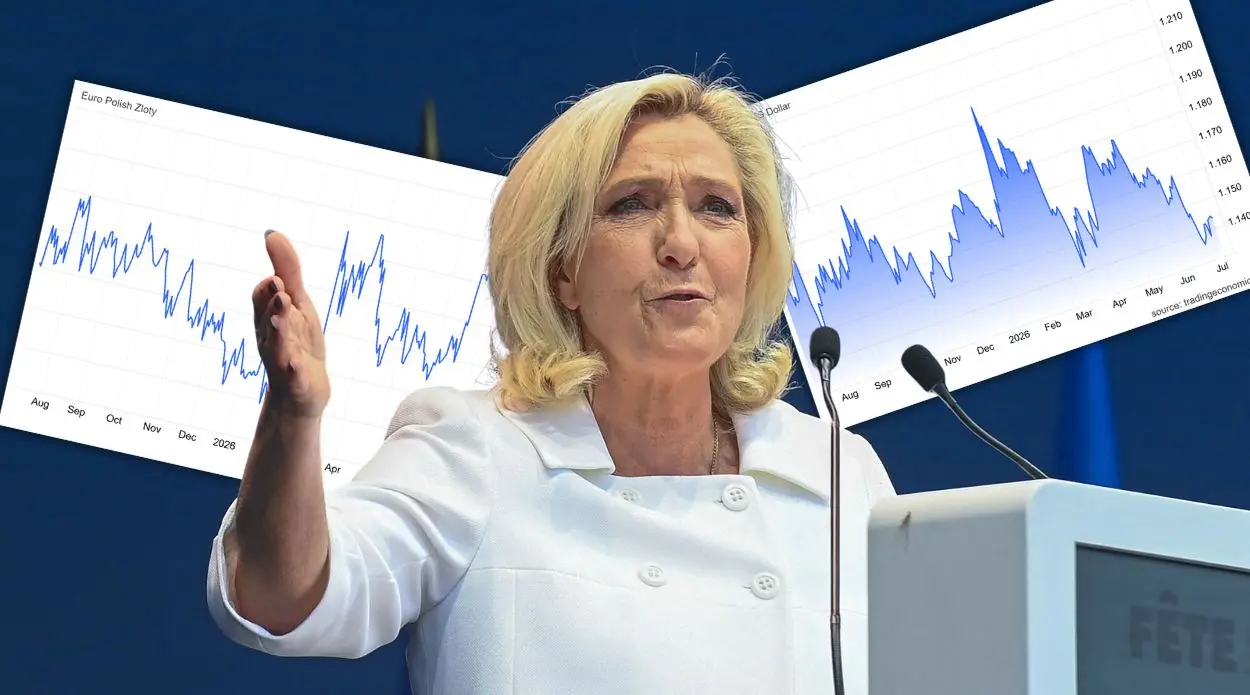
This piece did not quite beat the zloty, but keeping EURPLN near 4.23, despite negative Gulf impulses, can also be seen as relative strength. The start of today’s session does not bring a breakthrough. We still assume that current conditions do not allow EURPLN to move toward 4.20.
Therefore, the baseline scenario for the pair remains trading in the 4.23‑4.25 range.