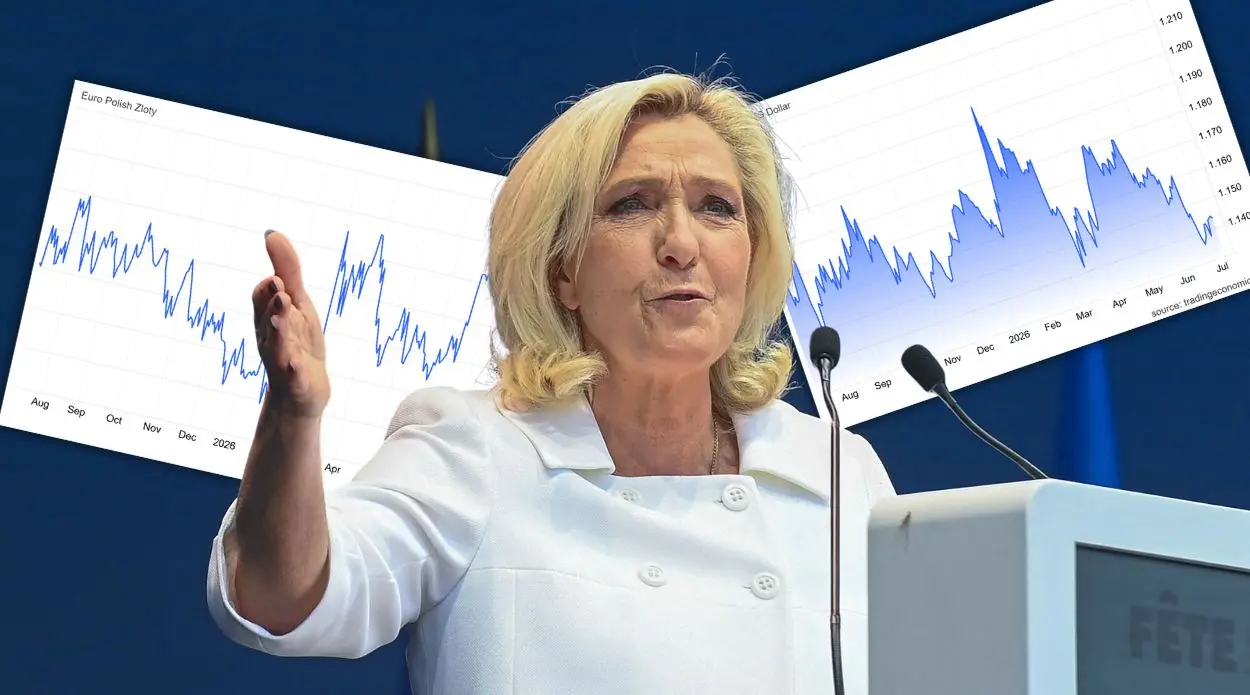
Only at the beginning of Thursday's trading, news of further military clashes between the US and Iran dampened global risk appetite, putting pressure on the PLN and temporarily pulling the EURUSD below 1.16.
EURPLN stayed above local lows
In the second part of the session, especially in its American portion, sentiment clearly improved. The main reason was media reports that US and Iranian negotiators had reached an agreement on a 60‑day memorandum covering the extension of the ceasefire and the start of nuclear negotiations. A key element of the document is a clause on uninterrupted navigation through the Strait of Hormuz and the US commitment to gradually lift the blockade of Iranian ports.
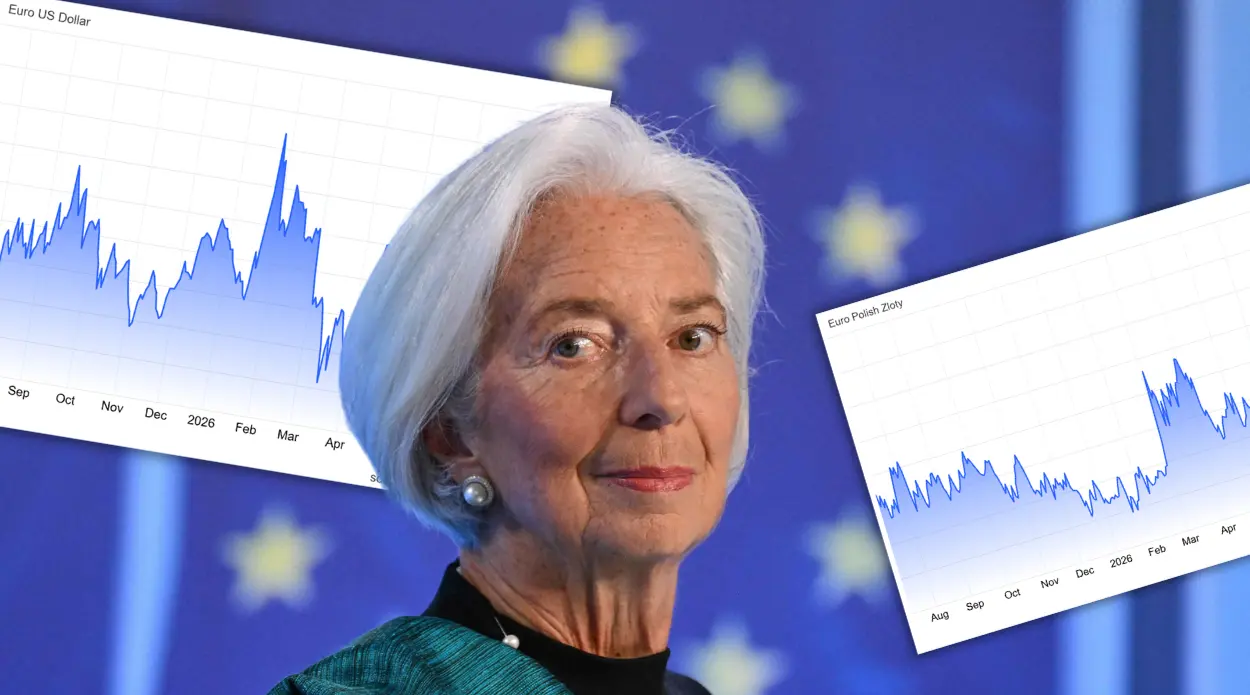
According to the media, the deal awaits approval from D. Trump, who wants a few days to consider it. The improvement in global sentiment led to an appreciation of the zloty and a global weakening of the dollar, although no significant changes have yet occurred in the discussed pair trends: EURPLN stayed above local lows from May, USDPLN held at support 3.6250, and EURUSD did not break the nearest resistance at 1.1670.
EURPLN toward the 4.22‑4.1950 zone, and USDPLN at least toward 3.56
Euro rate – forecast for the coming days
On Friday, markets will await confirmation of the above reports from US and Iranian representatives, and if they occur, it could support the currencies of net oil-importing countries and increase pressure on the dollar.
In our view, a positive finalization of the US‑Iran negotiations could, in a few days, further reduce the geopolitical discount in euro and zloty quotes, supporting a shift of EURPLN toward the 4.22‑4.1950 zone, and USDPLN at least toward 3.56.

On the base markets, EURUSD could move toward 1.18 in such an environment, where local maxima from April and May are located.
On Thursday, domestic SPW yields moved in the range 0/+3 basis points. In the 10‑year segment, yield remained at 5.79%, while on the base markets, German Bund and US Treasury yields fell to around 2.96% and 4.46% respectively.
The event that attracted market participants’ attention was the release of the latest US PCE inflation data. This measure, preferred by the FOMC over CPI, gives market participants an indication of how likely it is that the Fed will maintain a gentle narrative on inflation threats.
The Thursday reading was favorable, suggesting that inflationary pressure remains in line with market expectations on an annual basis, and on a monthly basis it turned out to be lower than earlier investor concerns. This helped stabilize yields on the base markets.
Front‑line significance still plays a role, however, the dynamics of the conflict in the Persian Gulf. Another exchange of fire between the US and Iran disrupted the negotiation process, raising investor doubts about the likelihood of a quick peace agreement.
Brent below $100 per barrel
The Brent oil price reacted gently to repeated military incidents and remained below $100 per barrel. Low activity on the base markets, reflecting investors’ waiting stance and limited movement in the oil market, also favored the stabilization of the Polish SPW market.
After a sharp drop in yields at the beginning of the week, the normalization process in the 10‑year sector stalled in the 5.75–5.80% range. The situation clearly changed at the end of the European session after reports indicating a possible peace agreement between the US and Iran.
We assume that if the reports of a breakthrough in US‑Iran negotiations prove true, and the agreement reported by the media proves durable, it will favor further normalization of yields on the base markets and the domestic SPW market.