A strong dollar does not favor the zloty
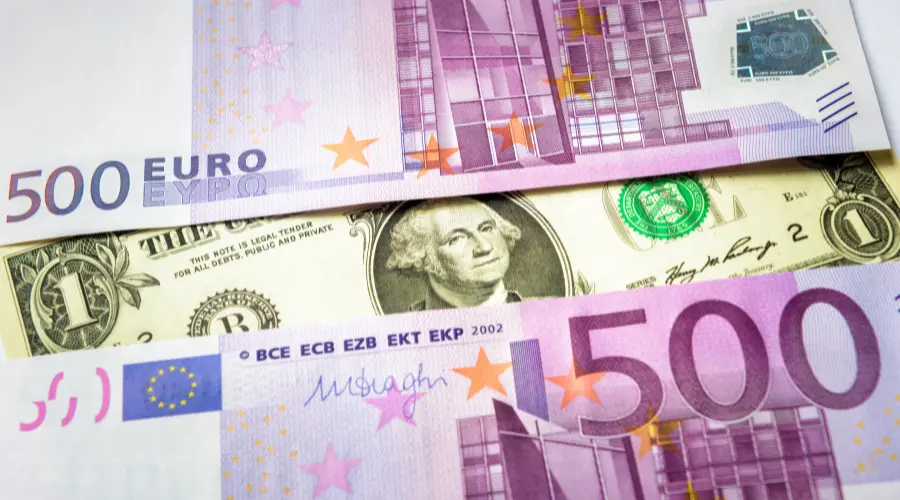
The dollar serves as the world's primary reserve currency and the so‑called safe haven. Its strengthening often signals investors fleeing risk, followed by a sell‑off of assets from countries classified as emerging markets. Poland is included in this group.
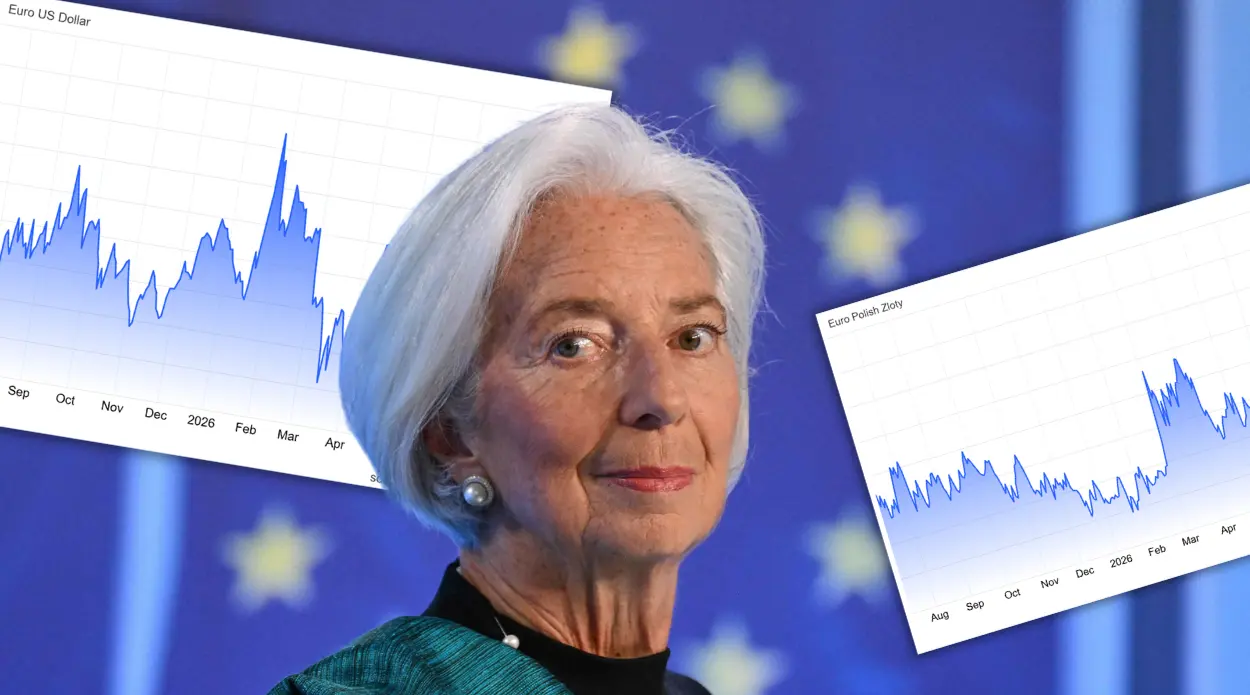
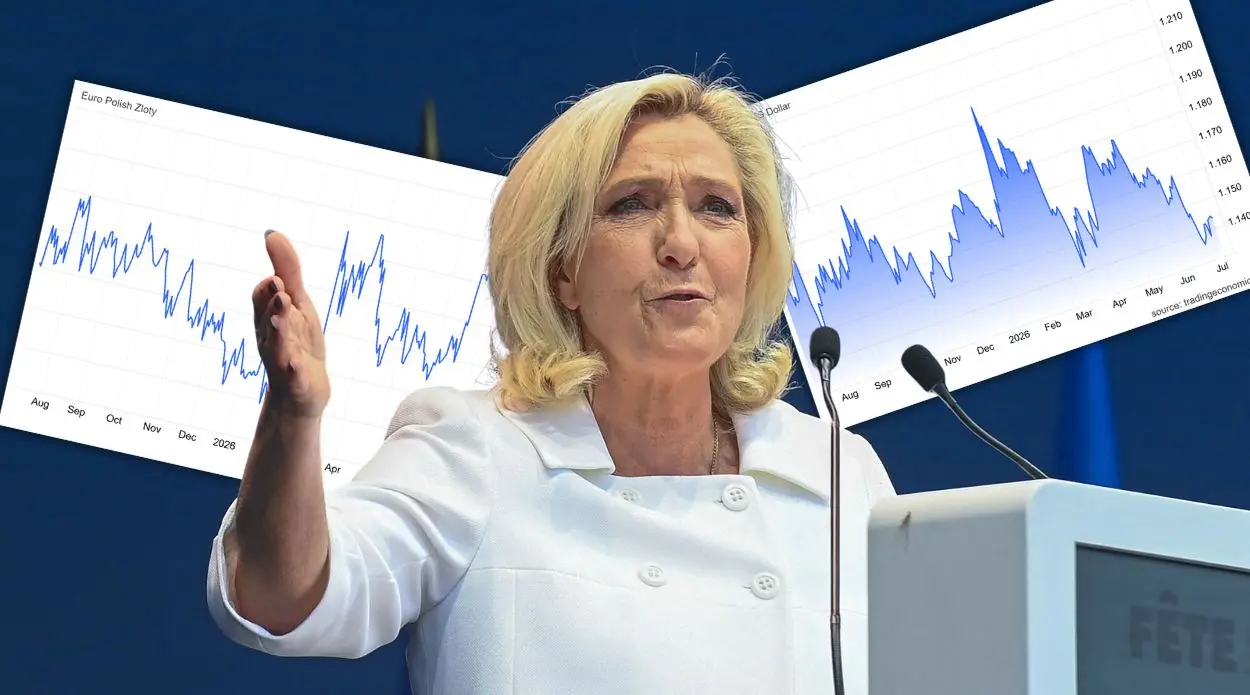
Moreover, the zloty is strongly correlated with the euro. A weakening of the euro against the dollar usually means an even stronger depreciation of the zloty.
Where does the dollar’s strength come from?
The dollar’s strength largely stems from rising expectations of U.S. interest rate hikes. Yesterday’s FOMC meeting, despite no change in rates, turned out to be quite unequivocally hawkish. This suggests that its tone may imply a tighter monetary policy than previously assumed, which could be implemented through rate hikes.
Dollar rate – forecast for the coming days
A Fed rate hike before year‑end is currently fully priced by the markets. This means such a move is the baseline scenario and should be reflected in the pricing of other assets. If rhetoric changes and valuations fall, the dollar could come under selling pressure.
If valuations remain unchanged until December and no hike occurs then, the U.S. currency will likely weaken as well. Understanding this market status quo is crucial for grasping currency market movements.
Why does the market expect U.S. rate hikes?
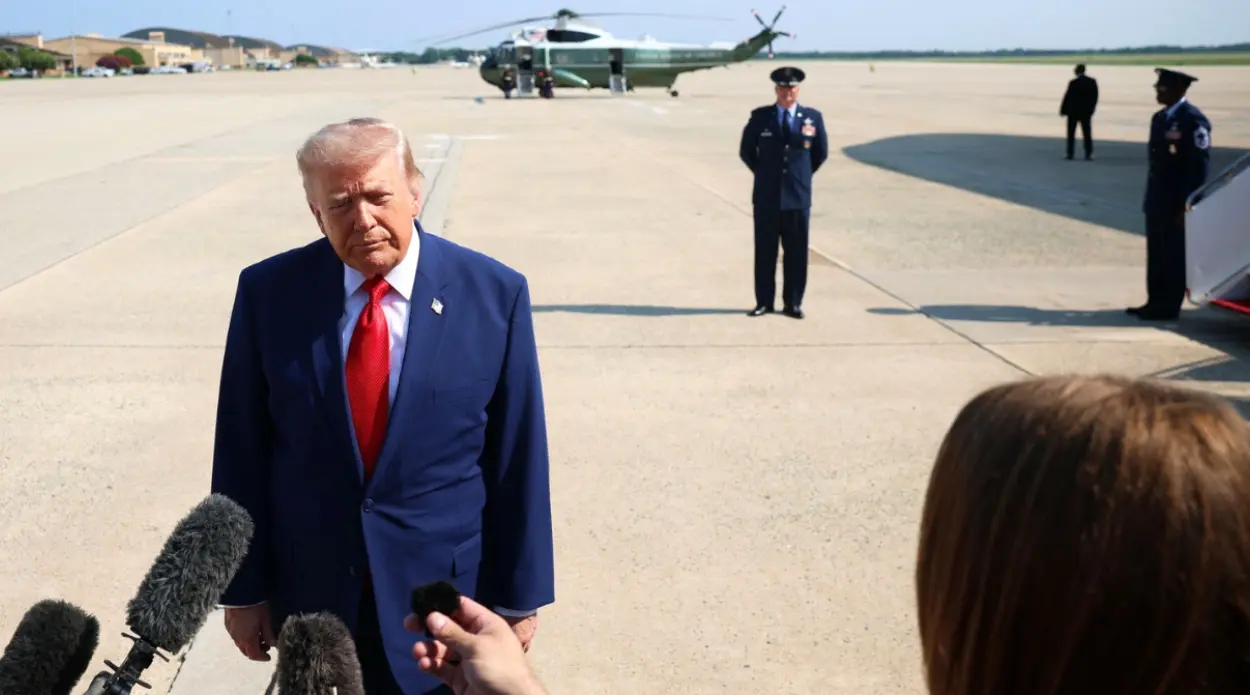
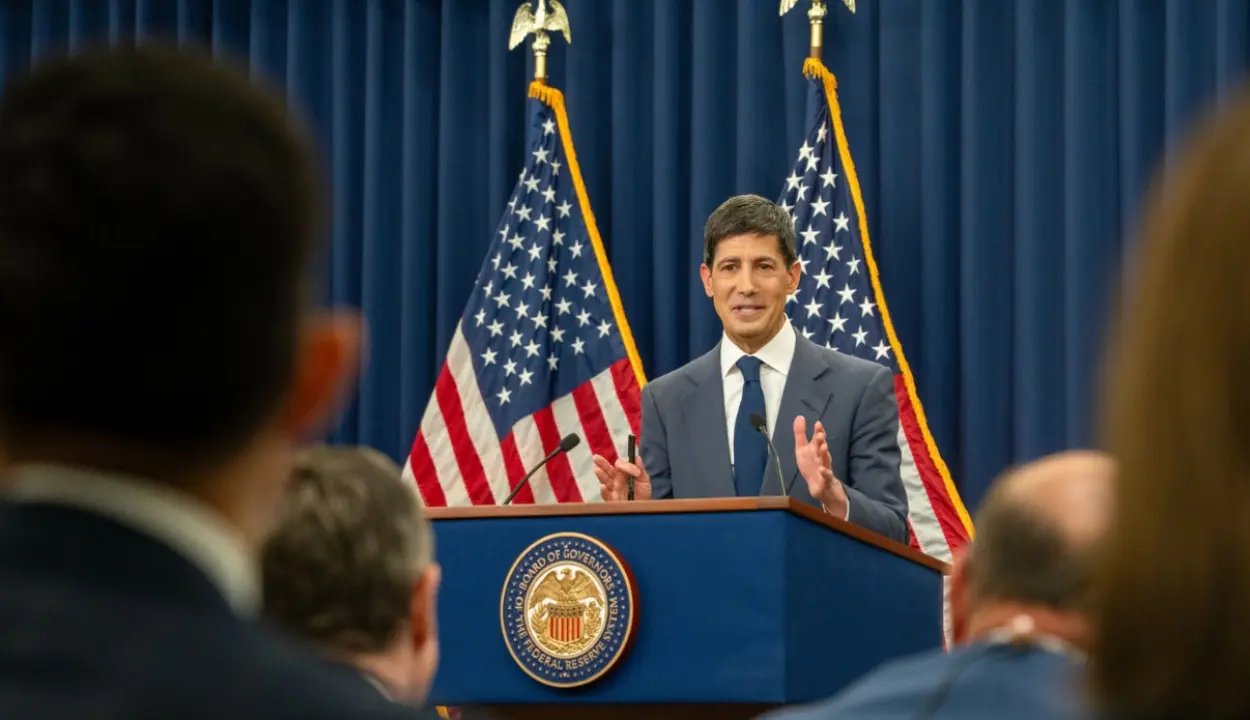
Yesterday’s FOMC meeting was the first led by the new chair – Kevin Warsh. He begins a four‑year term as Fed president. He will face a difficult task. Many expect he will try to appease the president by adopting a dovish stance (i.e., pursuing lower rates). At the same time he must convince the rest of the Committee. If markets sense a disconnect between what Warsh says and what the other decision‑makers think, investor confidence could quickly erode.
The conference, which he led yesterday, was full of signals suggesting Warsh would pursue lower rates, which in itself should weaken the dollar. Here the issue of the aforementioned disconnect arises – for markets it is far more important how the entire Committee views the current situation (Warsh has only one vote out of 12). This shows great caution.
The chart above – though it may look modest – tells us a lot about the expectations of individual decision‑makers regarding future rate paths. Each Committee member (except Warsh, who declined to disclose his views in this context) presented his expectations, reflected by dots. Nine decision‑makers expect a hike before year‑end, six of whom are quite certain.
The change from March is stark, as seen in the chart above. It is no wonder the market has re‑priced hawkishly (increased chances of rate hikes). By the way, U.S. bond yields are also rising. Higher returns on assets globally regarded as one of the safest investment forms weaken alternatives, such as precious metals (gold and silver).