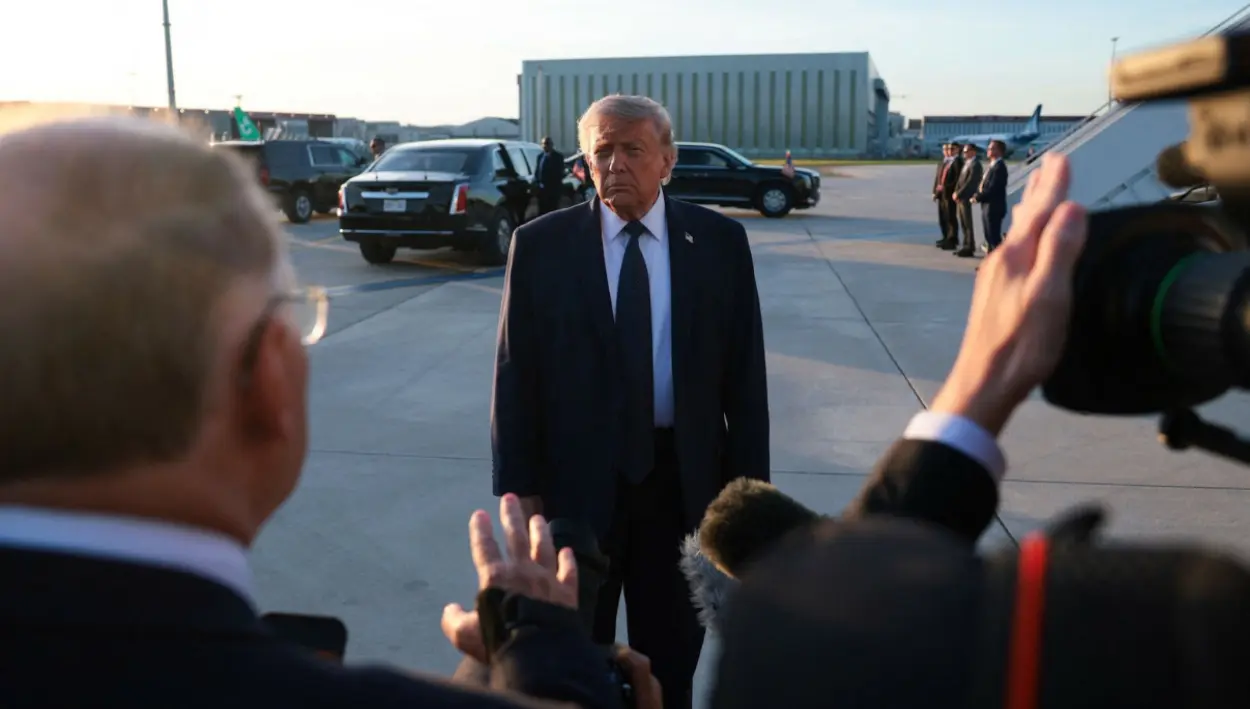
Dollar retreat after "assurances" from Trump
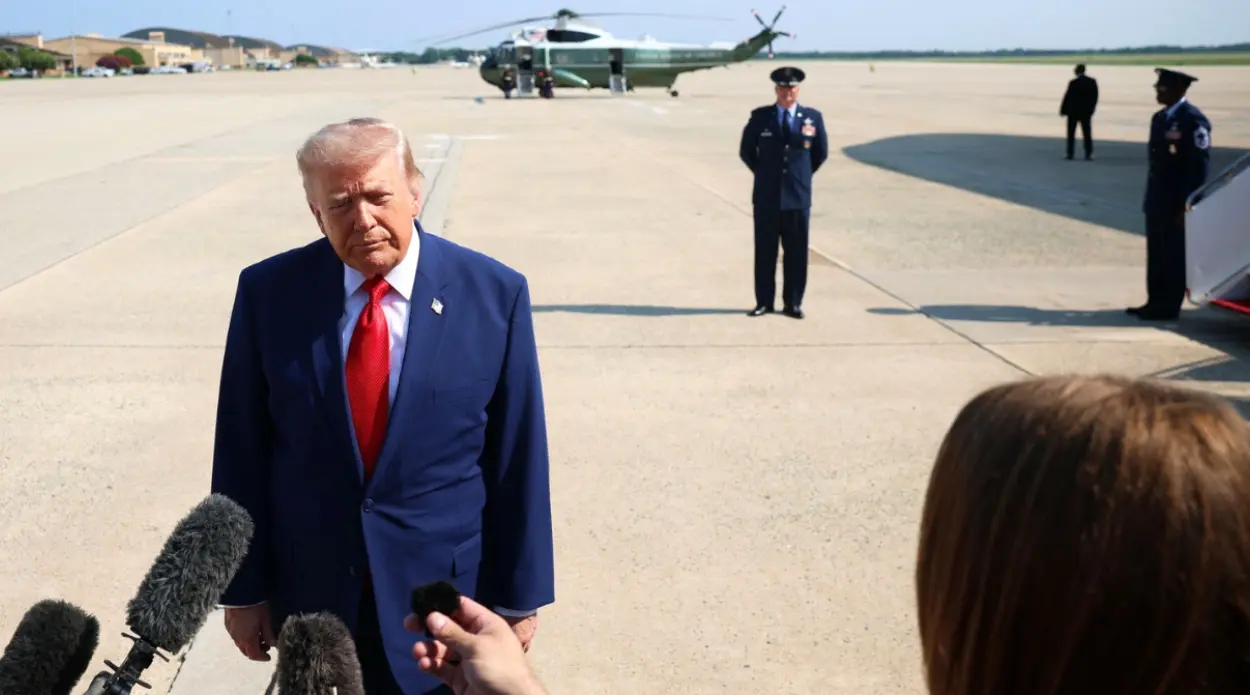
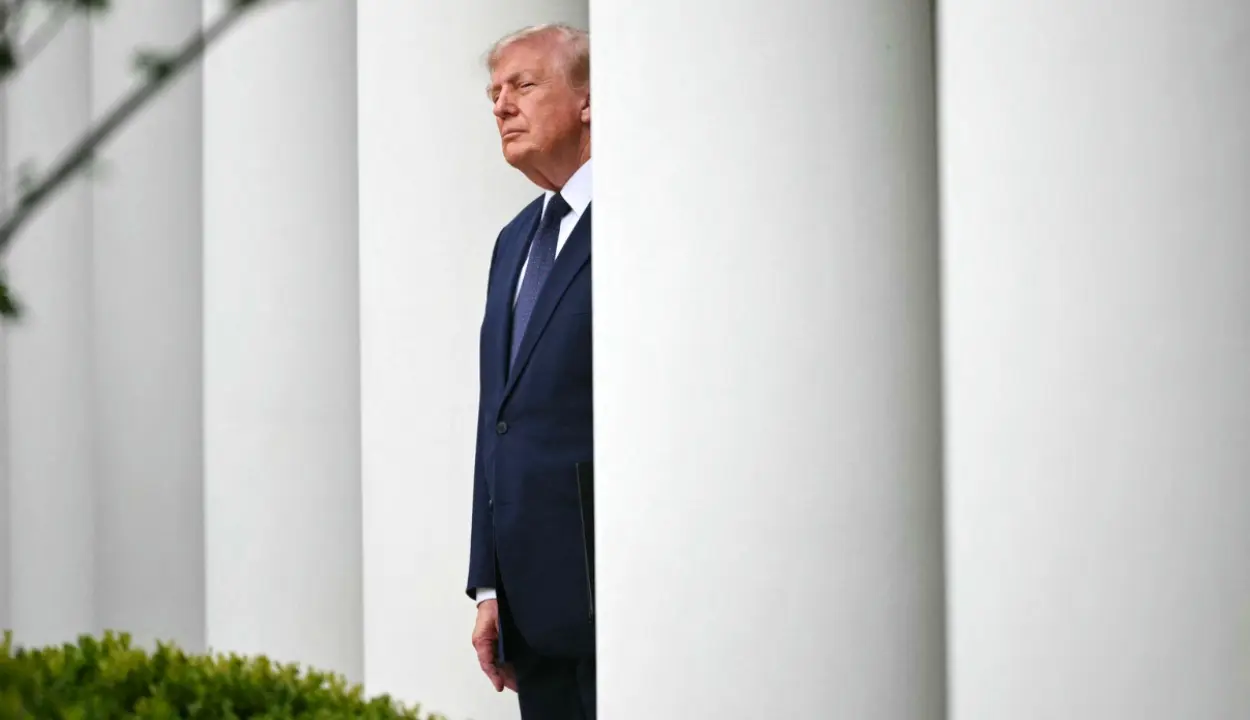
However, it is difficult to assess whether negotiations are truly ongoing – the U.S. President’s words sounded more like an attempt to "extinguish the fire," but nothing more. Meanwhile, the Iranian Ministry of Foreign Affairs made it clear that the ceasefire also applies to U.S. allies, and thus to Israeli actions on all fronts.
Lebanese media report that Israeli forces have halted operations (including a planned attack on the suburbs of Beirut), but have not withdrawn from their positions. In the peace process with Iran, we therefore still have a "state of suspension." Oil prices, which spiked yesterday afternoon after reports of Tehran terminating negotiations, erased part of that move – WTI futures fell on Tuesday morning to around 91 USD.
Markets, however, show a return of positive sentiment – stocks, oil – which translates into a slight weakening of the dollar across the market. Yesterday’s PMI and ISM data for U.S. industry came out solid (PMI 55.1 points, ISM 54.0 points), confirming the relative resilience of the U.S. economy to events in the Middle East.
The market now awaits the services PMI/ISM and Labor Department data. Today’s calendar will only provide JOLTS data at 4:00 p.m.
The early currency market structure indicates a risk‑on dominance, reflecting the performance of the Antipodes and Scandinavian crowns.
Minor movement noted for the euro and pound.
EURUSD – return to consolidation – technical analysis
EURUSD prices returned to consolidation after yesterday’s support at 1.16 following Trump’s comments that negotiations with Iran are still underway.
The market will now focus on expectations regarding ECB/FED policies in the context of scheduled events – meetings on June 11 and 16 – and falling macro data.
Yesterday’s PMI/ISM for U.S. industry seem to fit the earlier narrative of the relative strength of the U.S. economy, which should limit scenarios of excessive dollar weakening.

Daily EURUSD chart