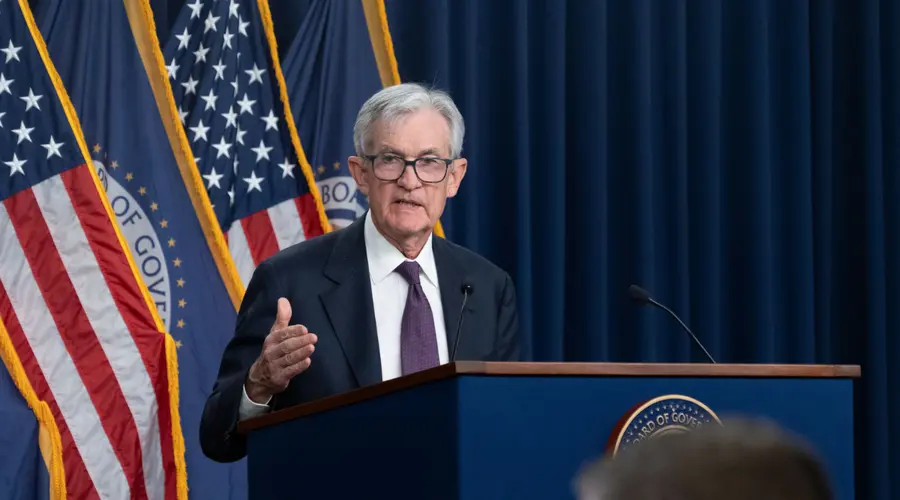
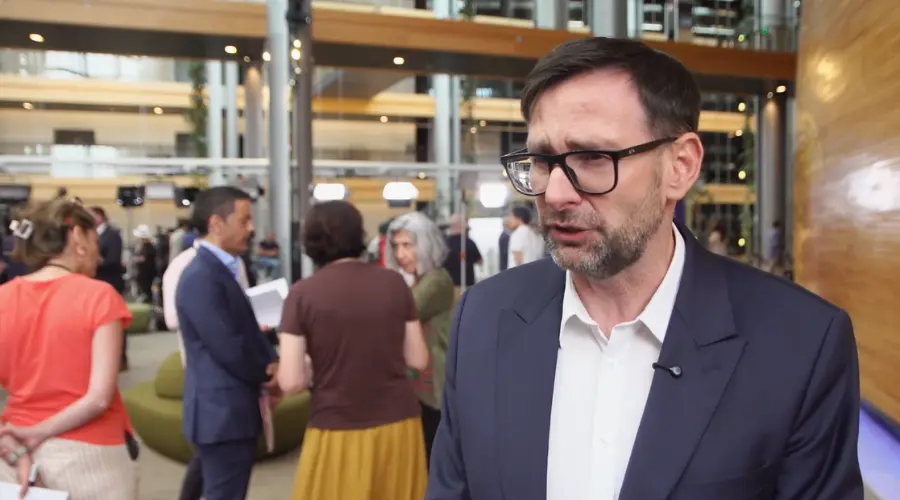
Kevin Warsh is not a typical banker who analyzes only dusty charts from the past.
Kevin Warsh and technological optimism worth billions of USD
The official looks to the future with the enthusiasm of a visionary from Silicon Valley. As a figure who may soon dictate conditions in global financial markets, he pushes a bold thesis.
Read also: The dollar fell 20 cents. Concerns returned, who is the new Fed president?
He claims that artificial intelligence is not just another tech novelty, but a catalyst for the greatest wave of productivity growth in our times. This approach delights Wall Street, where tech indices hit records and investors pump billions of USD into infrastructure.
Warsh’s logic is simple. If AI allows firms to produce more and faster at drastically lower costs, then inflationary pressure will simply evaporate under supply pressure.
In such a scenario, the Fed could keep interest rates at much lower levels, stimulating the economy without fear of a sharp price rise. It’s a very tempting vision for markets where Big Tech valuations reach new ATHs.
Nevertheless, skepticism is growing in Washington’s back rooms. Is basing the foundations of the global economy on technology that still struggles with the hallucination problem visionary? Or is it more short‑sighted bravado?
To understand the current game between the Fed and Washington, one must go back to the 1990s. Back then, the legendary Alan Greenspan led the Fed, seeing the emerging internet revolution. Despite hard evidence in statistics, Greenspan believed in a digital productivity jump and held back rate hikes, allowing the U.S. economy to grow.
It was a very risky strategy, based more on intuition and faith in the emerging tech companies than on traditional Excel spreadsheets. History shows that Greenspan was absolutely right, and his intuition did not fail him.
James Bullard, head of the Fed branch in St. Louis from 2008‑2023, recalls that Greenspan spoke about productivity in a way that many simply didn’t understand. The internet in the 90s truly changed the rules of the game.
Today Warsh wants to repeat that maneuver with AI, but both Bullard and Dennis Lockhart (Fed head in Atlanta 2007‑2017) and Vincent Reinhart (senior Fed official 1999‑2007) warn that analogies can be treacherous. Greenspan won because the internet instantly optimized both logistics and banking.

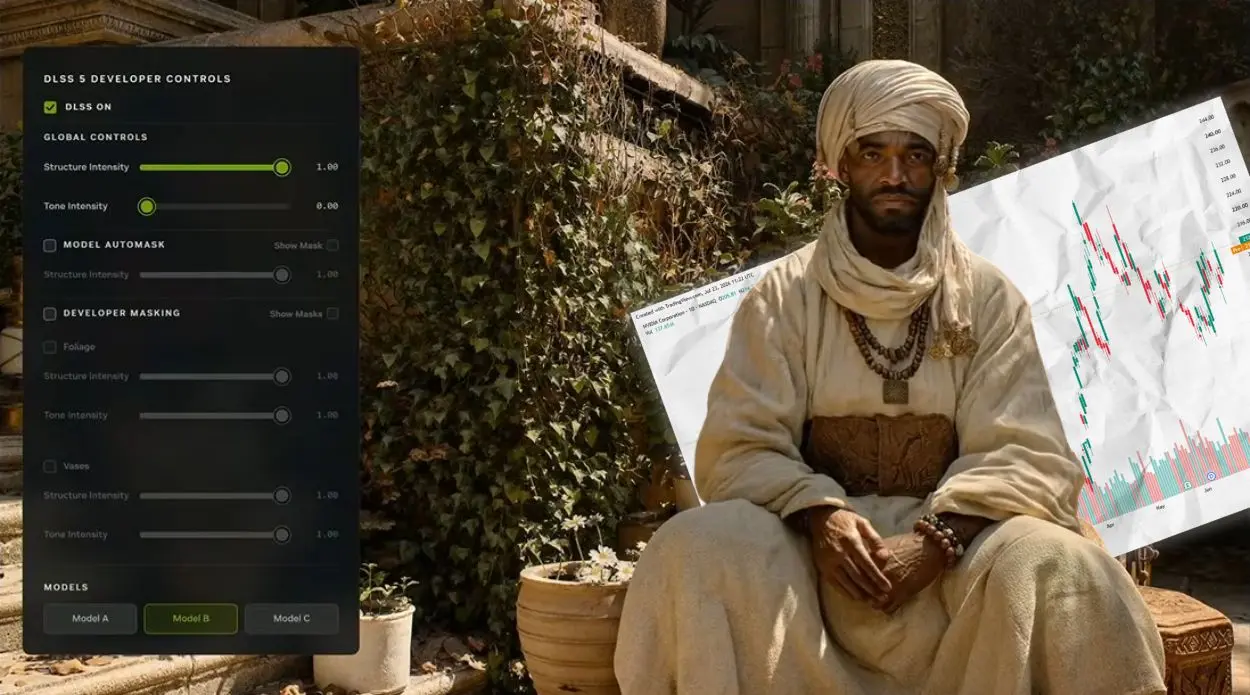
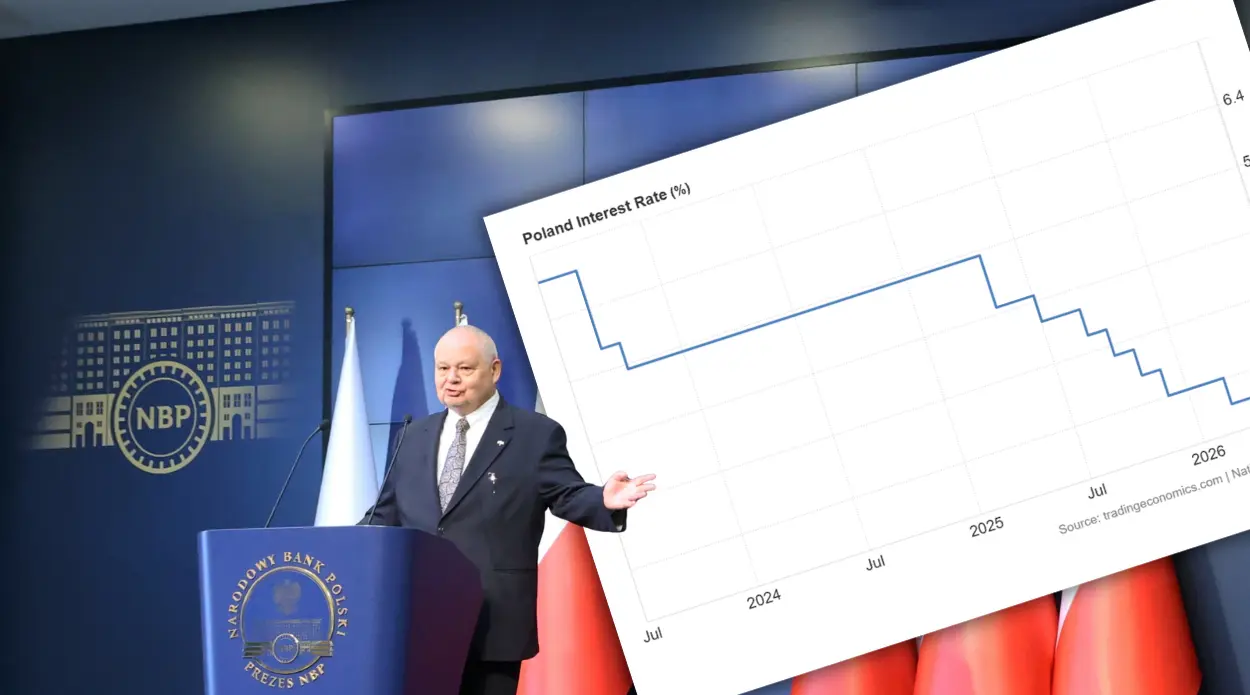
Source: Trading Economics.
See also: Trump in Beijing. Nvidia shares may not escape the rally? The giant’s CEO counts on a US‑China agreement
Risk of an under‑jaw inflation hit
The biggest fear for experienced bankers is a scenario where the Fed cuts rates, waiting for the “AI miracle” that does not materialize in time.
If Warsh loosens policy too aggressively, and efficiency does not rise, excess money in the market will launch inflation into the stratosphere, like the levels from 2021.
Current geopolitical tensions around Iran, which continuously raise oil prices, create an environment where such a mistake would be catastrophic, both for American savings and the purchasing power of the USD.
If Warsh errs, the costs of those mistakes will fall on ordinary consumers, not on Silicon Valley algorithm creators, and that is what the game is about today.
See also: Return of the silicon king? Deal with Apple, new processors and huge Intel stock growth
Source: PB.