Normalization of industrial production growth
A key factor contributing to the reduction in annual industrial production dynamics between March and April was a statistical effect due to an unfavorable difference in the number of working days (in March 2026 the number was one more than in March 2025, while in April 2026 the number of working days was the same as in April 2025). After removing seasonal factors, industrial production fell in April by 2.6% month‑over‑month.
Increased activity in construction supporting industry
Due to a significant downward revision (almost 2 percentage points) of March production dynamics, without simultaneous publication of its detailed revised structure, and the influence of calendar effects, drawing conclusions about industrial trends is difficult. Based on available data, however, it can be stated that a key factor limiting the slowdown in April was growth in sectors related to construction, including production of non‑metallic mineral products and metal products, aided by a revival of activity in this sector (see below).
Additionally, note that in April, as in March, a high growth rate of supply goods production persisted, likely linked to inventory accumulation by firms due to the prolonged conflict in the Middle East.
Today’s published PMI results for the euro area and Germany signal that prospects for Polish industry in May have deteriorated. Of particular importance for domestic exporters is the clear weakening of business conditions in German manufacturing, where current production stagnated and new orders fell for the first time in four months.
Continued revival in construction
Construction and assembly production rose in April by 4.5% year‑over‑year compared with a 0.6% increase in March, significantly above our forecast equal to market consensus (1.3%). Note that the increase in dynamics occurred despite the aforementioned unfavorable calendar effects. After removing seasonal factors, construction and assembly production increased in April by 3.4% month‑over‑month following a 6.2% rise in March.
Thus, for the second month in a row we observe an improvement in construction after a period of reduced activity in January and February due to a harsh winter. The acceleration of construction and assembly production covered a wide range. Dynamics increased in all three main categories: "specialized construction work" (4.4% year‑over‑year in April versus 0.7% in March), "construction of civil engineering and water works" (3.9% versus -0.2%) and "building erection" (5.2% versus 1.3%).
We expect construction and assembly production to continue its upward trend in the coming months (see MAKROmap on 27.04.2026), supported by increasing EU fund absorption, whose peak use will occur in 2026. Support for this scenario is the April rise in GUS‑surveyed construction firms’ expectations of the domestic order portfolio to the highest level since February 2024.
Slowing wage growth, stabilizing employment decline
According to today’s published GUS data, employment dynamics in the enterprise sector did not change in April compared with March and amounted to -0.9% year‑over‑year, aligning with our forecast equal to market expectations. This result is consistent with our assessment that the employment decline in the enterprise sector since Q4 2023 is largely due to retirees reaching retirement age.
Nominal wage dynamics in enterprises employing more than 9 people fell sharply to 5.4% in April from 6.6% year‑over‑year in March, clearly below market consensus (6.1%) and our forecast (6.0%).
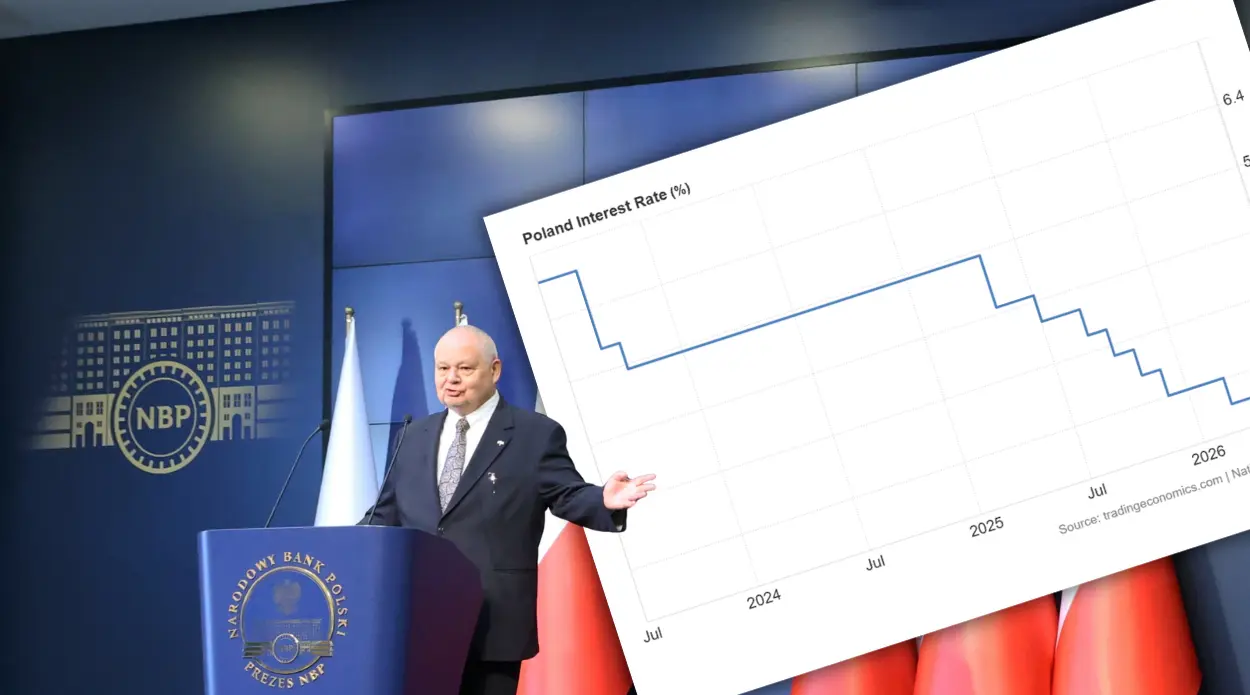
Slower wage growth or declines were observed in 10 of 11 categories reported by GUS. Wage growth pace was repeatedly highlighted by the RPP as an important factor considered in its decisions. Thus its clear slowdown in April reduces pressure to tighten monetary policy and supports our scenario assuming no interest rate changes at least until the end of 2027.
Due to rising inflation (see MAKROpulse on 15.05.2026), real wage dynamics fell to 2.1% year‑over‑year in April from 3.9% in March. Consequently, real wage fund dynamics decreased to 1.1% year‑over‑year in April versus 2.6% in March and were lowest since July 2023. This supports our forecast assuming a slowdown in consumption growth from 3.8% in Q1 to 2.5% in Q2.
Middle East conflict remains the main risk factor for GDP growth
Today’s April data on industrial production, construction and assembly production, wages and employment in the enterprise sector support our forecast of average annual GDP growth in 2026 (3.3%). At the same time, the ongoing conflict in the Middle East remains an important risk factor for economic growth in subsequent quarters.
We believe that the overall tone of today’s data from the Polish economy is slightly negative for the zloty and the yield of Polish bonds.