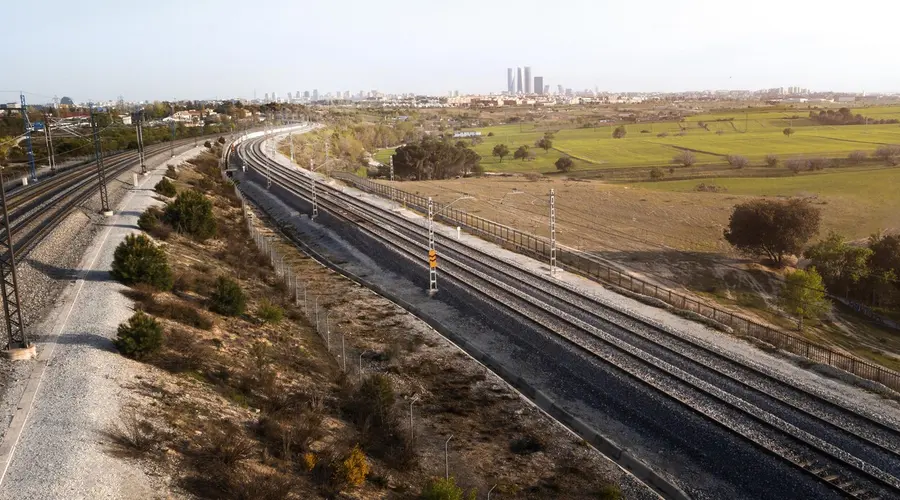
The scale of public spending planned in Poland is enormous. The investments that are planned include, among others, defense, for which more than 200 billion PLN will be spent this year alone, i.e. 4.81% of GDP. In the coming years spending will be even higher. Not only in this sector. It also concerns financing the construction of the Polish Port, high-speed rail lines, and energy investments, including the modernization of transmission networks and the construction of nuclear reactors. According to the Ministry of State Assets, Poland will spend about 1 trillion PLN on energy in the coming years.
It is worth noting that in 2026 the state budget will be 918.9 billion PLN, revenues 657.2 billion PLN, and the deficit will not exceed 271.7 billion PLN.
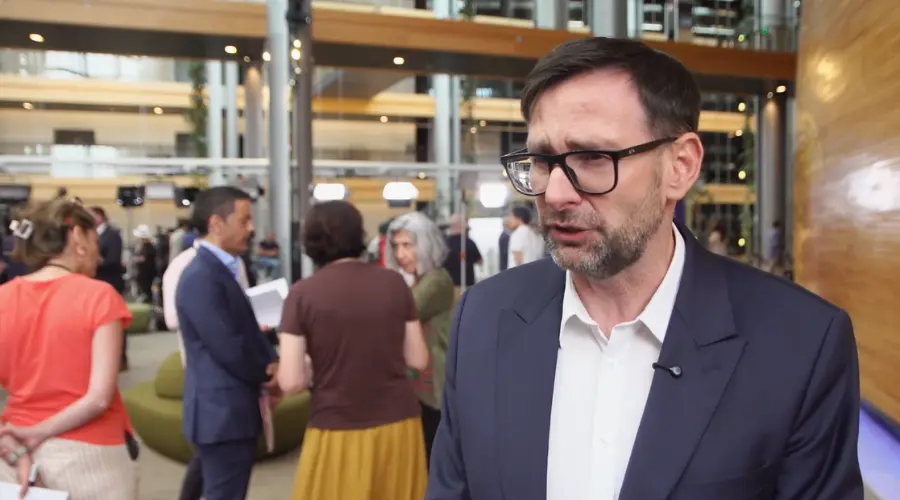
"We are currently facing a program of very ambitious investments and we must ask ourselves where the financing for all of this comes from. We are an economy that has money – that is already 1 trillion dollars, i.e. 4 trillion PLN. It is crucial to finance investments, tangible capital that will serve future generations, and not consumption that future generations will have to repay," says Dr. Ireneusz Dąbrowski, professor at SGH, chairman of the Program Board of the SET Foundation and member of the Monetary Policy Council, to the Newseria agency.
Poland must search for money, but where?
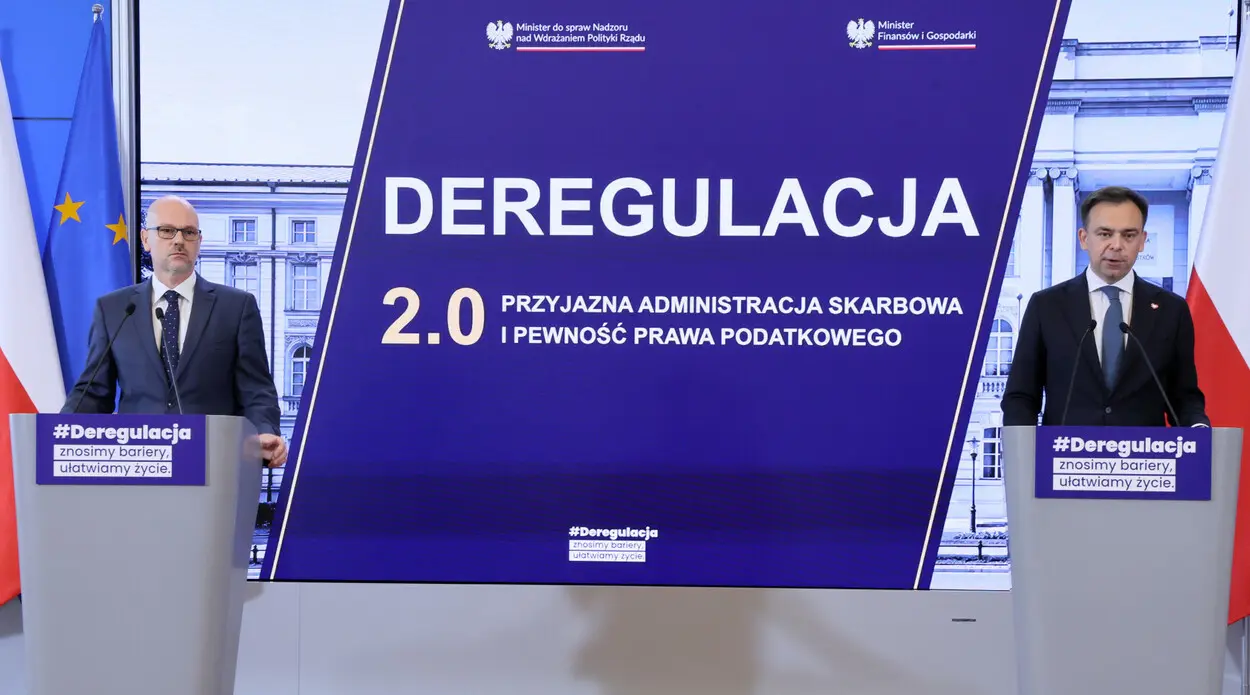
Huge spending associated with investments in the coming years means the government must find money. And that in the state budget, not by taking on more loans. One source of increasing revenue for the budget would be reducing the shadow economy, which, according to the Institute of Forecasts and Economic Analysis report, amounts to 18.1% of GDP. Although it is expected to drop this year to 17.7%, it is still a large share that prevents a huge pool of money from reaching the budget. The government is working to change this, but so far spectacular results are hard to see. Some measures may even work to its disadvantage – experts note. It involves increasing the cost of running a business, which such decisions as raising ZUS contributions lead to.
"The number of registered companies is gradually decreasing. Many business owners are choosing to suspend operations. A large part is reducing employment in an attempt to find savings. Although this dynamic slowed in the first half of this year, I think it will start to accelerate again. Any changes that introduce higher costs for business owners can lead to layoffs, bankruptcies, and other events that are detrimental to the economy. I believe this may also contribute to the growth of the shadow economy, which benefits no one," noted Filip Kułanowski, business advisor, vice president of the Świętokrzyskie Chamber of Entrepreneurs and Employers, in an interview with FXMAG.
In the public sphere voices appear that the government will have to make very unpopular decisions to improve the state of public finances. Among them raising the retirement age or eliminating or at least limiting some social benefits, such as 800+. It should be remembered that in a little over a year parliamentary elections will take place in Poland, so one should not expect such a decision to be made before the end of the current parliament’s term. Introducing such changes could prove to be a “suicidal” step for the ruling coalition.
"We are at a critical stage regarding the state of public finances. It is not yet dramatic, but we are approaching that limit. If we do not start a rational program now, we may fall into a dangerous spiral in the future," evaluates Prof. Ireneusz Dąbrowski.
As the expert adds, at the current stage, given the state of public finances, there is no need to cut spending that has already emerged. However, the introduction of any new spending must be very prudent and must have an investment character, not a consumption one.
See also: Is the “Clean Air” program a failure for Paulina Hennig-Kloska? Interest in replacing the stove is falling