Unclear terms of the Doha meeting
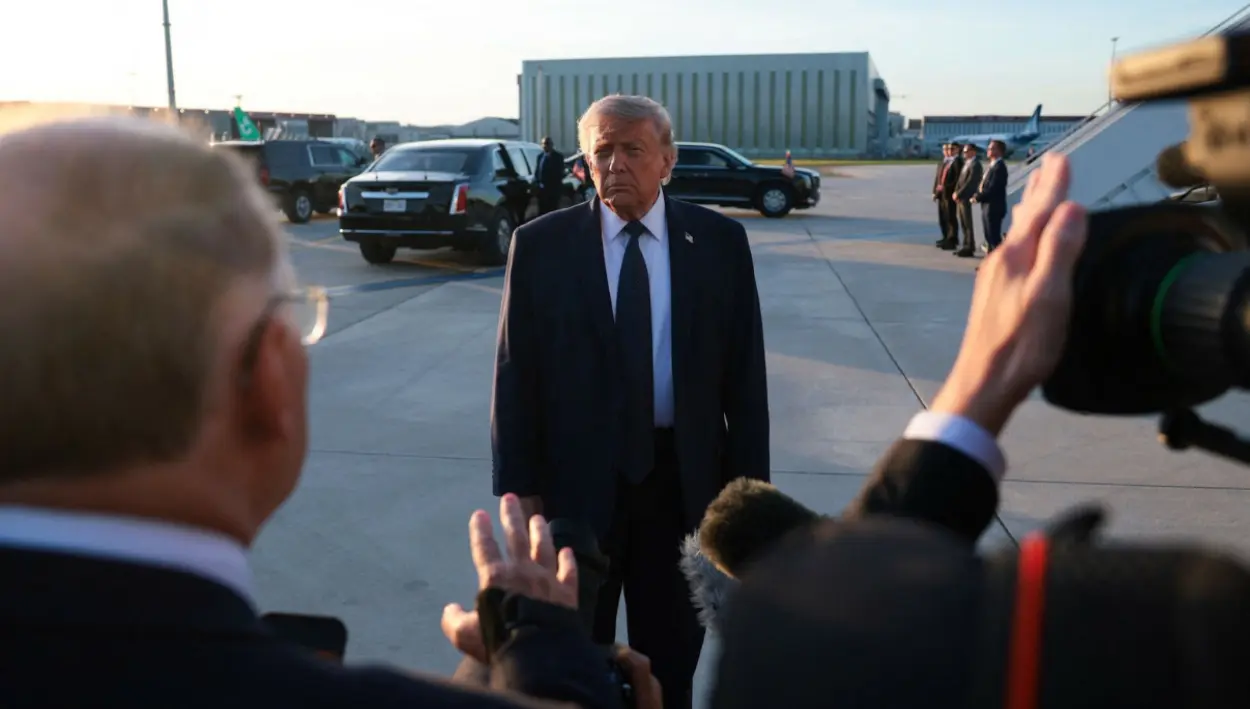
At the same time, according to remarks by White House spokesperson K. Leavitt to Fox News, the American delegation traveling to the capital of Qatar will include presidential envoys – Steve Witkoff and Jared Kushner. Iran, in turn, has declared that no negotiations with the United States are planned at any level in the coming days.
According to Iranian Foreign Ministry spokesperson Esmail Baghaei, Tehran’s current priority is the implementation of the memorandum, not negotiating another phase of the agreement. Baghaei also suggested that the visit of the Iranian experts’ delegation to Doha will concern actions aimed at freeing frozen assets. However, it is not ruled out that the most likely scenario is the one presented by the NYT.
Iran’s Deputy Foreign Minister Kazem Gharibabadi confirmed on Monday that the Iranian expert delegation will stay in Doha for the next two days (NYT information via Iranian state TV). He emphasized, however, that the delegation’s task is not to meet with US officials, but to conduct – through a Qatari mediator – actions to fulfill US obligations arising from the memorandum of understanding.
This would mean a return to the format of talks via intermediaries (in contrast to what happened in Switzerland). It seems that the market is also leaning toward a scenario that at this moment foresees clarifying the memorandum issues (access to Iran’s frozen assets), and also takes into account Iranian divisions regarding the way the agreement with the US is implemented and the scope of freedom negotiators should have.
Small moves on the base FI
Weekend events did not allow the strengthening of US Treasuries to continue. On the other hand, the prospect of talks in Doha reduced the potential for US paper profitability to rise. The market was also waiting for macro data accumulation in the second half of the week, which also reduced the likelihood of more abrupt moves. Ultimately, at the main nodes, Treasury yield changes were +3.0 and -1 pb, respectively to 4.10% (2Y), 4.38% (10Y) and 4.86% (30Y). Similarly, the situation on Bunds ended the session at 2.54% (2Y), 2.86% (10Y) and 3.42% (30Y) after changes of +2.0 and 0 pb.
Tuesday’s Asian quotes did not change the UST situation. On the broad market, one could only observe the widening of the Japanese curve and the 30‑year tenor approaching 4% (probably as compensation for risk factors related to the yen’s decline against the dollar toward 40‑year lows).
Stabilization of CEE debt
The beginning of the week was calm for the region’s bonds. Hungarian paper yields were slightly falling on the long end, and Czech ones marginally rising. Little happened on the domestic front as well. The PLN IRS curve was practically flat (1‑2 pb up). The ASW margin was symbolically lowered by 1 pb to 98 pb on the 10Y. Ultimately, at the main nodes, SPW yield changes were -2, -2 and +1 pb, respectively to 4.10% (2Y), 4.74% (5Y) and 5.29% (10Y).
Today, the focus for the domestic market should be the preliminary June CPI reading. Our forecasted inflation dynamics align with the Parkiet consensus (2.7% y/y). Its realization should therefore not affect SPW valuation. In the context of global factors, we do not yet see potential to support POLGBs.
The chance of continued oil price declines after weekend events seems limited, and potential talks in Doha do not indicate a breakthrough in resolving regional tensions. As a result, we assume the 10‑year tenor will remain near 5.30%.
EURUSD stable. Yen at historic lows
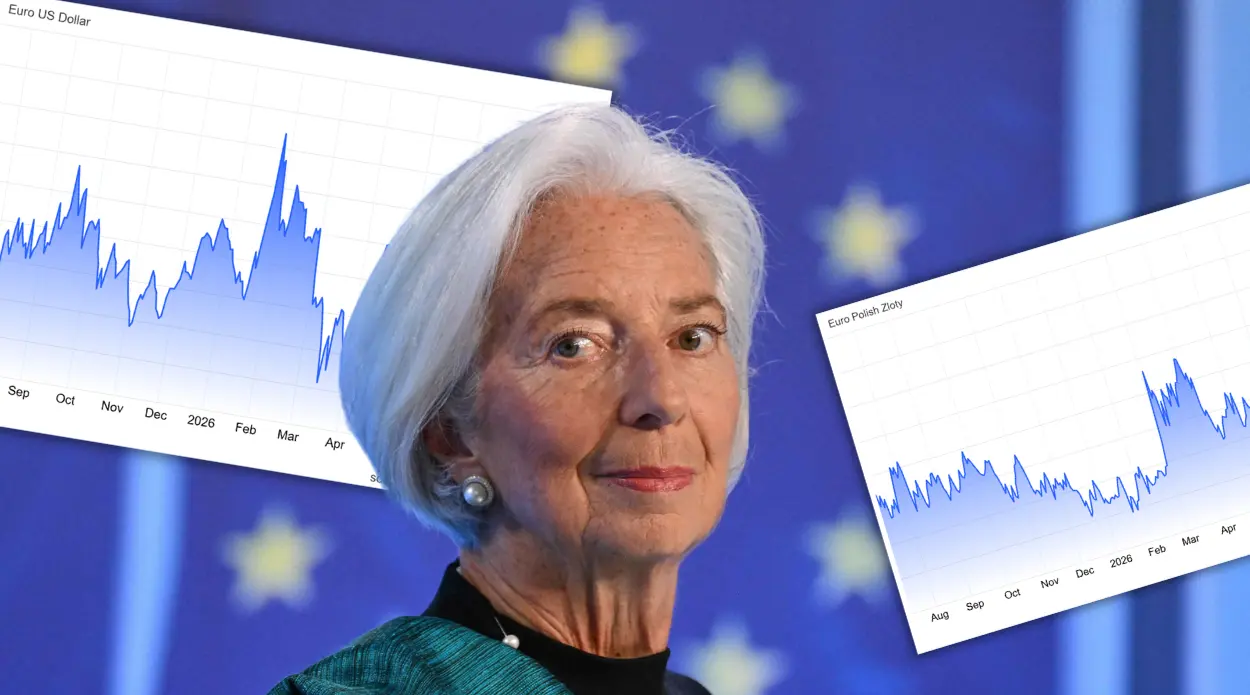
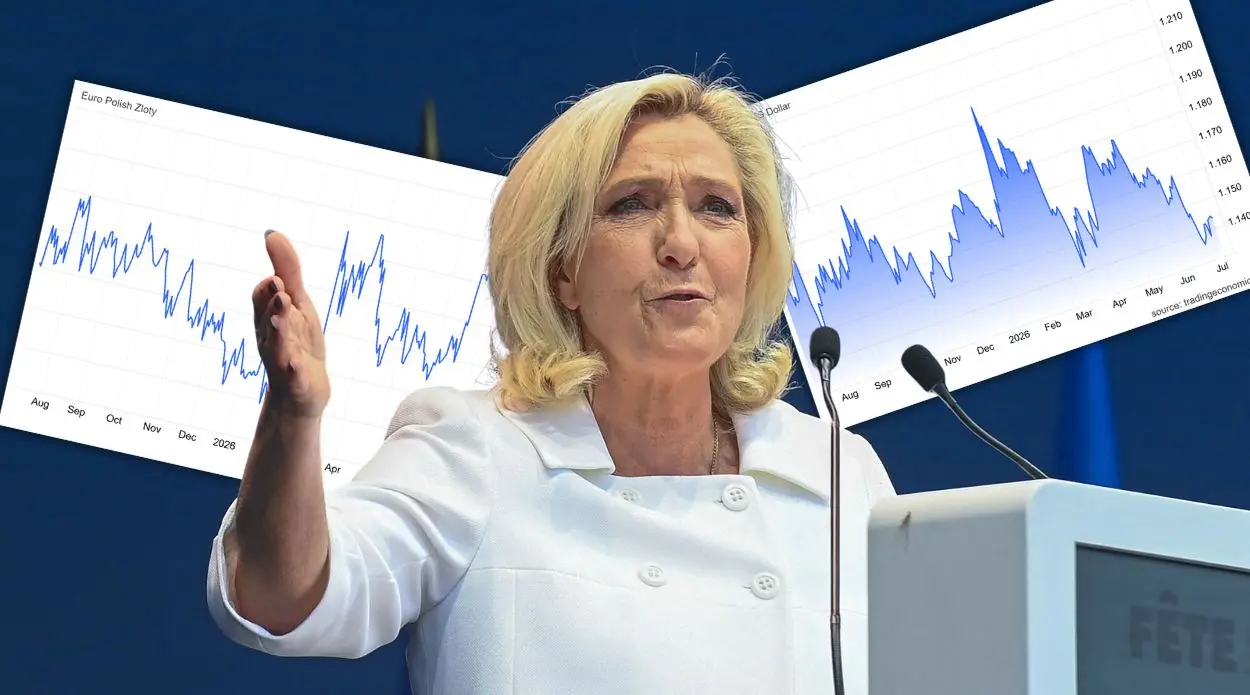
The dollar was under slight selling pressure yesterday. This led to a slight appreciation of EURUSD (+0.3%) and ended trading near 1.1425.
No significant changes were noted for EURGBP and EURCHF. The start of the week, however, brought a weakening of the yen – 0.45% to the euro and 0.15% to the dollar.
Tuesday’s Asian quotes continued this move – USDJPY reached 162.40, testing 40‑year highs.
The market probably did not fear speculation about potential intervention to stop the depreciation of the Japanese currency.
The start of Tuesday’s European trading brings slight declines in EURUSD (to about 1.1400).
In a broader view, the situation on the pair changes little. We still do not see potential for larger upheavals in the base FX, except for possible extraordinary actions on the yen, which should have limited impact on other currencies.
Full calm in the region
We have a draw session on CEE FX. The valuation of the forint and Czech crown to the euro has not changed. Little happened on the zloty as well. EURPLN spent most of the time near 4.29 and closed at that level.
We assume Tuesday will not bring a surge in domestic currency volatility. The base scenario remains trading the euro at 1‑2 grosze below 4.30 PLN.