The Dollar Paradox and Geopolitical Return
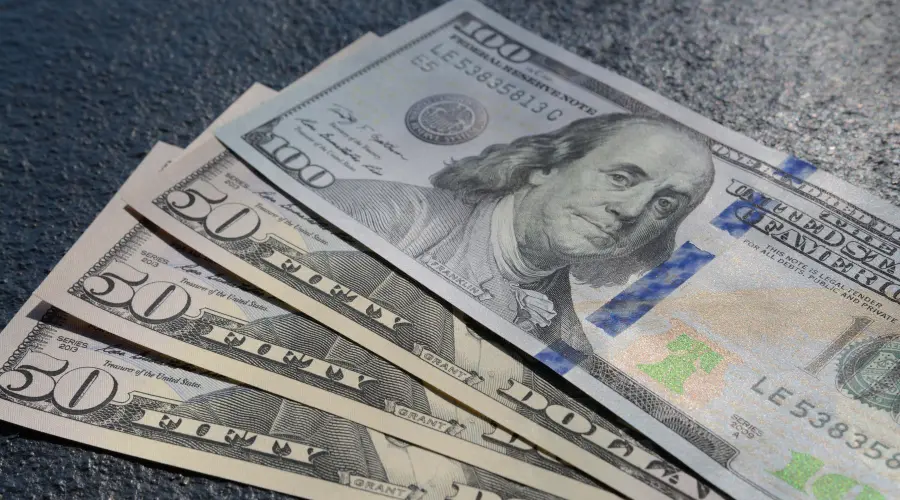
The dollar is doing its thing again. Although more voices over the past weeks had hinted at a quick end to the conflict, Tuesday morning brought further confirmation of a simple market rule: in times of uncertainty capital returns to the greenback as if it were home with double force. Monday’s euphoria, driven by news of an impending 14‑point memorandum between Washington and Tehran, pushed European indices up more than 2 % and Wall Street futures blossomed despite the market being closed for Memorial Day.
The Dollar Rises
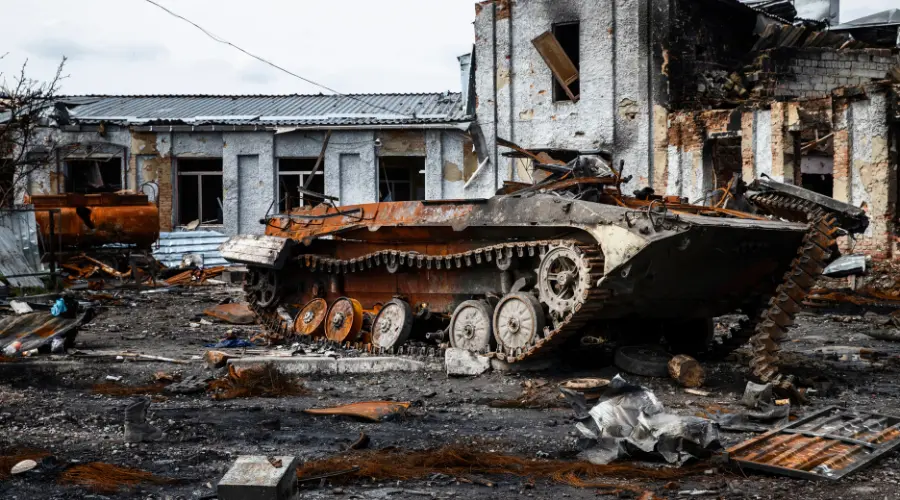
However, overnight CENTCOM confirmed further strikes on Iranian missile sites and ships at the Strait of Hormuz, and Ayatollah Chamenei responded with fiery rhetoric: he assured that the US would no longer have a safe haven in the Middle East. The dollar strengthens against most G10 currencies.
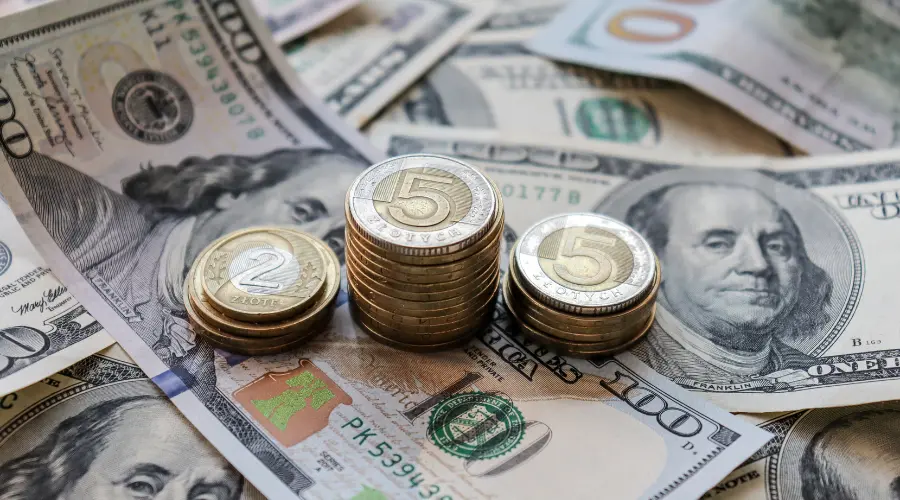
The USD/PLN Rate Returns to 3.64 PLN
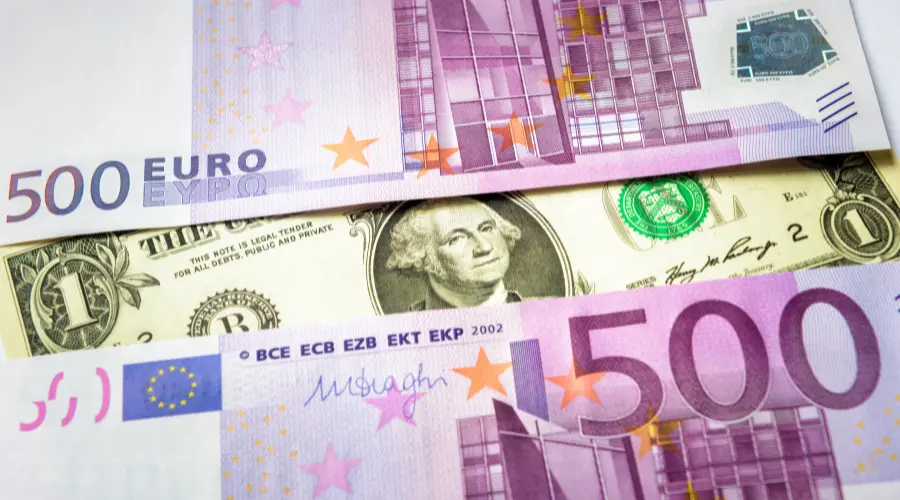
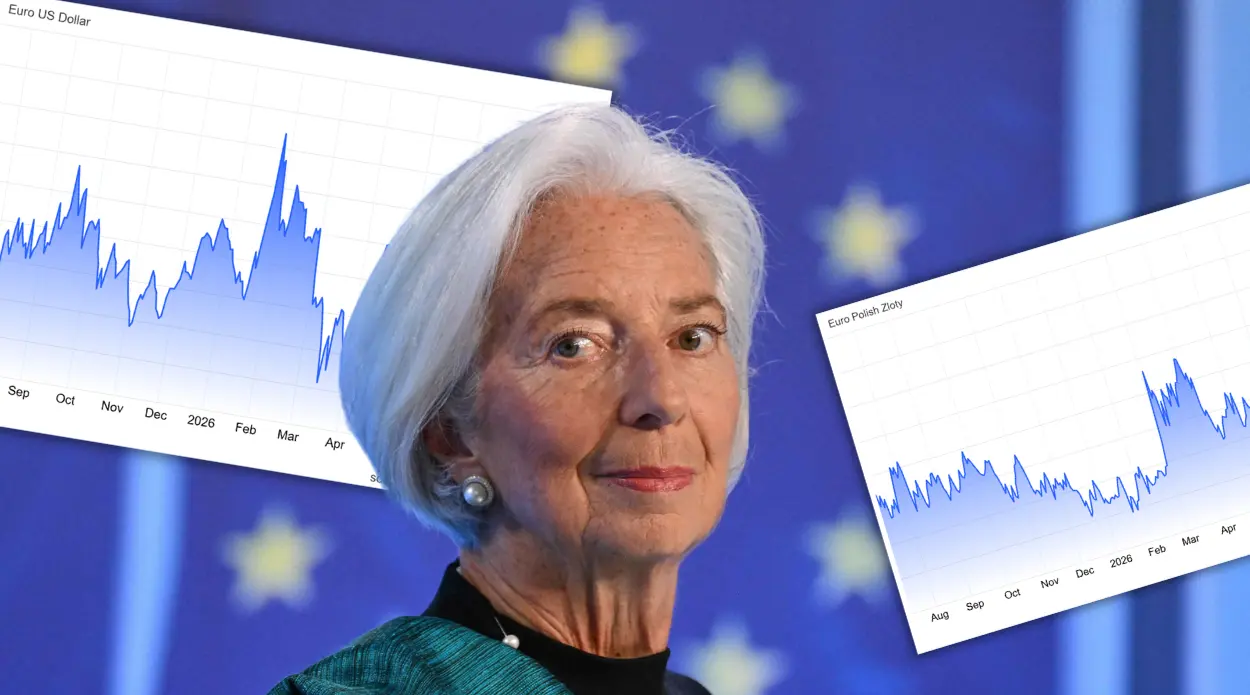
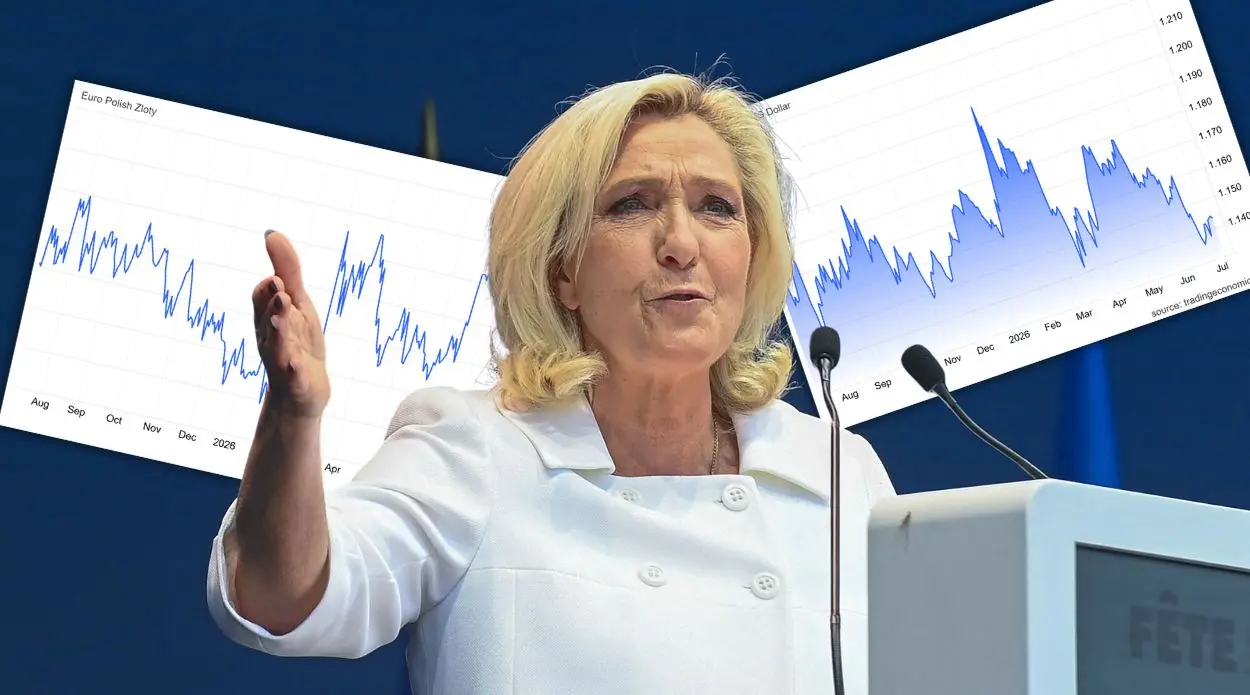
The USD/PLN pair returned to around 3.64, and the EUR/USD pair is quoted at 1.1631, confirming that the market no longer buys the narrative of a near‑peace as easily as in previous weeks.
Secretary of State Rubio does say that negotiations are 90–95 % complete and that talks in Qatar focus solely on the "appropriate language" of the agreement, but he also warns that the strait will be opened "whether or not," sounding less like diplomacy and more like an ultimatum.
Brent crude returned to around $98 per barrel, and WTI has risen over 2 % to about $92.
Fed in the Waiting Room: Between Inflation and Geopolitics
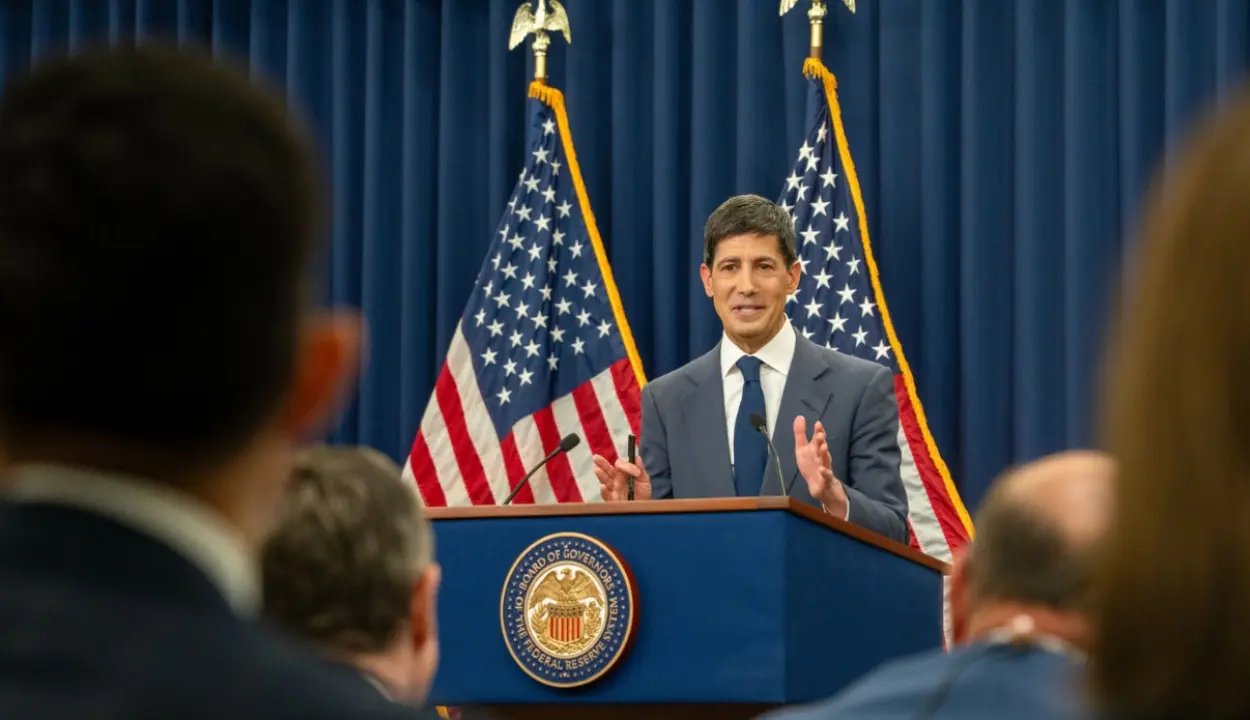
While the Middle East dictates short‑term market moves, investors also focus on what the Federal Reserve may or may not be forced to do in the coming months. At the June meeting (17 June) the market is almost certain of no change: the probability of keeping rates at the current 350–375 bps level is 98.2 %. However, the farther into the future, the picture becomes less clear.
The December meeting is already a real Gordian knot: the probability of keeping rates at 350–375 bps is 40.9 %, but 41.6 % points to a 375–400 bps level, and 15.1 % of the market even prices a hike to 400–425 bps.
In other words: the market has begun to seriously price not only the absence of cuts but the real possibility of raising rates by year‑end. This is a striking shift in narrative, as a few months ago consensus assumed at least two cuts in 2026. The geopolitical oil premium, which systematically keeps oil prices at elevated levels, directly translates into inflation forecasts, and the Fed in an environment of rising energy costs has tightly linked hands.
What Next for the Middle East?
The fundamental question for markets is no longer "will there be an agreement?", but "what does that agreement actually mean?". If you believe diplomatic sources, a potential memorandum is essentially an extension of the conflict for another 60 days with a conditional partial opening of the Strait of Hormuz. Before the war, 125–140 ships passed daily; today it is only a few dozen, meaning that about one‑fifth of global oil and LNG trade remains blocked or heavily restricted.
Even a symbolic opening within 30 days of the agreement will not immediately restore full flow or immediately reduce the geopolitical risk premium embedded in oil prices.
European indices open Tuesday’s session with a correction: DAX futures retreat 0.5 %. If the agreement announcement occurs this week as expected, but its content disappoints optimists or Chamenei again inflames the situation with sharp rhetoric, market reaction could be painfully abrupt.
In this environment the dollar remains a currency that is hard to abandon, and even if the deal is finally signed, its impact on the greenback will depend not on the signed agreement but on how much movement we see in the Strait of Hormuz in the coming weeks.