Middle East Closer to De-escalation
Half an hour later a press conference will begin with the RPP chairman. The Wednesday statement (details in the next paragraph) did not suggest a hawkish turn in the narrative of national monetary authorities. Yesterday we pointed out that diplomatic signals from the Middle Eastern conflict are beginning to outweigh military ones.
The breakthrough information on Wednesday was, however, only from Axios. The portal, citing its own sources, reported that the White House is close to an agreement on a one-sided memorandum that would set the framework for more detailed negotiations.
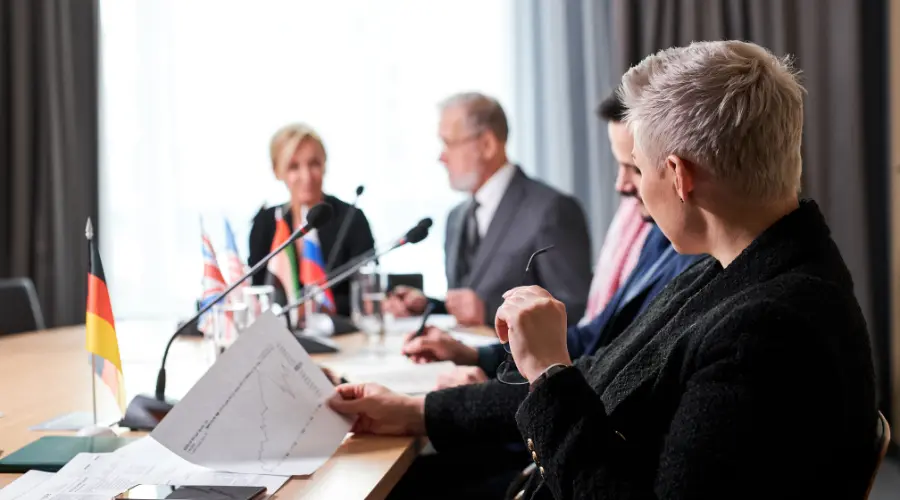
Negotiations on the document are being conducted by Wikoff and Kushner with several Iranian officials both directly and through mediators.
The memorandum in its current form would announce the end of the war in the region and the start of a 30‑day negotiation period on a detailed agreement concerning the opening of the Strait, limiting Iran’s nuclear program, and lifting U.S. sanctions,” wrote Axios. In the afternoon Axios information was partially unofficially confirmed by Reuters as well.
“A Pakistani source and another source informed about the mediation said that the agreement on a one‑sided memorandum, which would formally end the conflict, is close to finalization.” The reactions of the parties involved in the war fit the communication formula observed in recent weeks.
The spokesperson for the Iranian Ministry of Foreign Affairs told ISNA that Tehran “is still analyzing the U.S. proposal and after the review will convey its position to the Pakistani side.”
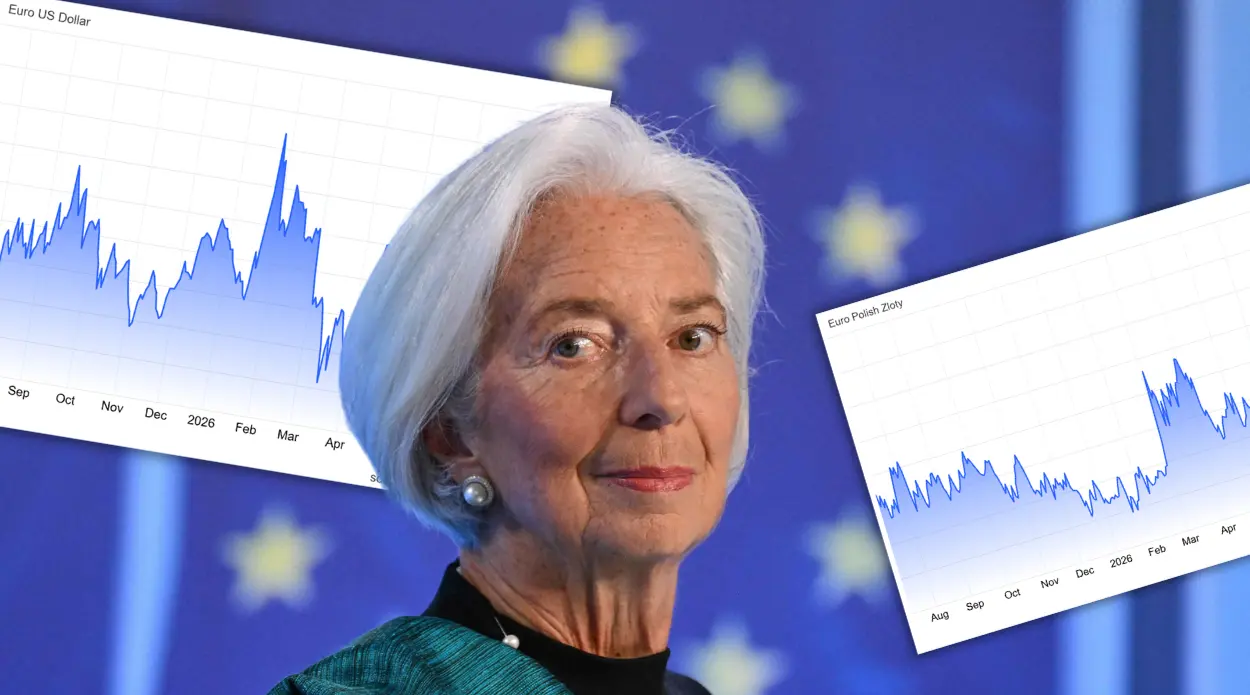
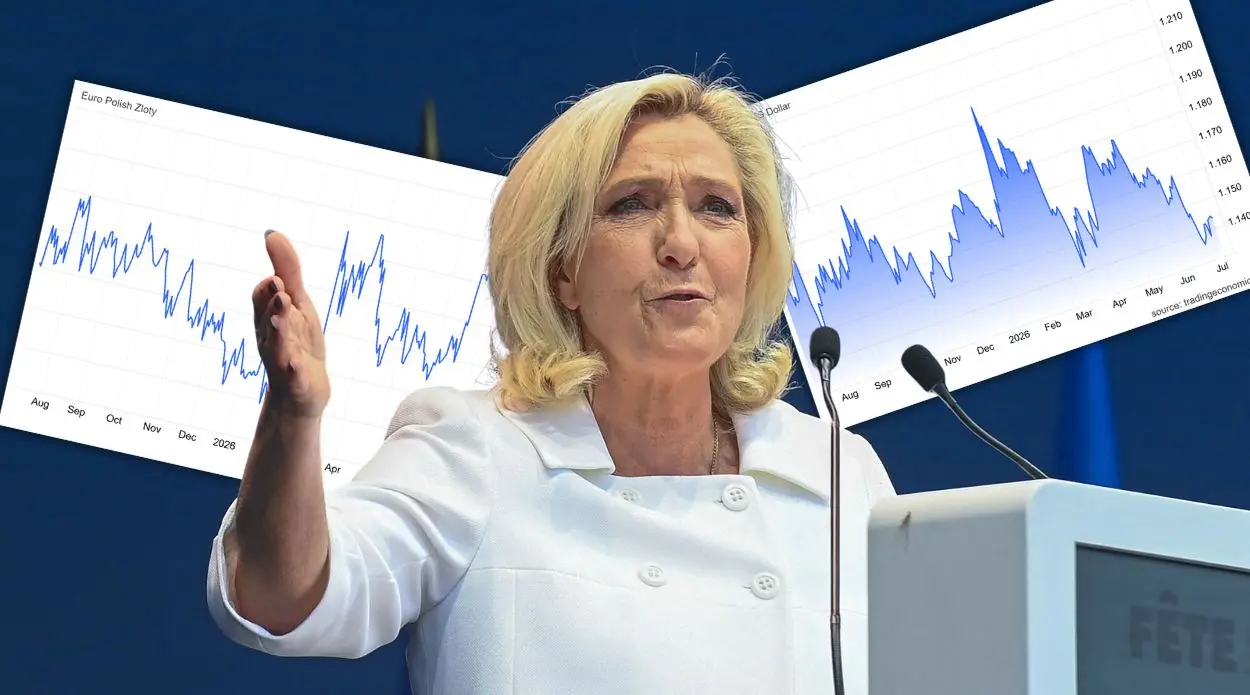
Currency Impacted by RPP and Geopolitics – EUR/PLN 4.23, USD/PLN near 3.60
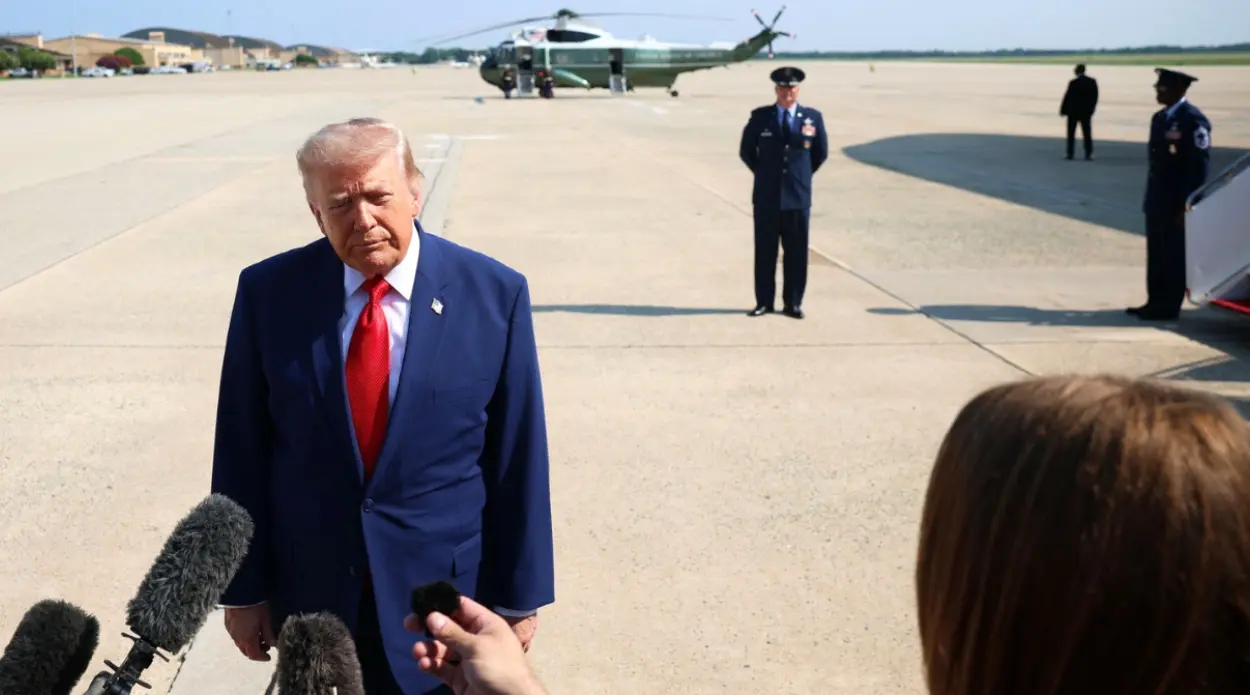
Meanwhile the U.S. president, in an interview with a public broadcaster, assessed that “there is a very high chance of ending this conflict, but if it does not happen, we will have to strike them again with full force.”
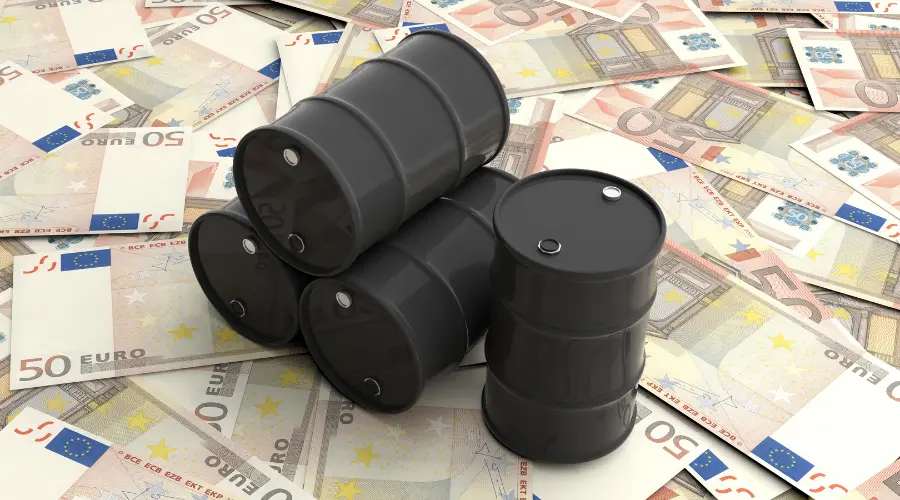
The market reacted positively to the potential end of the war in the Gulf. In addition to a clear increase in risk appetite, we observed 7‑8% drops in Brent crude and diesel prices.
The jet fuel barrel dipped almost 10% (currently 159 USD/b).
However, for optimism to be maintained, additional impulses are needed. In the original Axios message it was stated that the U.S. side expects a response from Tehran within 24‑48 hours. This suggests it should arrive before the weekend.
An element of de-escalation would also be the setting of a meeting date for delegations involved in the conflict. However, in this scenario the president Trump was skeptical.
In a PBS interview he suggested that talks could take place remotely and only “at the final meeting we will organize somewhere to sign the documents.”