Gold reflects yesterday's gains, and the market rises
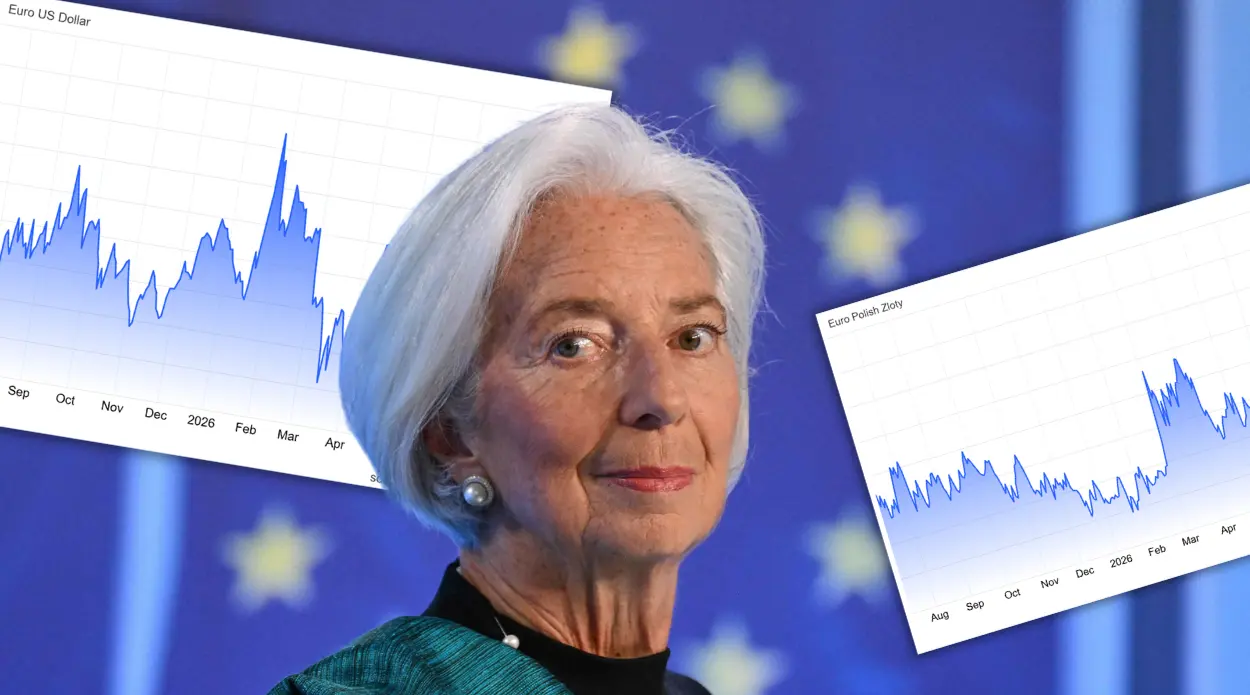
The EURPLN rate, after yesterday's strengthening, begins the session with a weakening and may head toward 4.30. Domestic IRS rates are close to key support levels, and after two days of consolidation we expect today's session to be similar, though with a slightly higher probability of market rate increases.
In the domestic equity market, the main stock indices recorded significant gains of about 0.7‑1%. Gold slightly strengthened to about 4.29 from about 4.30. Other regional currencies also gained slightly. This situation occurred with relatively small changes in the dollar‑to‑euro rate.
In the domestic interest rate market, IRS rates rose slightly at the start of the session and then gradually fell toward the opening and slightly below the long end of the curve. Similar changes were noted in the domestic debt market. The yield on 10‑year bonds ended the day at about 5.28%
Markets in reverse, and the euro loses ground
In the European session, stock markets were dominated by red, with indices falling about 1%. Weaker sentiment also prevailed in the US equity market. Support for sentiment and a limit on equity declines could have come from, among other things, euro‑zone inflation data that showed a lower reading than expected (2.8% YoY versus a consensus of 3%), which worked to limit expectations of rate hikes.
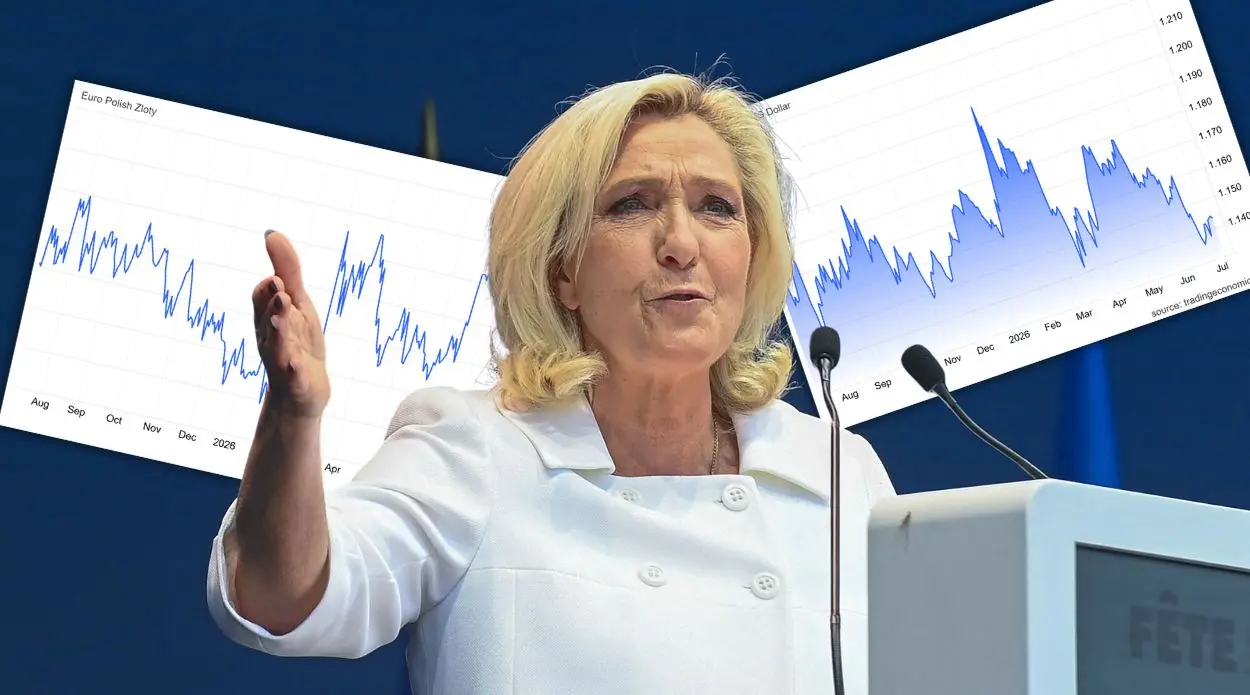
This worked toward a lower euro rate, and the decline in the EURUSD rate was not stopped by slightly better-than‑expected PMI data for June, nor by weaker US labor market data (the ADP report showed a deeper-than-consensus decline in non‑farm private sector employment: 98k versus 122k in June).
The ISM index for industry also fell below forecasts, dropping from about 54 points to about 53.3. The dollar gained slightly against the euro, and the EURUSD rate fell to about 1.138 from about 1.14. Fed President K. Warsh said that the risk of higher inflation has decreased recently, and combined with US data, this could have limited dollar gains.
Oil prices fell to about 71.5 points from about 73.3. In primary debt markets, despite slightly weaker euro‑zone and US data and falling oil prices, yields moved slightly higher by about 1‑2 basis points. At the end of the session, 10‑year German Bund yields were about 2.92%, and US yields about 4.48%.
Today we will see the June US labor market report
At 14:30 today we will see the June US labor market report, containing data on changes in non‑farm employment. It is usually published on the first Friday of the month, but this Friday is a holiday in the US due to Independence Day celebrations.
According to consensus forecasts, non‑farm employment in June rose by 115k versus a rise of 172k in May. The unemployment rate is expected to be 4.3%, the same as in May, and the hourly wage to rise by 0.3% month‑over‑month.
Recent data (including JOLTS and ADP) indicate a stabilization of the US labor market and its solid condition. Results converging with consensus forecasts will, in our view, support the Fed’s hawkish narrative.
PMI for Polish industry fell
The PMI for Polish industry fell in June to 46.1 points from 49.4 points a month earlier. This is the largest monthly decline in the index since mid‑2022. It is a disappointing result, clearly below expectations. The decline in the PI index is largely due to worsening assessments in new orders and current production. PMI results are not consistent with GUS business climate surveys, which indicated an improvement in Polish industrial sentiment.
The business climate remains stable in the economies of our main trading partners, as indicated by the stabilization of PMI indices for Germany and the entire euro‑zone. PMI index readings may therefore not best reflect actual industrial trends, which may be related to the index’s construction or the selection of surveyed enterprises.