










Today we will see the first estimate of Polish GDP in Q1 2026. According to us, we will observe a slight slowdown in growth, to 3.8% YoY from 4.1% YoY in Q4, partly due to weak activity in industry and construction in January and February. Additionally, in the US, April retail sales data will be released, among other things.
The employment level in Poland (measured by national accounts) rose in Q1 2026 by 218.6 thousand jobs YoY (1.3% YoY). Compared quarter‑to‑quarter, the seasonally adjusted employment level increased by 27 thousand jobs, which is the fourth positive reading in a row after a period of declines observed from the end of 2023 to the beginning of 2025. The employment growth in Q1 of this year had its main source in the trade, transport and horeca sector, both year‑to‑year (+184 thousand jobs) and quarter‑to‑quarter (+81.4 thousand).
Although monthly employment data in the enterprise sector still indicate a decline year‑to‑year (-0.9% YoY in March), the national accounts data suggest that the situation in the Polish labour market is improving.

Przemysław Litwiniuk of RPP assessed in the backstage of the Impact’26 congress that by the end of the year a rate hike is more likely than a cut. Nevertheless, as he added, the "period of reflection" will only open with the July NBP projection. Litwiniuk does not expect the Council to decide in July on a change in the level of interest rates. Ludwik Kotecki stated that one can forget about rate cuts until the end of 2026, and probably also until mid‑2027. Like Przemysław Litwiniuk, Kotecki expressed the view that the discussion on rate hikes could start in July, although currently a stabilization of rates is more likely. Henryk Wnorowski told Bloomberg that he is more worried about economic growth than inflation due to the conflict in the Middle East. In his opinion, the scale of uncertainty excludes quick decisions on interest rates, and inflation exceeding 3.5% YoY will not trigger an immediate RPP reaction.

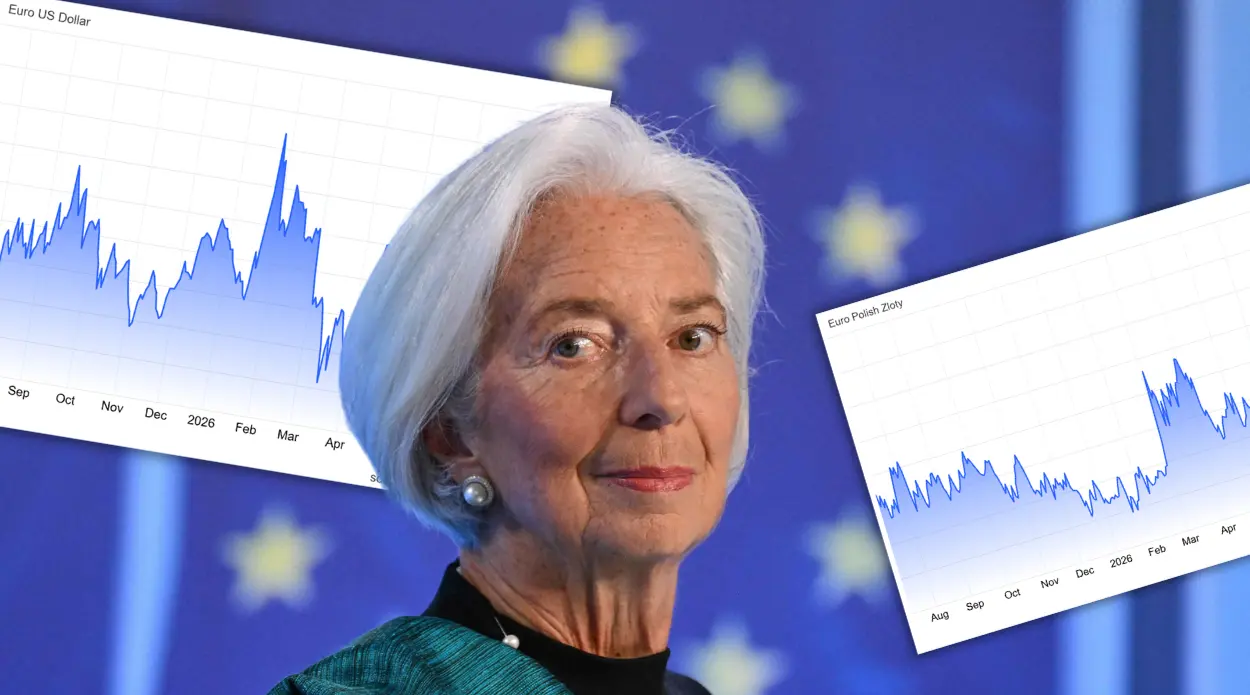
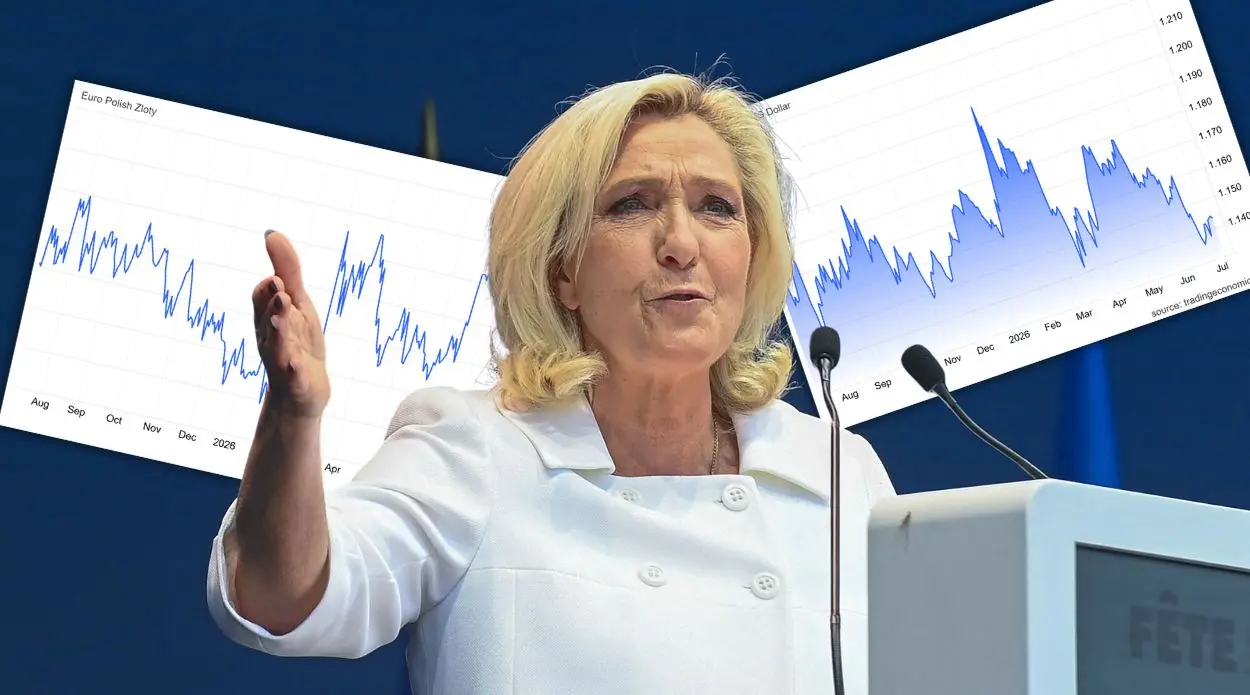
The Ministry of Finance extended the CPN program (lower VAT and excise on selected fuels) until the end of May. We assume that the program can be maintained throughout this year, and its budgetary cost will be more or less covered by an additional tax on excess profits of energy sector firms. The finance minister announced that details regarding the tax will appear within seven days. The price of crude oil remains in the range of $105–108 per barrel. The EURPLN rate hovered around 4.251, ending the day slightly lower. Today markets may react to reports from Donald Trump’s visit to China.
Domestic bond yields rose on Wednesday by 2–8 basis points, and their curve flattened by about 6 basis points. IRS rates and FRA rates for transactions with maturities at least nine months away also rose slightly, by about 3 basis points.