Key points:
- The PLN is losing ground to a stronger dollar.
- The USD gains thanks to market turmoil, a hawkish Fed, and strong US data.
- Eurozone PMI indicators suggest stagnation, but a rebound is expected in the second half of the year.
- The resignation of Prime Minister Keir Starmer has so far not affected the GBP.
- The US NFP report should show another month of solid job creation.
This gave currency traders another reason to buy safe havens, led again by the US dollar, followed by the Swiss franc. Moves were generally modest. Oil prices continue to fall – fears of shortages are easing, and spot markets appear oversupplied.
Retaliatory violations of the US-Iran arms embargo only slightly affect commodity prices, even though there is a sense that the parties have clear disagreements about what they actually agreed on. In any case, investors seem eager to return to normalcy amid unclear war‑ending conditions.
In the coming days macro data will be in focus. In the US it will be a week of labor market data: several key indicators will be released, culminating in the June NFP (non‑farm payrolls) report on Thursday (02.07) – a day earlier than usual due to Independence Day. Markets expect a moderate slowdown in job creation pace from the explosive growth of the last three months to a still strong labor market.
From the eurozone we will see preliminary June inflation readings (Wednesday 01.07). The first positive impact of lower energy prices is expected to be visible in both headline and core measures. In the UK, all eyes will be on the Treasury Secretary appointment by Andy Burnham, to assess how seriously he takes fiscal policy principles.
Currency rates: Polish zloty PLN
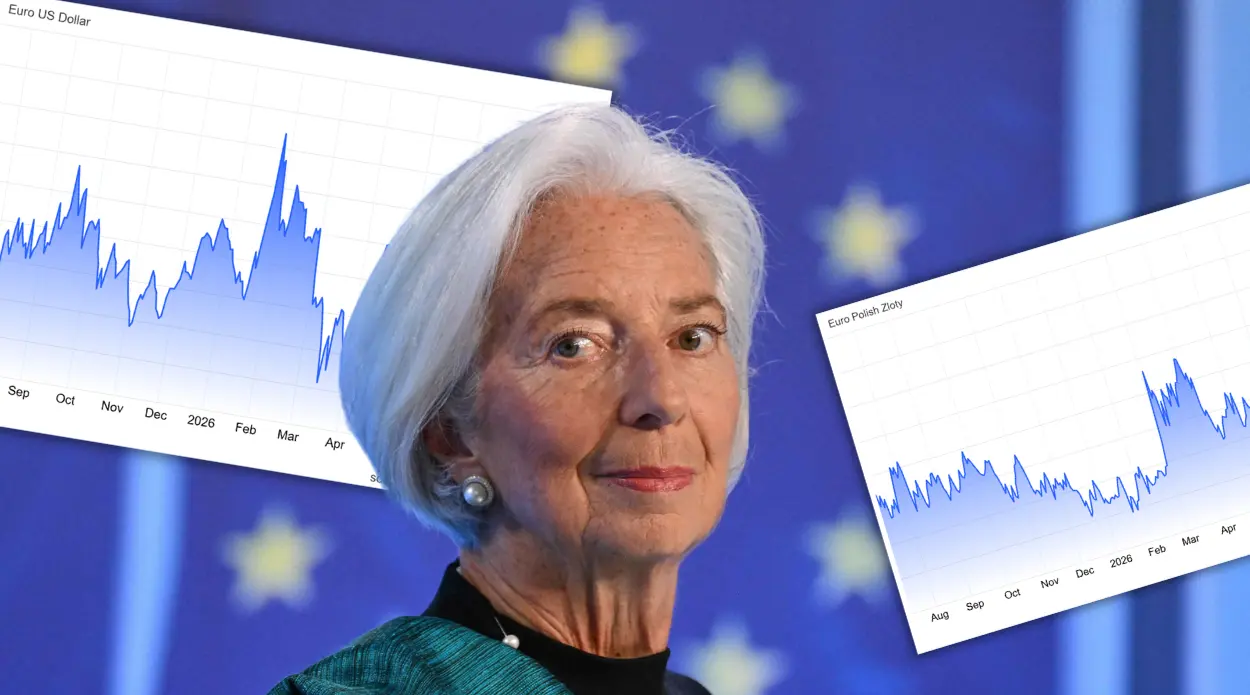
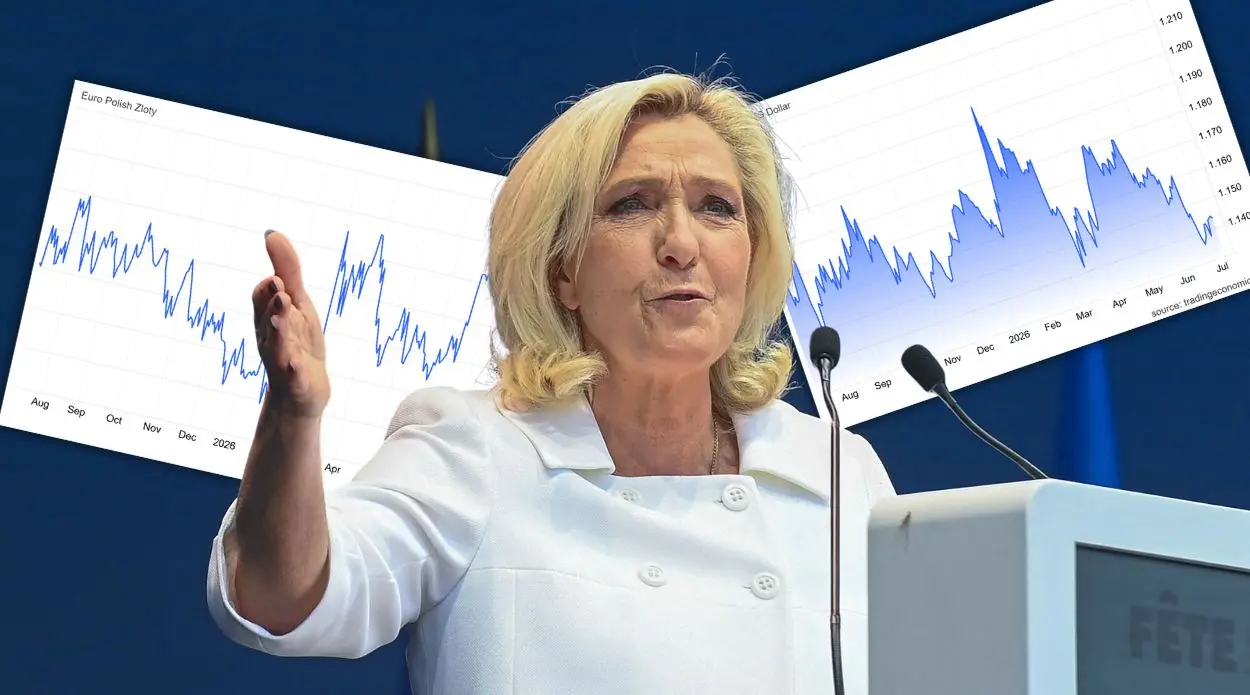
Recent days have seen a continuation of selling pressure on the zloty. The EUR/PLN rate is still moving northward, approaching the psychological level of 4.30. The zloty is hampered by a shift in market sentiment toward the United States amid a hawkish Fed reversal, a weakening presidential position, and relatively strong macro data – all of which support the dollar.
Local news have also not been the best recently. Construction output in May fell sharply.
More importantly, retail sales (3% YoY in real terms) turned out clearly worse than expected, and wage data, which rose less than anticipated (to 5.8%), further dampen consumption. At the same time, the latter should reassure those worried about the second round’s effects.
Inflation prospects improve with falling energy prices, though weather raises some concern. We have preliminary inflation data (Tuesday 30.06) – it is expected to approach the midpoint of the inflation target, showing a clear drop from 3.1% in May.
Currency rates: euro EUR
June PMI indicators for business activity have returned to levels that have recently aligned with moderate growth of about 1% on a revised basis. With some optimism we expect the eurozone’s economic growth to stabilize in the second half of the year.
The decline in energy prices is structurally positive for its economy and should affect both price‑pressure reduction and increased disposable income.
We also quietly hope that the slow spill‑over of the German stimulus package will start to support these indicators, even if it is hard to see in the data – infrastructure spending has a high multiplier that takes time to materialize.
Euro inflation data (Tuesday 30.06) should bring some relief to the European Central Bank, but more important for markets will likely be the numerous speeches and statements from the annual forum in Sintra, Portugal.
Swap markets still largely price another ECB rate hike of 25 basis points at the September meeting – we are not entirely convinced about it.
Currency rates: US dollar USD
A series of pleasantly surprising data from last week (PMI, GDP, personal spending, durable goods orders) suggests that the US economy is still growing strongly thanks to large investments, not all of which are AI‑related.
This also supports the narrative that the European economy will suffer more and longer from the Iran war than the US, which still seems almost entirely resilient to higher energy prices.
The biggest test will come this week with the June labor market data released on Thursday (02.07) the day before the Independence Day holiday. After the new FOMC chair Kevin Warsh announced a significant reduction in information flow and forward guidance from the Federal Reserve, key readings such as the NFP gain additional importance for investors.
Consensus suggests that job creation will be about 114,000, which, while a decline from the previous month, would be entirely sufficient to keep pace with labor force growth.
Currency rates: British pound GBP
The pound continues to perform well against other European currencies and so far no additional risk premium has been imposed for fiscal risk. This suggests two things: first, markets feel relief that the prolonged fight over the premiership has been avoided; second, the respect declared by Andy Burnham for UK fiscal policy is taken seriously.
We believe investors are too generous and do not price enough the pressure from the left wing of the Labour Party to increase spending – whether at the cost of higher corporate taxes or by raising sovereign bond issuance.
The calendar is light in terms of data, but it should still be a key test for the above assumption. Attention turned to who will become the new Treasury Secretary. Initial optimism that a left‑wing pragmatic Wes Streeting might take the role weakened after reports that the current energy minister and former Labour leader Ed Miliband are favoured. We see this as negative for the pound due to its support for looser fiscal policy, a green industrial agenda, and a more interventionist stance. Either way, the space for further appreciation of the pound against the euro is, in our view, limited.