Market participants were awaiting Nvidia’s quarterly results, which turned out to be exceptionally good, potentially supporting optimism in the markets today as well. According to Fed minutes, most participants emphasized that some tightening of monetary policy will likely prove appropriate if inflation remains above 2%. Additionally, many participants would prefer to remove from the post‑meeting statement any suggestion of a gentle stance.
Fed members assessed the U.S. and Israel’s war with Iran as the main factor that could shift monetary policy outlooks. Today, base‑market yields are opening near yesterday’s close, but a slight rise in oil prices indicates a chance for modest gains.
Improvement in domestic production and wage data may push domestic yields higher, while a deterioration in European PMI could restrain growth.
Euro EUR/PLN, stocks, bonds
Equity indices rose about 0.6‑1.6% on yesterday’s session, supported by strong company results.
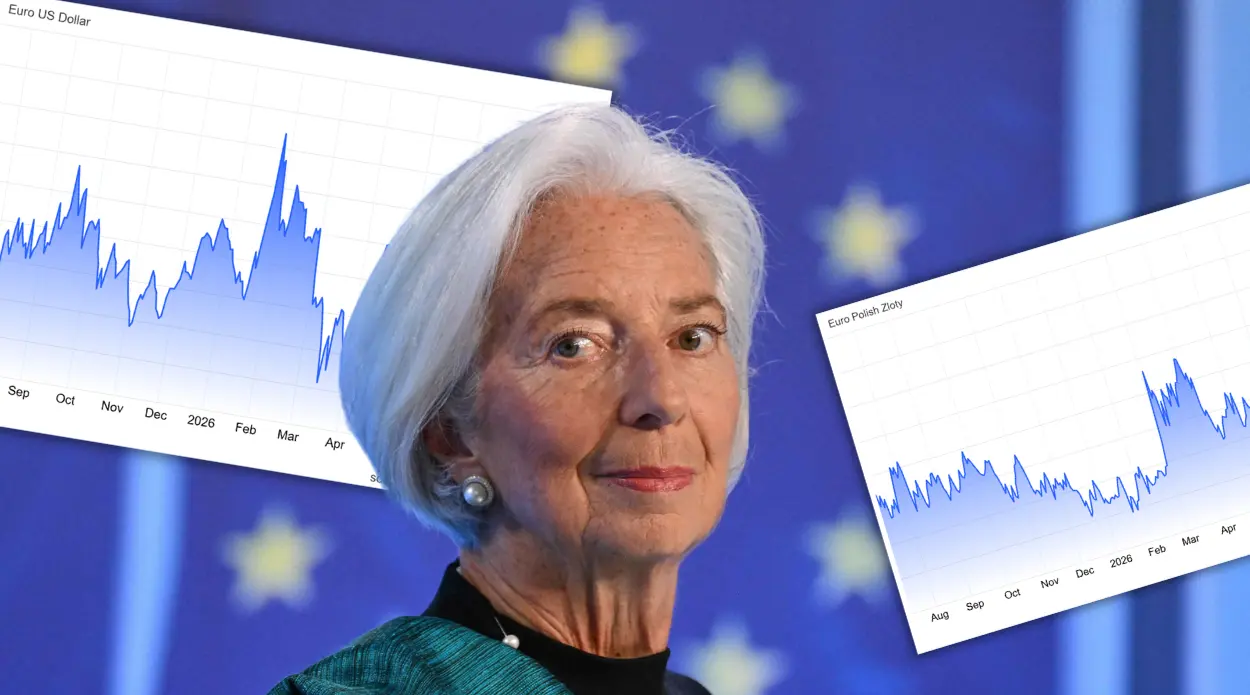
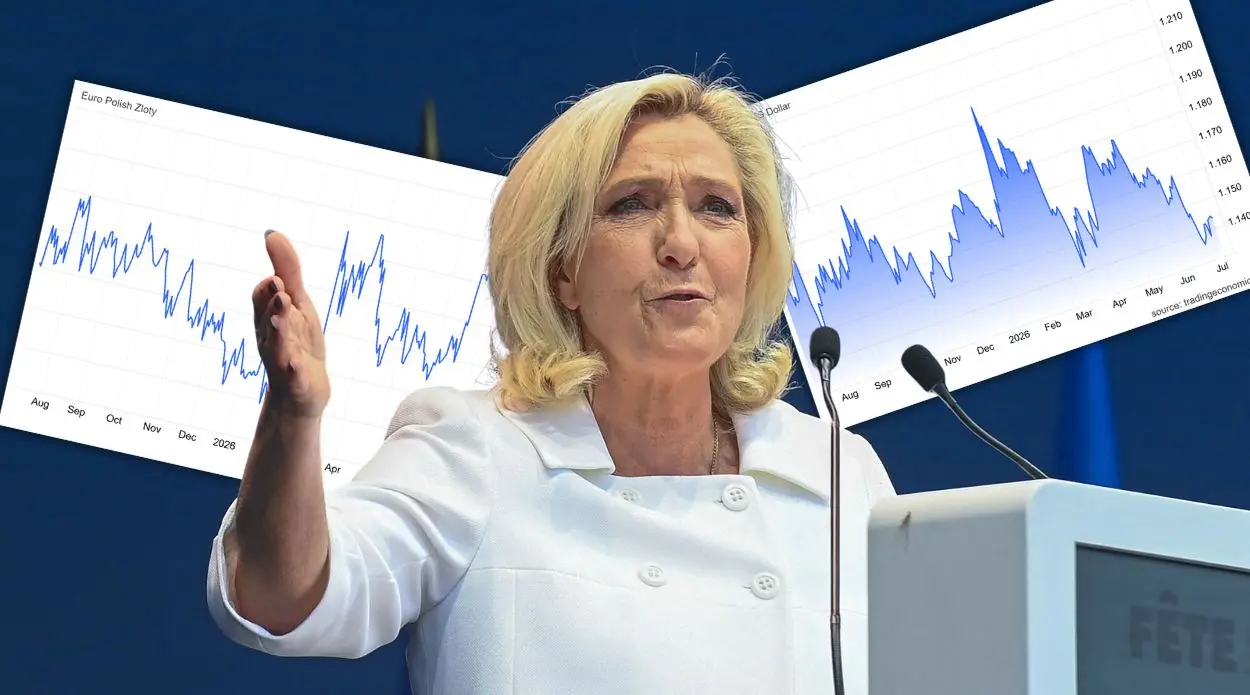
The EUR/PLN rate rose to 4.257 from about 4.253 in the first part of the day, falling only at the end of the session to about 4.245.
On the domestic interest‑rate market, rates fell about 8‑12 basis points. Bond yields fell in a similar range. By the end of the day, the 10‑year bond yield fell to about 5.94%. Thus, yields returned to levels set by the March‑April peaks.
Support for the decline in market rates came from a similar move in base markets with falling oil prices. The decline was not heavily limited by the improvement in domestic GUS economic indicators.
Markets rise despite Middle East tensions. Inflation surprises in Europe, bonds gain
European equity markets improved sentiment, with indices rising about 0.9‑1.4%. Gains were also noted on U.S. exchanges. Investors awaited Nvidia’s quarterly report and the Fed’s latest meeting minutes. The Islamic Revolutionary Guard Corps (IRGC) threatened to expand the war beyond the Middle East if the U.S. resumes attacks on Tehran.
However, oil prices fell amid hopes for a final de‑escalation of the Middle East conflict. Inflation in the United Kingdom for April was slightly lower than expected, falling to 2.8% YoY from 3.3% versus the anticipated 3.0%. Czech PPI rose slightly slower than expected to 1% YoY from -1.1% versus the expected 0.6%. Meanwhile, HICP inflation for the eurozone in April was confirmed.
The EUR/USD rate rose during the day to about 1.163 from about 1.159.
In base debt markets, there was strengthening, and the yield decline reached 6‑10 basis points, with a larger drop for German bonds. By the end of the day, the 10‑year German bond yield was about 3.10%, and the U.S. was about 4.60%