It doesn’t matter that the details may not look best; the key phrase "de-escalation" has a chance to be realized. Rumors talk about a 60‑day memorandum during which military actions are to cease, but above all the Strait of Hormuz is to be opened (though Iran has tied this to a similar lifting of the US blockade and the unfreezing of Iranian funds in US banks, which the US administration is reluctant to fully agree to). According to the US, Iranians must make the first move, then Americans. For now the IRGC has allowed a few more tankers to pass through Hormuz, but with oil flowing to China.
Transport through Hormuz will return to normality
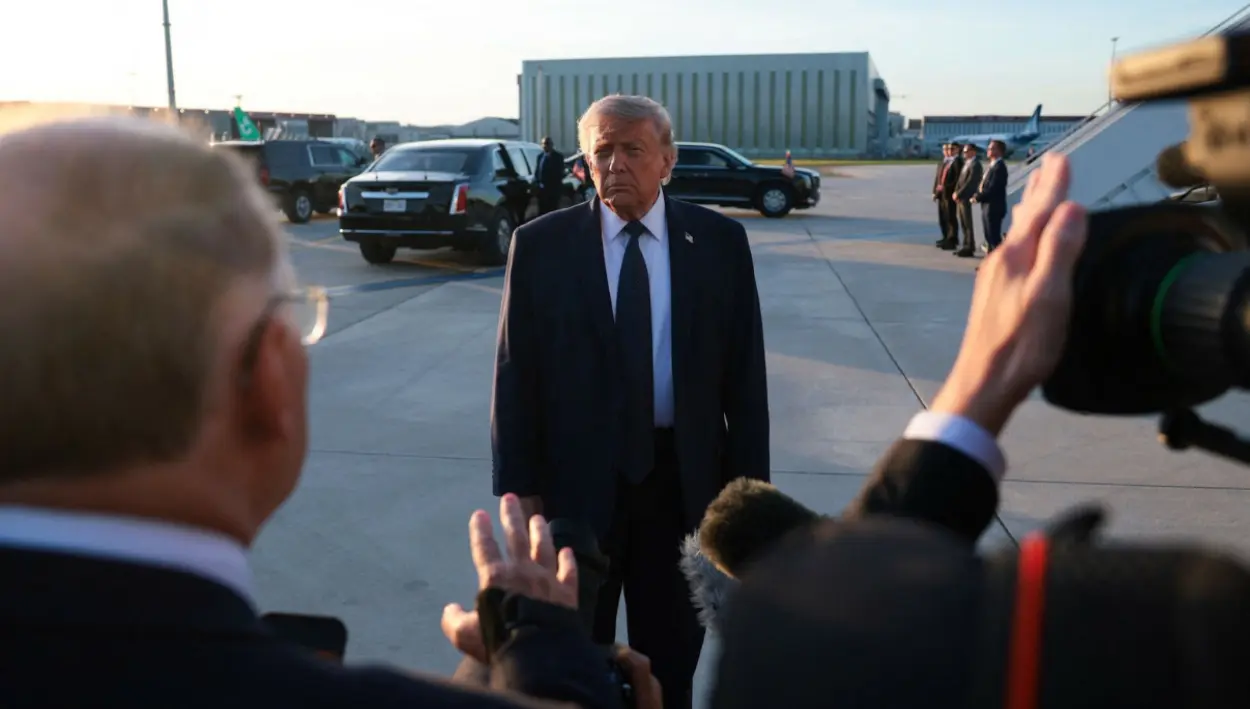
The key issue of Iran’s nuclear program is to be the subject of further negotiations – such a stance may, however, remove "pressure" on Iran and risk the topic becoming "blurred". Donald Trump, explaining himself, said that a good agreement takes time and he will not repeat Barack Obama’s mistake of negotiating a weak deal. Markets are less interested in that – the key is that war is unlikely to resume in the coming months, and transport through Hormuz will return to normality (though it is interesting whether Iranians really suggested a customs levy).
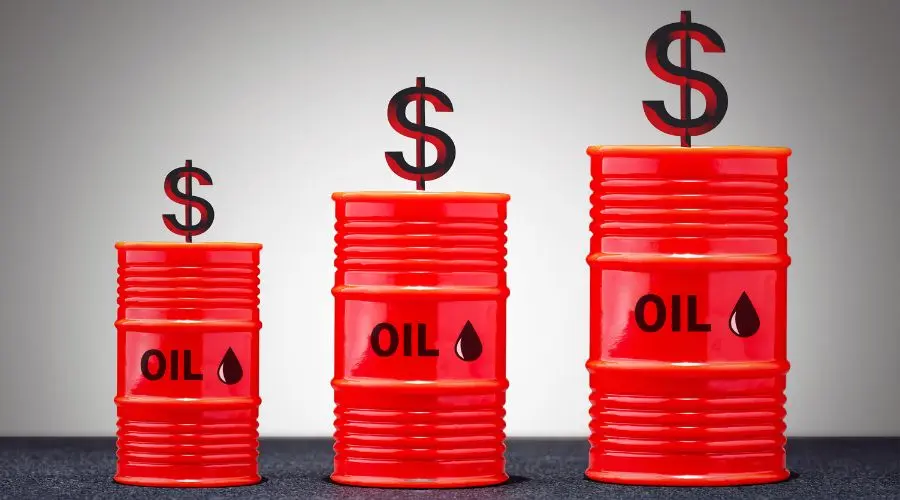
More than 5% drop in oil futures
Monday morning saw more than a 5% drop in oil futures (although it has now started to rebound a bit), but experts point out that we must wait for facts – the agreement and its actual effects. At the same time the "physical market" needs time to rebuild after the conflict – a few or even a dozen months. Hence expectations that oil could quickly fall back to pre‑war levels may be completely misleading. Clear optimism is seen in equity markets, although liquidity is limited today – the cash market in the US and some European countries is not operating (Memorial Day in the US and Pentecost in Europe).
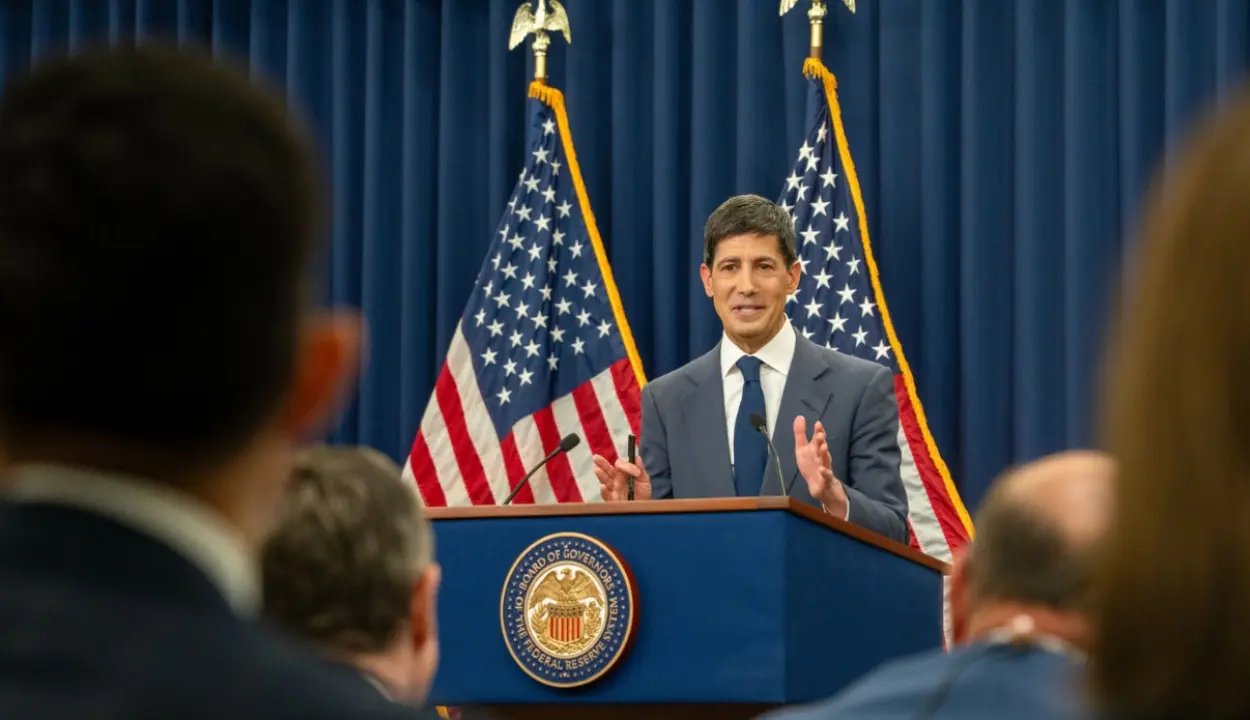
The dollar is retreating, but timidly. The strongest are the franc, pound and antipodean currencies, but changes do not exceed 0.3%. Investors seem cautious on currencies, as if they are unsure how early the potential agreement in Iran came and whether it will stop the effects on the global economy, especially inflation. Despite the Fed chair’s presence in the chair by Kevin Warsh, markets maintain their expectations for a rate hike in the US in Q4 of this year.
The macro calendar is empty today, so markets will be looking for further Iran news, and only tomorrow afternoon will they turn to the consumer confidence index reading in the US prepared by the Conference Board.
EURUSD – the start of an upward march?
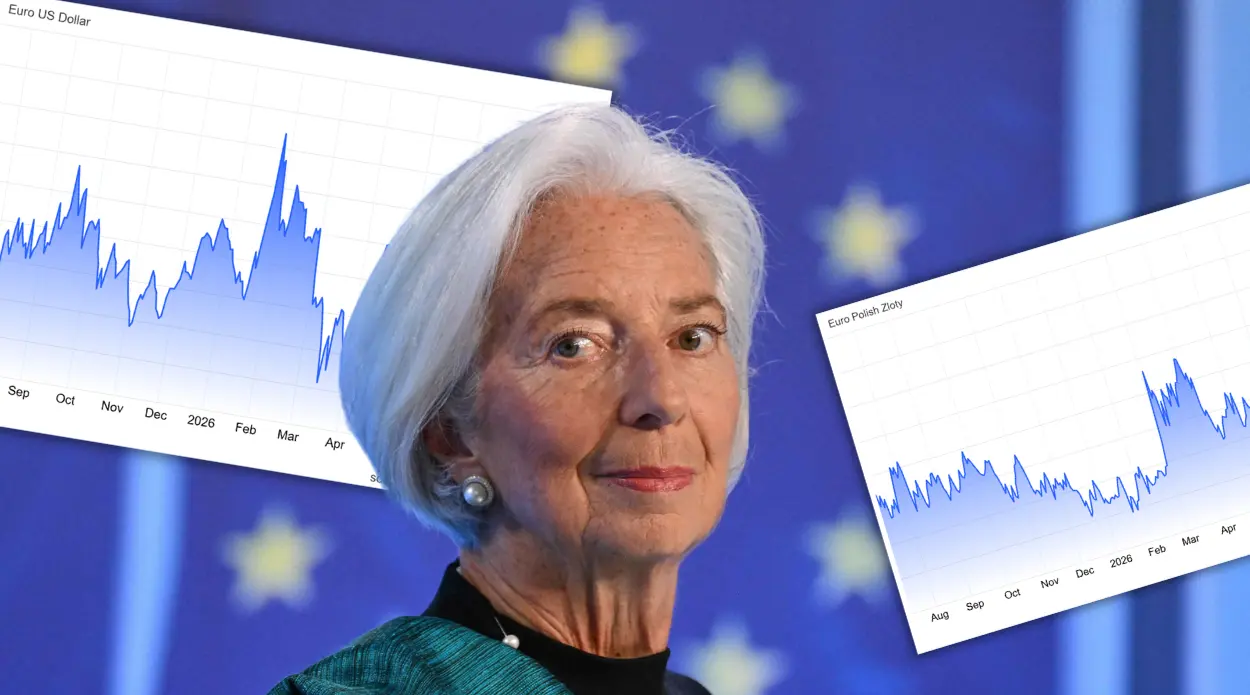
Expectations of tightening policy in the US in Q4 by the Fed still hold. Much earlier, on June 11, rates may rise by the ECB, which could precede a revision of inflation forecasts. This week on Thursday we will see the minutes from the May ECB meeting, and on Friday estimates of May inflation in some countries. This could be a supporting factor for the EUR this week, aside from the weakening USD following the de‑escalation in the Middle East.

Daily EURUSD chart
Technically we start a bounce around 1.1570, where besides support in the form of, among others, a January trough, we also had a rising trend line drawn from March troughs.
We are approaching key resistances at 1.1655‑70.
Breaking them would give momentum toward 1.18. A pullback could bring a retest around 1.1615.