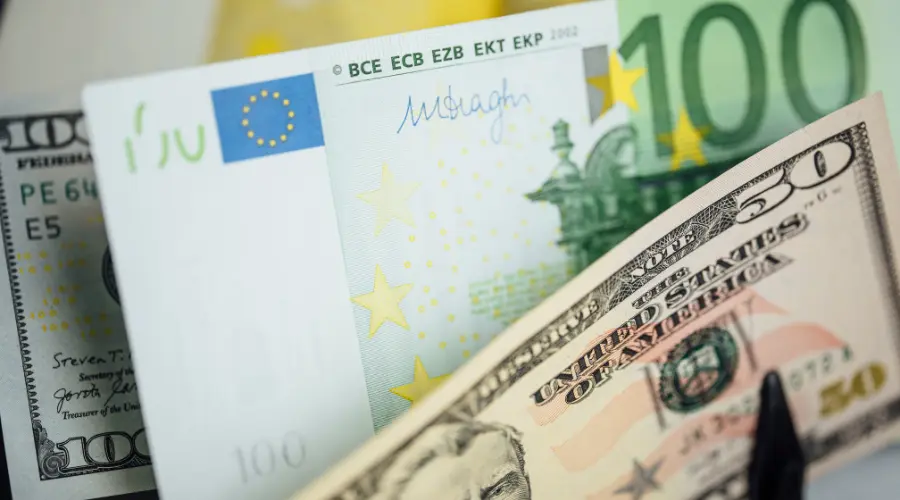
Dollar resilient to peace
The weekend brought another episode of conflict in the Middle East. Despite the exchange of fire between U.S. and Iranian forces, investors did not react with panic, viewing the incidents as part of ongoing negotiations rather than the start of a new phase of conflict.
The market still assumes that the most likely scenario remains the achievement of a lasting agreement, reflected in relatively low oil prices. However, this does not automatically weaken the dollar. A few weeks ago, a drop in geopolitical tension would have been seen as an argument for faster U.S. interest rate cuts.
Today the situation looks different. After the June Fed meeting, investors are much more cautious about a monetary easing scenario, and part of the market still allows for the possibility of even two rate hikes. With falling inflationary pressure – and expectations of U.S. yields remaining – the dollar remains attractive to investors.
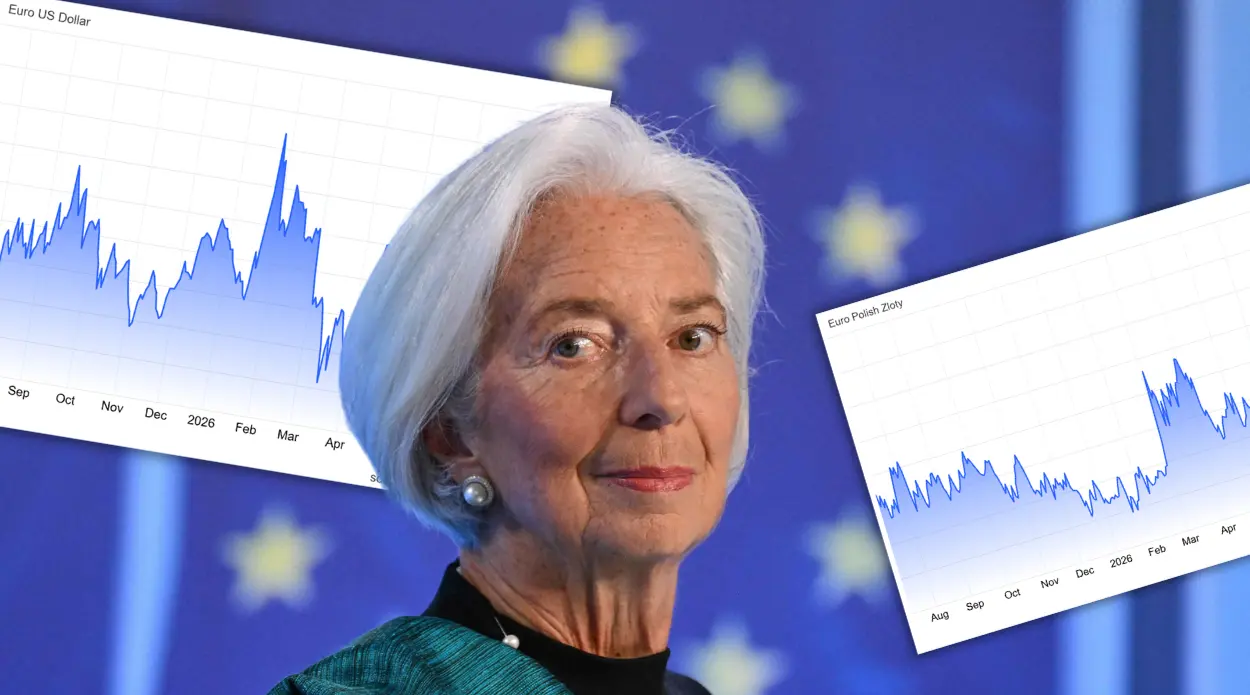
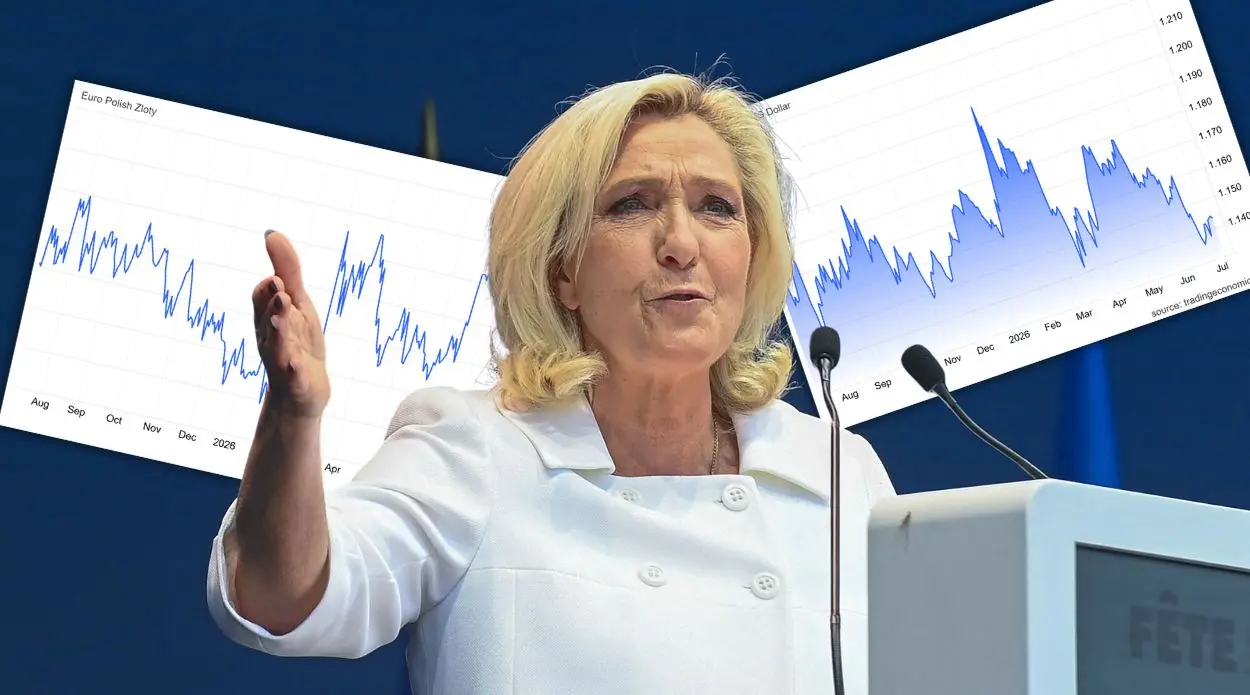
As a result, the U.S. currency stays strong, even though the premium for geopolitical risk has clearly shrunk. Although we have moved away from the local troughs drawn last week, the popular dollar still hovers around 1.14$.
Zloty seeks a defense zone
A strong dollar obviously translates into our currency, which has been in deep defense recently. Some hope for the zloty’s improvement comes from data published last week that confirmed consumption remains a strong pillar of growth, and retail sales clearly exceeded economists’ expectations. Wage data also pleasantly surprised, and the labor market remains stable.
This is an important signal in the context of the recent zloty weakness, which was mainly the result of the global strengthening of the dollar after the hawkish Fed meeting.
Technically, USDPLN has stayed at its highest level for over a year, while EURPLN is again testing the 4.29 zloty area – a level that previously effectively halted currency gains. If further domestic data confirm the current picture, they could become an argument for zloty stabilization.
At the same time, the market cautiously approaches expectations for NBP monetary policy. In the face of solid data and ongoing uncertainty abroad, the space for a quick return to rate cuts seems currently limited.
Not just war
After weeks dominated by geopolitical events, investors’ attention is slowly shifting back to macroeconomic data.
The coming days will bring PMI and ISM index releases, which will assess the condition of industry on both sides of the Atlantic, as well as an early reading of inflation in the euro zone.
The culmination of the week will, however, be the Friday U.S. labor market report, traditionally considered one of the most important indicators for the Federal Reserve.
It is this report that can verify whether the Fed’s hawkish message last week finds confirmation in the data, or whether investors will again start discussing the possibility of easing monetary policy later in the year.
After a period when markets were mainly driven by Middle East news, a pleasant change would be a return to more market-focused analysis.