Warsh however shone with claws
In Sintra Kevin Warsh, Christine Lagarde, Andrew Bailey and Tiff Macklem avoided setting a specific path for rates, emphasizing the importance of flexibility and incoming data.
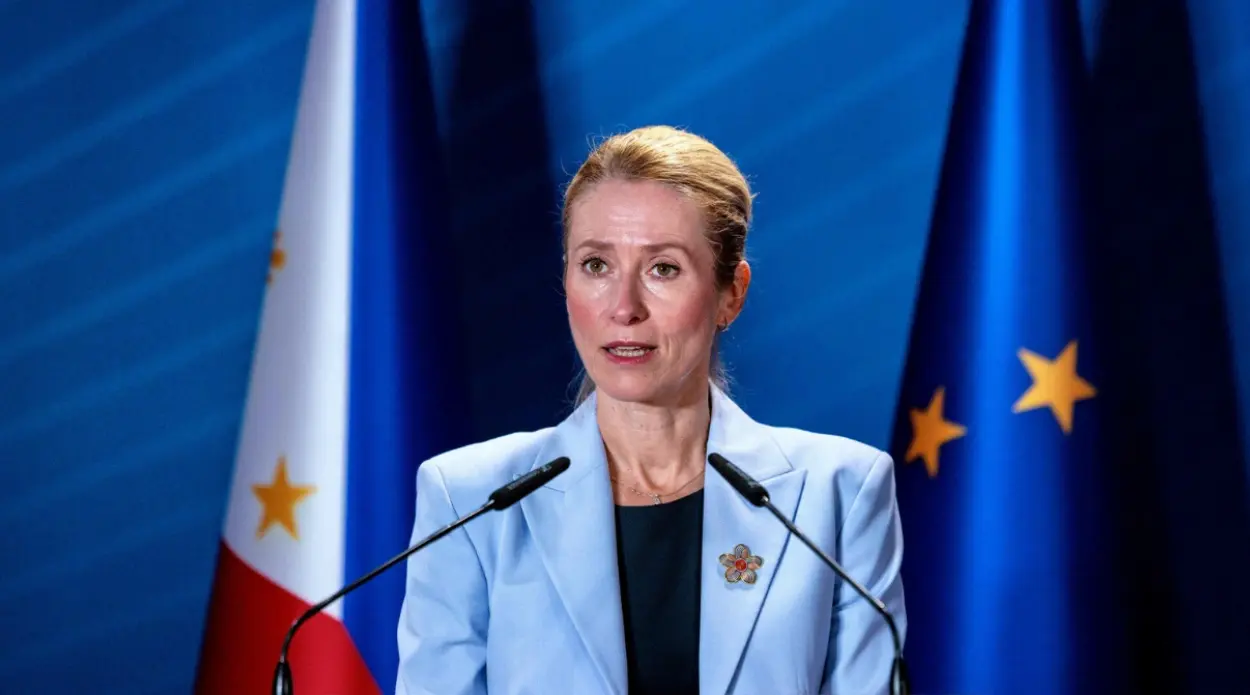
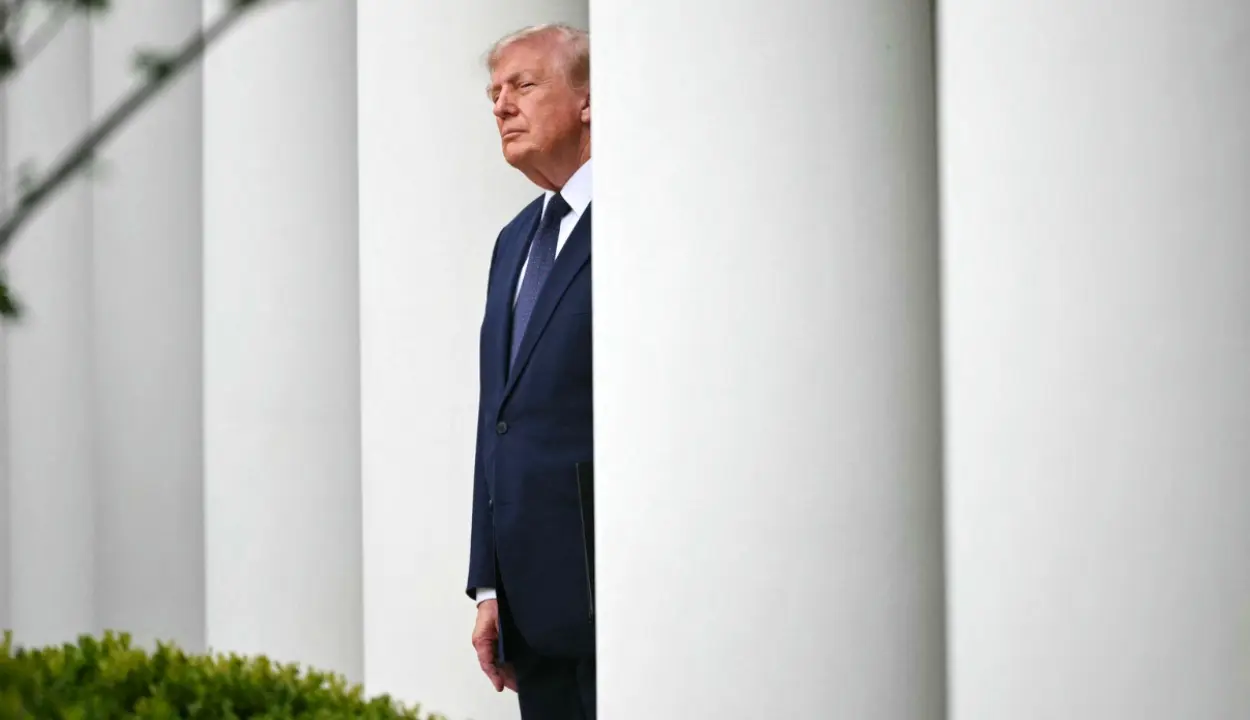
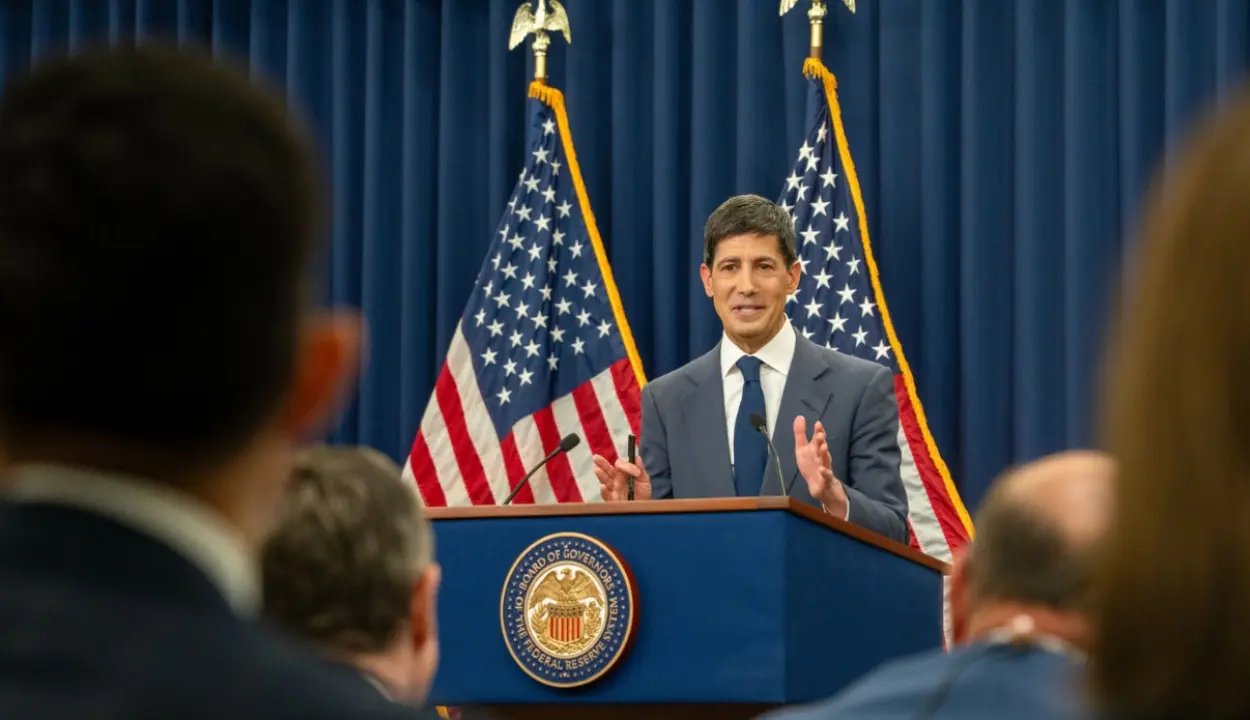
Warsh himself kept a hawkish starting point. He announced that he would disappoint those who expect tolerance of inflation above 2% and again stressed the independence of the Federal Reserve. At the same time he admitted that in recent weeks inflation expectations and the risk of further price increases have fallen. It was the second part of his remarks that proved more important for the market.
During the panel the dollar weakened and gave back some of its earlier gains, and investors slightly limited bets on a rapid tightening of policy. However, this does not mean a return to discussions about cuts.
The benchmark date for the first hike remains September – the market prices the probability of such a move at about 65%. December still remains a possible date for a second step.
Silence is golden
The other panel participants reminded that not all central banks are in the same place. Lagarde assessed that after the drop in oil prices the risk balance for growth and inflation in the euro area became more balanced.
Bailey, however, clearly stated that rate cuts in the United Kingdom have not returned to the table. The common point was therefore not the direction of future decisions, but the reluctance to make promises. Bankers do not want to become hostage to forecasts again, which will have to be withdrawn at the first major shock.
This is understandable, although it is hard to consider silence as an ideal way to build predictability of monetary policy. For the currency market it means greater dependence on subsequent releases.
Strong US data will bring the September hike closer and sustain the dollar's advantage, while signs of weakening inflation or the labor market can quickly reduce the most hawkish valuations. Sintra did not undermine the scenario of further tightening by the Fed, but it showed that the path to two hikes is not yet predetermined.
Now the data will speak
After Sintra the market quickly returns to numbers, and the most important test will come today at 14:30 with the US labor market report. Consensus assumes an employment increase of 110 k, unemployment at 4.3%, and wage growth of 0.3% m/m and 3.5% y/y.
A stronger set of data would support the September Fed hike scenario and leave December in play as the second move date.
Weaker data do not yet have to reverse the direction of monetary policy, but would show that the market has been too eager to add more hawkish chapters to Warsh.
Earlier the unemployment rate in the euro area fell to 6.2%, and Swiss inflation remained low at 0.5% y/y.
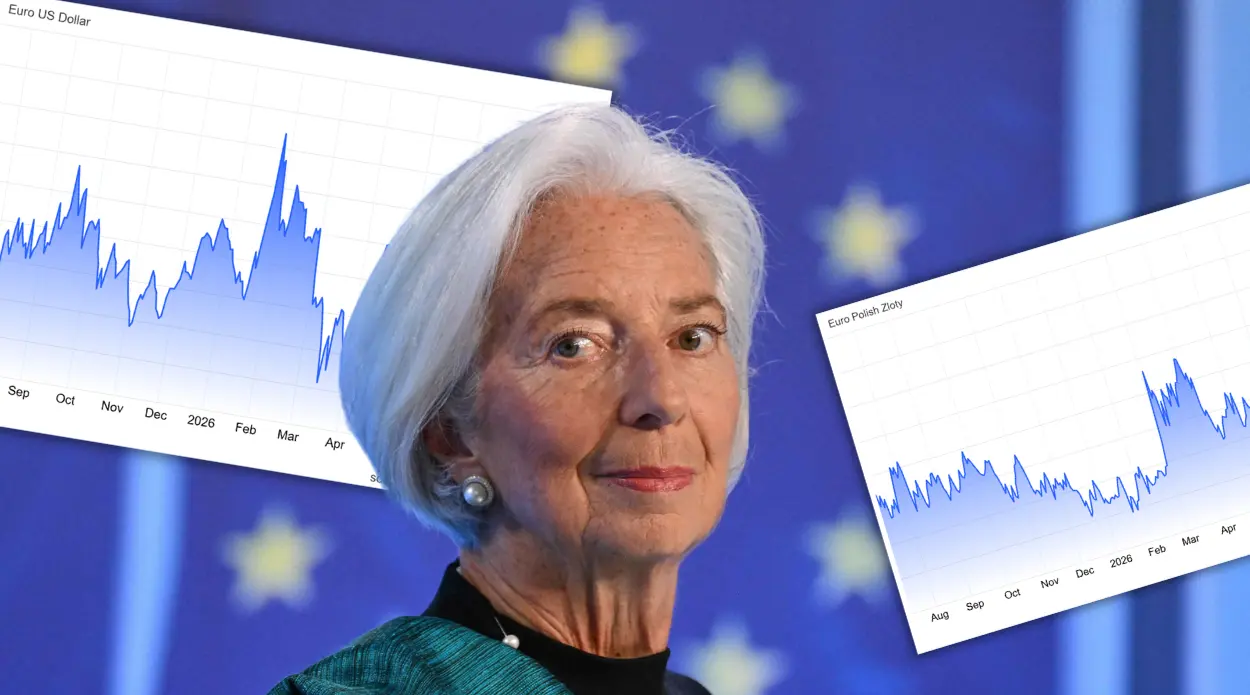
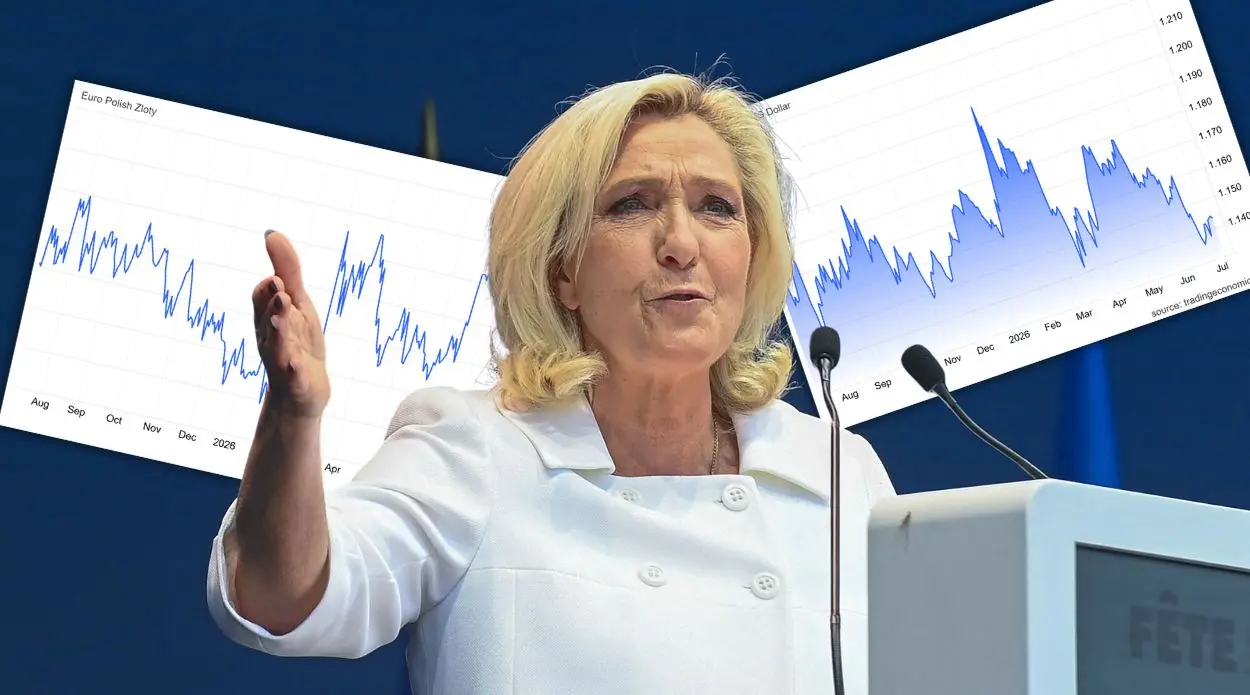
On the currency market EURPLN remains near 4.29, the dollar costs about 3.76 PLN, and EURUSD after a brief rise returns to around 1.14$.
The most excitement, however, comes from the yen.
The sudden drop in USDJPY from around 162.7 triggered speculation of intervention. Formally such actions are ordered by the Japanese Ministry of Finance, and the Bank of Japan merely executes them.
Tokyo did not confirm entry into the market, but apparently deemed it worthwhile to remind speculators of its presence.