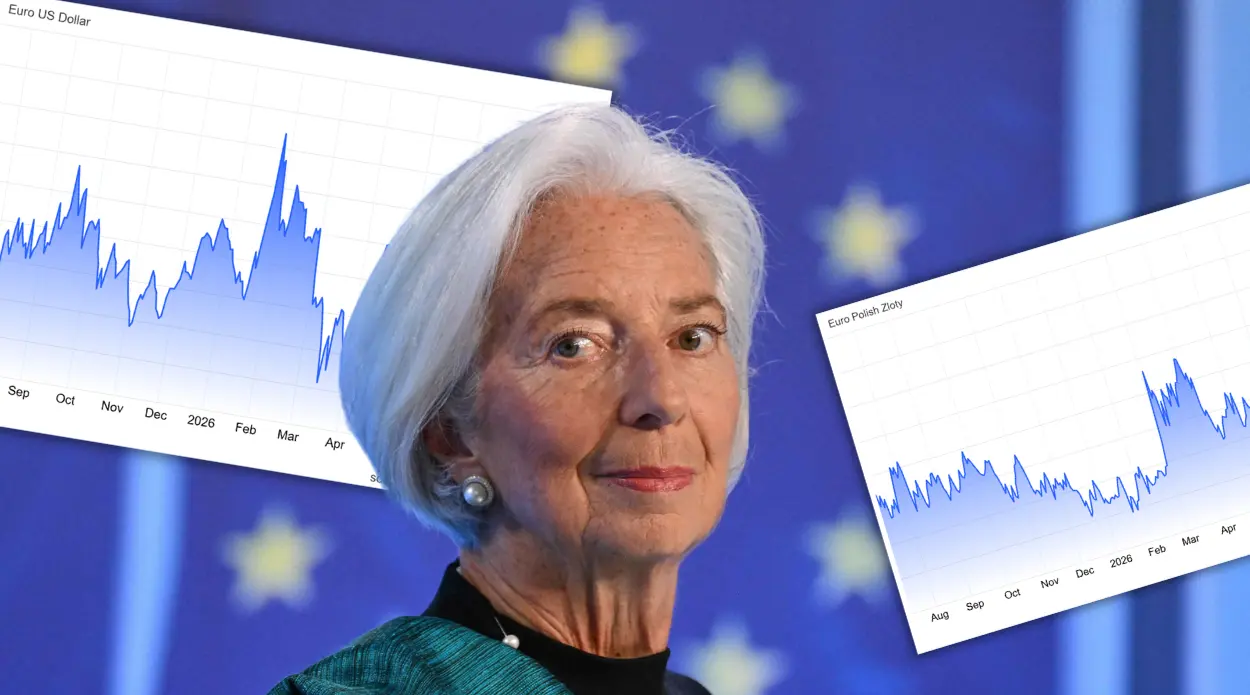
The currency market does not seem particularly concerned with today’s reports. What may be quite instinctive due to military actions that can be interpreted as escalation, the EUR/USD pair is even recovering part of yesterday’s losses.
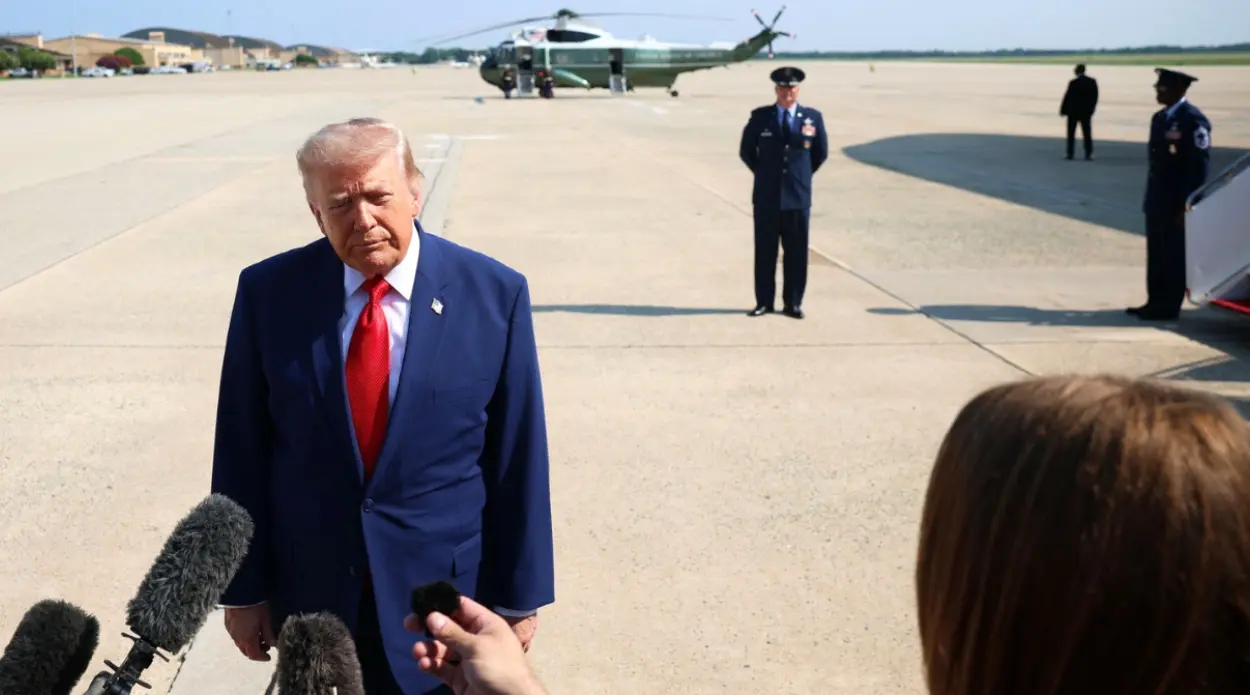
These were also dependent on news coming to us from the Middle East. The dollar was supported by speculation about a return to military actions in case a lasting agreement between the USA and Iran was not reached before Trump’s visit to China, scheduled for May 14-15.
Norges Bank supports the krone
Investors also noted yesterday the first interest rate hike made by a large European central bank. Norges Bank decided on such a move, raising the reference interest rate to 4.25%. In response, the krone initially strengthened by about 0.5%, then gave back some of the gains to continue appreciating in the morning hours. The driver of the moves – besides monetary policy – is, of course, oil price movements.
The hike is primarily intended to anchor inflation expectations, especially in the face of fairly persistent core inflation, which remained at 3% in March, and still elevated wage dynamics that exceed 4% on an annual basis in many sectors.
The continuation of tightening at the June (18.06) meeting is almost fully priced in by the markets. The base scenario represents another upward move in September.
Glapiński avoids hawkish comments
The Monetary Policy Council did not decide on a change in interest rates – in line with expectations. Attention focused on Adam Glapiński’s press conference yesterday. The NBP President seemed to clearly tone expectations regarding RPP rate hikes. However, he noted that the chances of tightening monetary policy in the coming months have increased compared to the last meeting.
The key for the Council remains not a short‑term supply shock, but its transmission to inflation expectations and wage growth, which can lead to increased consumption, creating so‑called second‑wave effects. The President voiced concerns in this regard, pointing out a likely slowdown in GDP dynamics in Q1 and the lowest wage growth in five years.
The zloty’s reaction to the president’s statements was very modest. The Polish currency remains under external influences, supported by Wednesday’s reports on progress in the memorandum between the USA and Iran. Thus it follows the path of other emerging market currencies – especially those with a net energy commodity importer status.
Pound calm in the face of historic Reform UK success
Preliminary results suggest a significantly better outcome than expected for Nigel Farage’s right‑wing party, which clearly leads the race after recalculating votes from 45 local authorities. The elections will allow the selection of over 5,000 councilors in 136 local authorities, including all London boroughs.
From a market perspective, it is primarily a barometer of Labour Party popularity. The key question is whether the growing pressure will lead to an early end to Keir Starmer’s premiership, whose popularity has significantly declined in recent months.
So far, the results are not satisfying for Labour, but bets on Starmer’s resignation before year‑end fell significantly in the morning, which may explain the modest strengthening of the pound, limiting the chances of a scenario in which the UK faces significant political instability.
What lies ahead?
Besides geopolitical issues that remain the main driver of market volatility, attention today is on the April NFP report (14:30), which will be an important test for the dollar.
Most of the data published so far from the U.S. labor market for April does not give us major reasons for concern (though it should be noted that NFP data have liked to surprise significantly in recent years).
Attention is mainly drawn to the most current data – weekly unemployment claims – which last week showed a decline to 189,000, the lowest level since 1969, while remaining at a very low level (200,000). This signals that the U.S. labor market is still in a “low fire‑low hire” stage.
Investors will focus today on three numbers: the number of new vacancies, the unemployment rate, and wage growth. In the face of increasingly vivid inflation concerns, especially important seems this one. Consensus assumes an acceleration of wage dynamics to 3.8%.