Main unmet demand
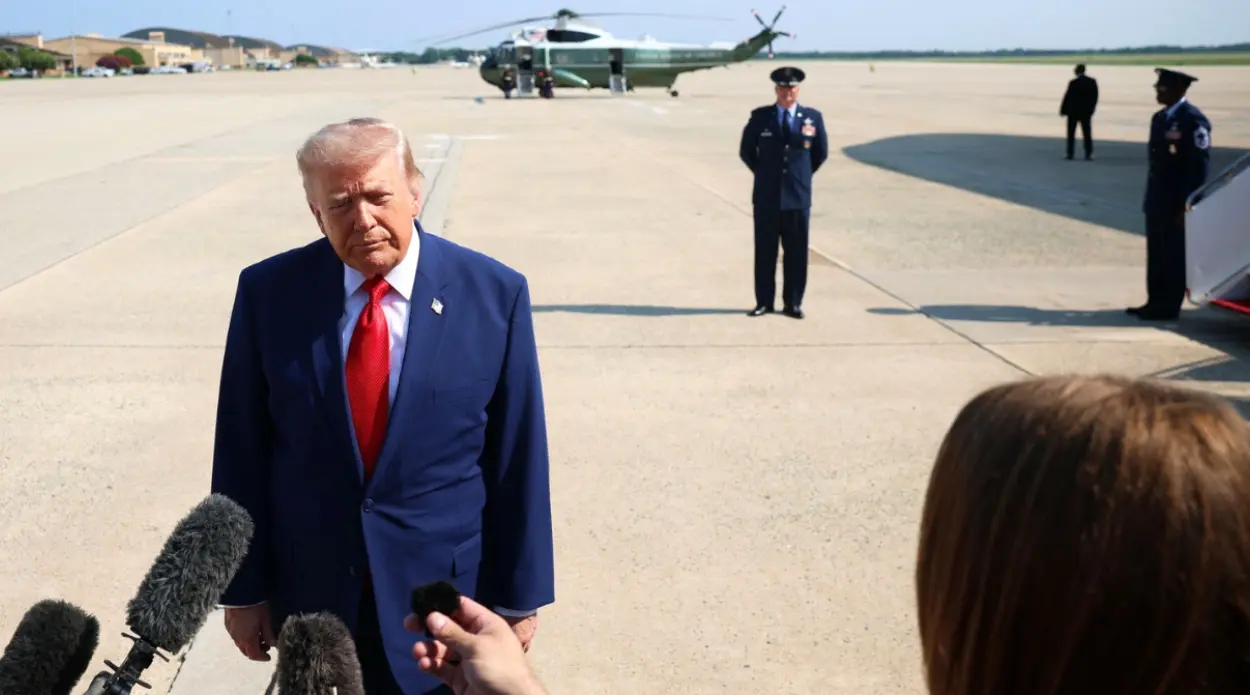
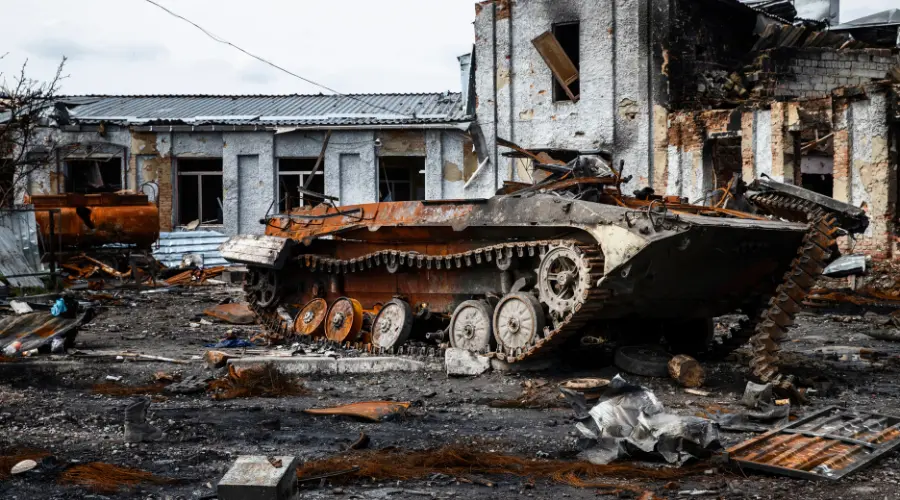
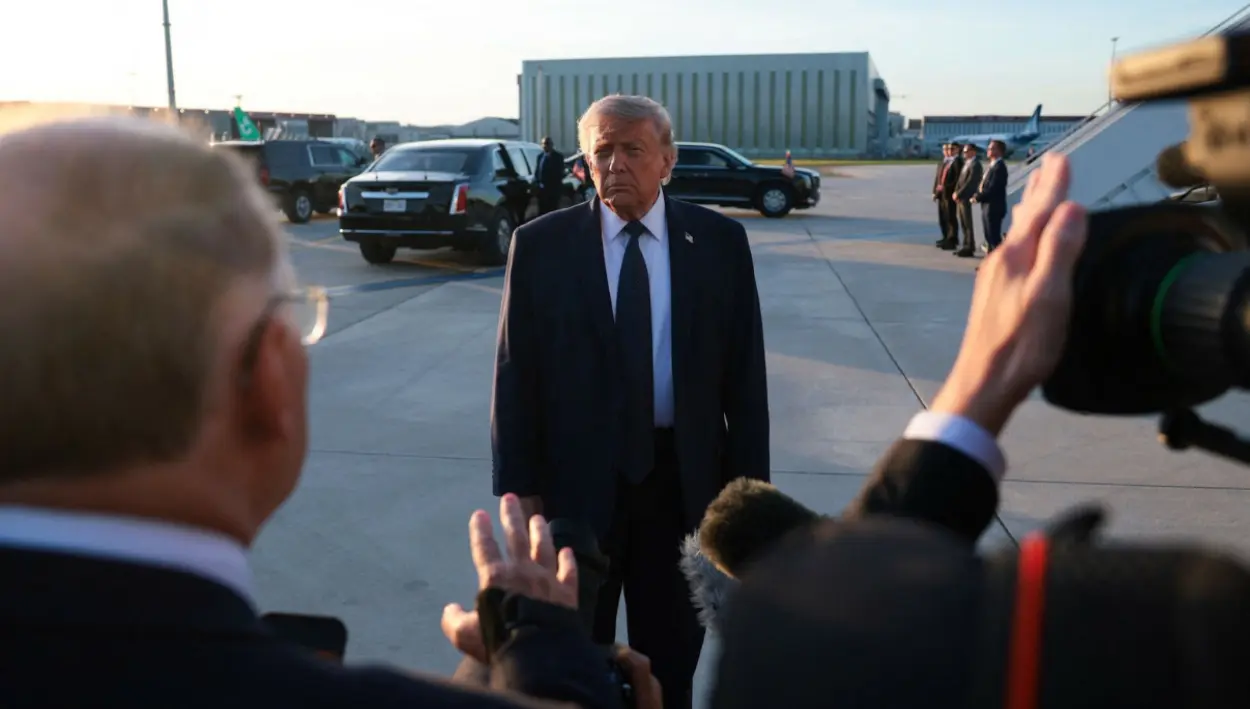
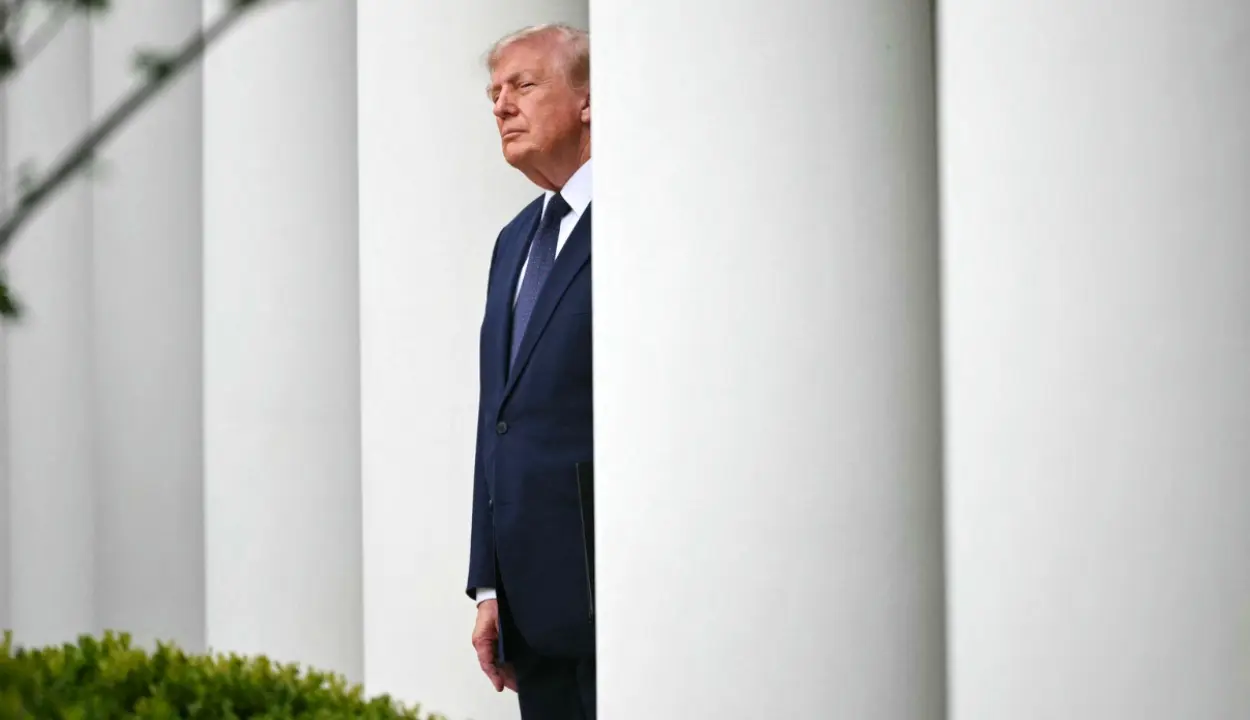
Tuesday markets are again running under the dictation of pessimistic moods. Yesterday's proposal from the Iranian side regarding the end of the war was not welcomed favorably by the Trump administration.
The U.S. President implied that the main point of negotiations remains the end of uranium enrichment and the abandonment of nuclear weapons ambitions. Without resolving this issue negotiations will not move forward. Threats again surfaced that a return to attacks is possible if talks drag on and yield no results.
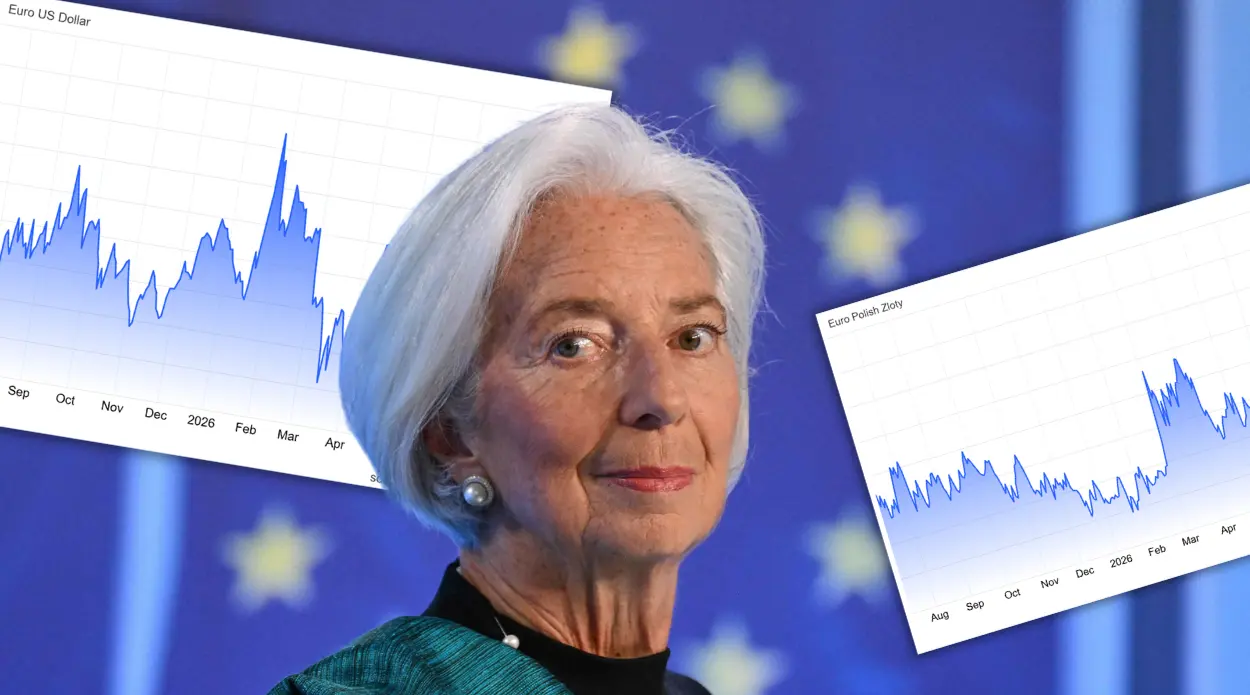
The fragility of the ceasefire is evident even from the resumption of Israeli attacks on targets in Lebanon. The escalation of tensions contributed to a stronger U.S. dollar against the euro (below $1.17), as well as rising oil prices.
We are waiting for June
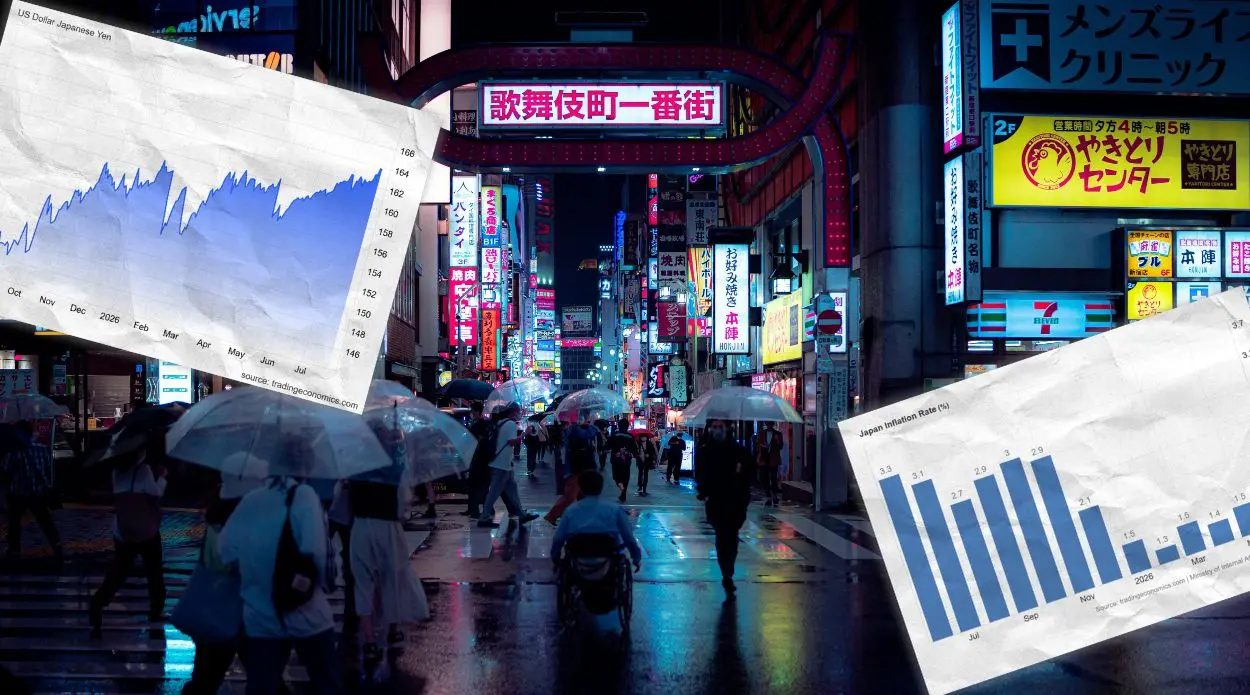
Today the Bank of Japan held its meeting. Most analysts expected rates to stay at 0.75% and there was no surprise.
The surprise could have been the vote distribution – three out of nine members of the committee already favored a rate hike now. It shows how the hawkish camp is growing. The situation is, however, becoming truly difficult. The energy shock that heavily hits Japan could cause inflation to rise.
On the other hand, raising the cost of money could collapse the already weak economic outlook. CPI inflation in March rose to 1.8% from 1.6% seen in February.
In the FX market, the decision alone brought only a slight strengthening of the Japanese yen, which moved away from the “pain” threshold considered to be 160 against the USD (many analysts say the chance of currency intervention rises then).
Looking from a broader perspective – today's change in the vote distribution, taking into account higher inflation, strongly points to a June rate hike scenario.
EUR/PLN below 4.25
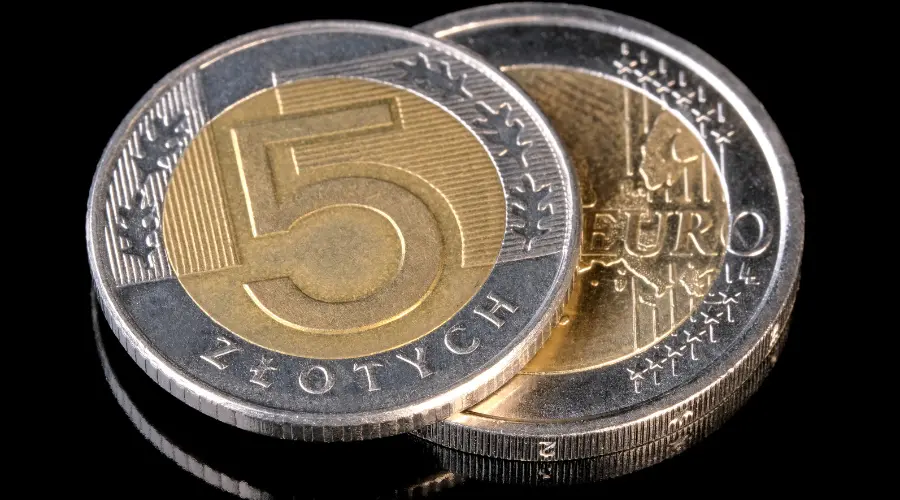
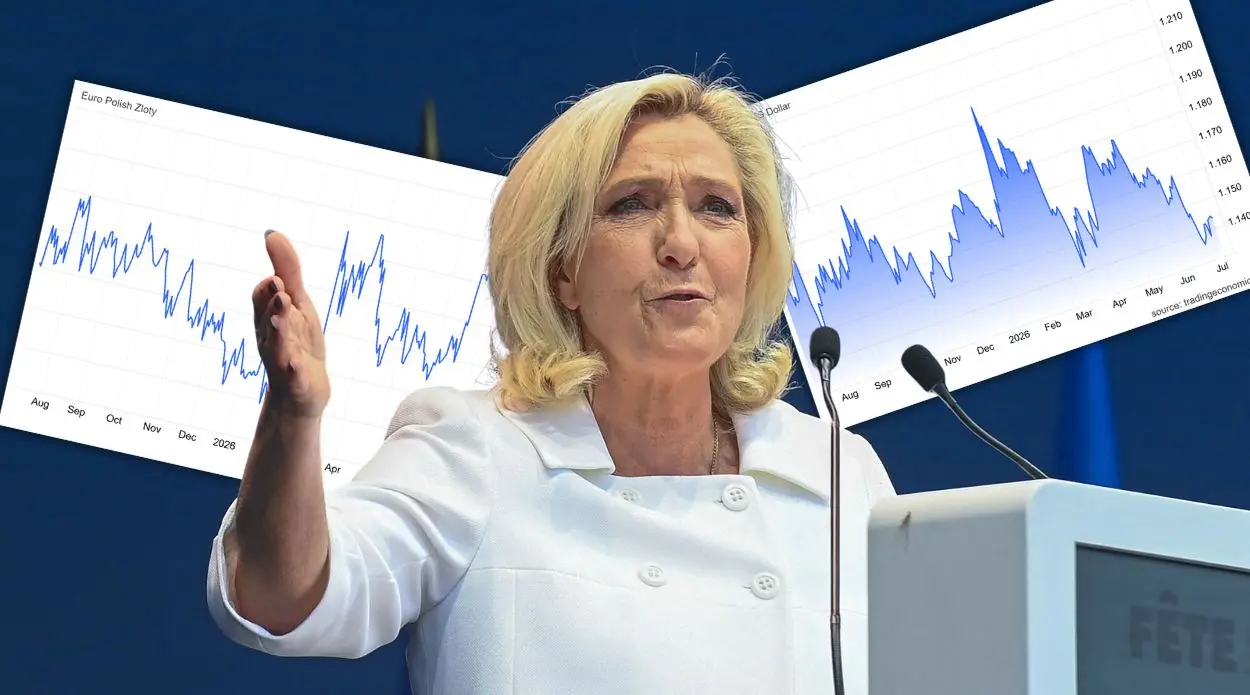
Although today there is noticeable capital movement toward safe havens, we do not see large changes in EUR/PLN rates, which remain below 4.25.
After the outbreak of war in Iran, the zloty came under pressure and we even saw a level of 4.30. However, the situation quickly stabilized on the EUR/PLN pair and there was a slight strengthening, showing that the domestic currency is very resilient to geopolitical tensions.
The foundation remains the strong Polish economy, which – despite rising energy prices – should maintain high growth rates. Today the calendar has few events that could affect the heightened volatility. It seems investors will wait until tomorrow, and perhaps then we will see larger movements in the currency market.