Inflation in the euro zone is clearly lower
The decline was broad: energy inflation fell to 8.7% year‑over‑year from 10.8%, services to 3.2% from 3.5%, and food, alcohol and tobacco to 1.6% from 1.9%. Core inflation, calculated excluding energy, food, alcohol and tobacco, also fell to 2.4% year‑over‑year from 2.6%, easing concerns about entrenched price pressure in core components.
Looking at seasonally adjusted data, signals of momentum slowdown in services are visible – in June the rise was 0.2% month‑over‑month versus 0.3% in several previous months. Core inflation also shows calm – in June it was 0.1% month‑over‑month seasonally adjusted versus 0.2% and 0.3% in the two preceding months.
The data support a scenario of a gentler ECB stance, indicating a fairly quick normalization of inflation after the oil shock and thus reducing pressure for further tightening of monetary policy, although inflation remains above the 2% target for now.
June PMI for Polish industry clearly disappointed,
falling to 46.1 points from 49.4 points in May, against expectations of improvement to around 49.7 points. The reading indicates a renewed deepening of the downturn in industry, mainly due to weak demand – new orders fell fastest in a year, and export orders were weakest since July 2025. A weaker order book translated into lower production, reduced purchases and employment, and higher inventories of unsold goods. A positive element of the report was further easing of price pressure, but the overall tone of the data remains negative.
We approach PMI data with a considerable degree of distance – national industry has been in a phase of moderate recovery since 2025, and literal reading of the PMI, which has been below the neutral level of 50 for most of this time, suggests something quite the opposite. The June reading is taken as a warning signal that normalizing the business cycle in the sector after the oil shock may be bumpy.
Yesterday's US data had a slightly cooling tone
June ISM for manufacturing fell to 53.3 from 54.0, remaining clearly above the 50 threshold and thus signalling a sixth month of sector expansion. The structure was moderately positive: new orders and production still rose, though more slowly, and the employment component improved and is just below the expansion threshold. At the same time a clear signal of reduced cost pressure emerged. A slightly weaker signal also came from the labor market: according to ADP the private sector added 98,000 jobs in June, less than expected and less than 122,000 in May.
Job growth was mainly concentrated in services, especially education and health care, while employment in industry rose by 5,000. Overall the data suggest that the US economy still remains resilient, but momentum in activity and employment is slightly weakening, with easing price pressure. Such a set of readings should be neutral or slightly dovish for expectations of the Fed, though the key market impact will come from today's official payrolls report.
EUR‑USD reacts to low inflation readings in the euro zone and remains hawkish on Warsha
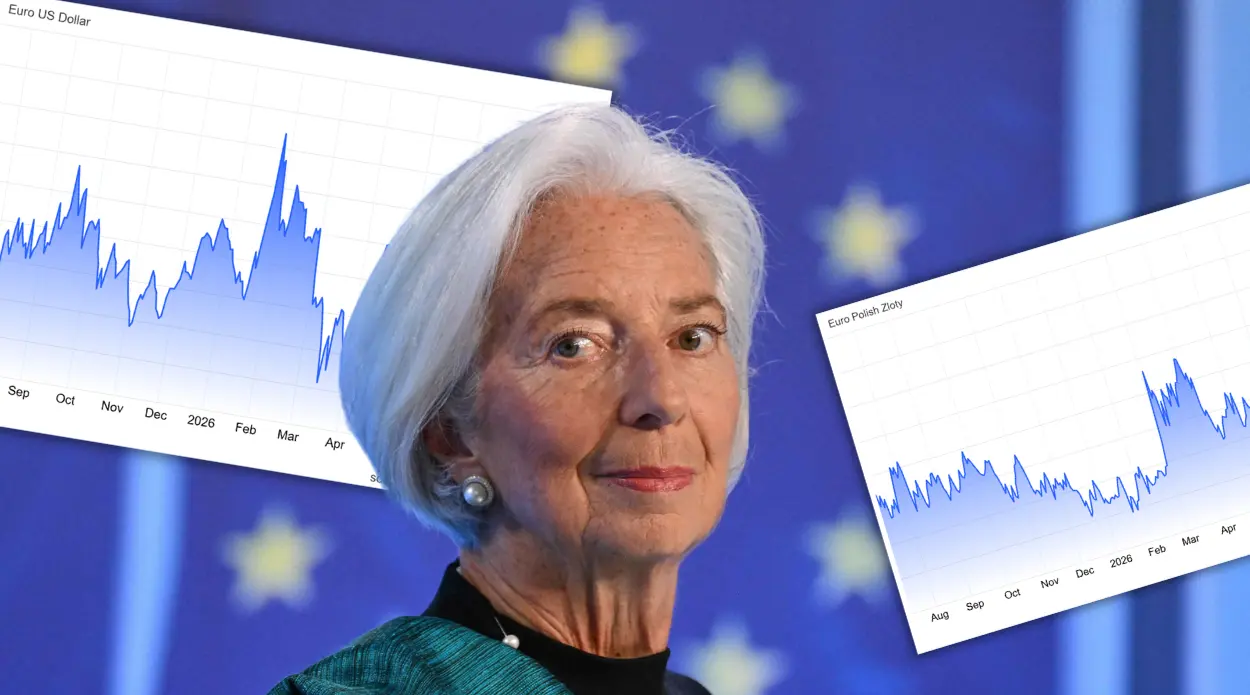
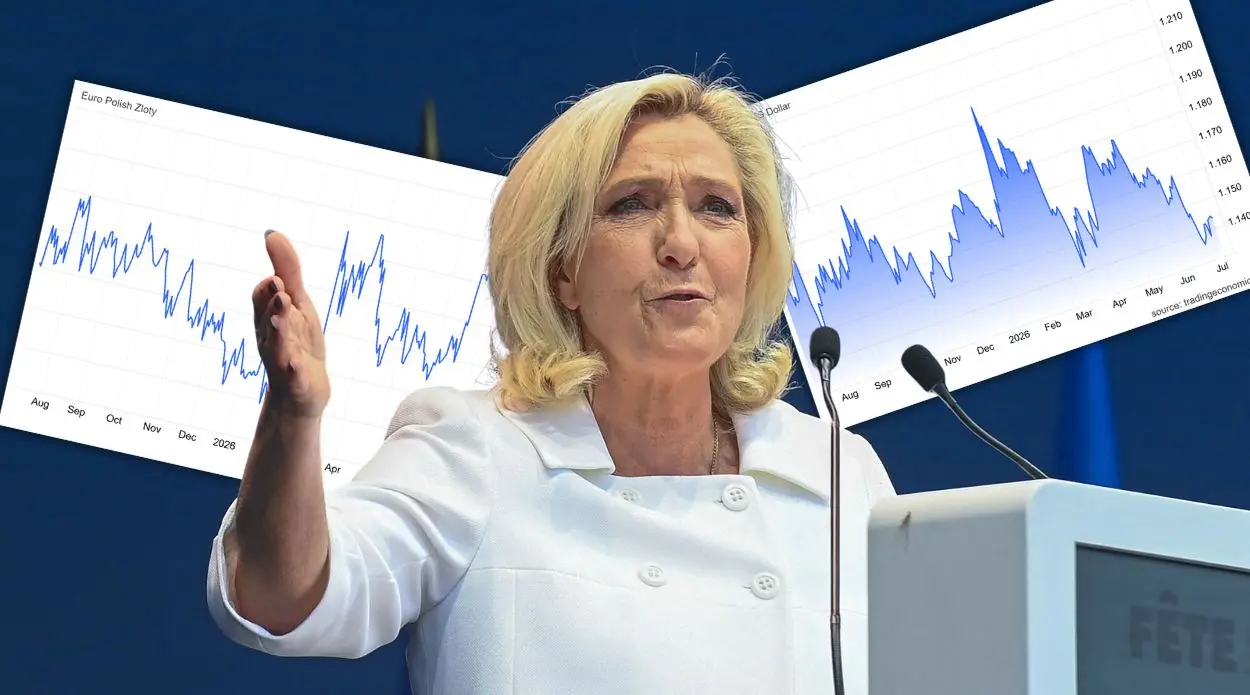
The main pair's rate fell yesterday by 0.4% and closed below 1.14. The euro may have been weakened by a weaker-than‑expected June inflation reading in the euro zone, which limits the possibility of further ECB tightening. Weaker US data (ADP, ISM) also slightly ease pressure on the Fed, but to a lesser extent. At the same time yesterday's appearance of K. Warsha in Sintra still had a fairly hawkish tone and strengthened the dollar.
EUR‑PLN stalls around 4.30
Yesterday the pair's rate temporarily rose above 4.30, but ultimately fell below that level and closed around 4.2930. The zloty strengthened amid a stronger dollar, suggesting that the psychological resistance around 4.30 may be a place for accumulation of bets for a downward correction. National debt was cosmetically strengthened yesterday by 1‑2 basis points. Low yields on national debt do not favor further strengthening, but falling oil prices still support disinflationary scenarios, and thus also falling yields.
Today at 11:00 the unemployment rate data for the euro zone for May will be released
The market consensus assumes the unemployment rate will remain at 6.3%, unchanged from the previous month.
At 14:30 the weekly number of new unemployment benefit claims in the US will be released. The consensus is 218,000 versus 215,000 a week earlier.
At 14:30 the US June labor market report will be released. The consensus assumes the unemployment rate will remain at 4.3%, with a rise in non‑agricultural employment of 112.5 thousand versus 172.0 thousand in May.
At 16:00 we will learn about US May non‑transport goods orders. The consensus indicates a 1.3% month‑over‑month rise, the same as the previous month.
At 16:00 we will also learn about US May industrial orders. The consensus assumes a 2.0% month‑over‑month decline seasonally adjusted after a 4.8% month‑over‑month rise the month before.