Hot on the USA-Iran line
The White House questioned the reliability of information provided by state-run Iranian media after they suggested that maritime traffic through the Strait of Hormuz could return to normal within a month of a temporary peace agreement.
“This information provided by Iran-controlled media is untrue, and the protocol of arrangements supposedly published is a complete fabrication,” the White House said.
“No one should believe it, what state-run Iranian media report,” was added.
Among other key information provided by the Iranian news agency IRIB were reports of a planned lifting by the United States of the maritime blockade of Iranian ports and the withdrawal of the U.S. Navy from waters surrounding Iran.
Oil prices fell in response to the events, bringing Brent down even to a 4-percent discount.
Overall, the commodity price fell this week by over 7% as investors optimistically believe in a deal.
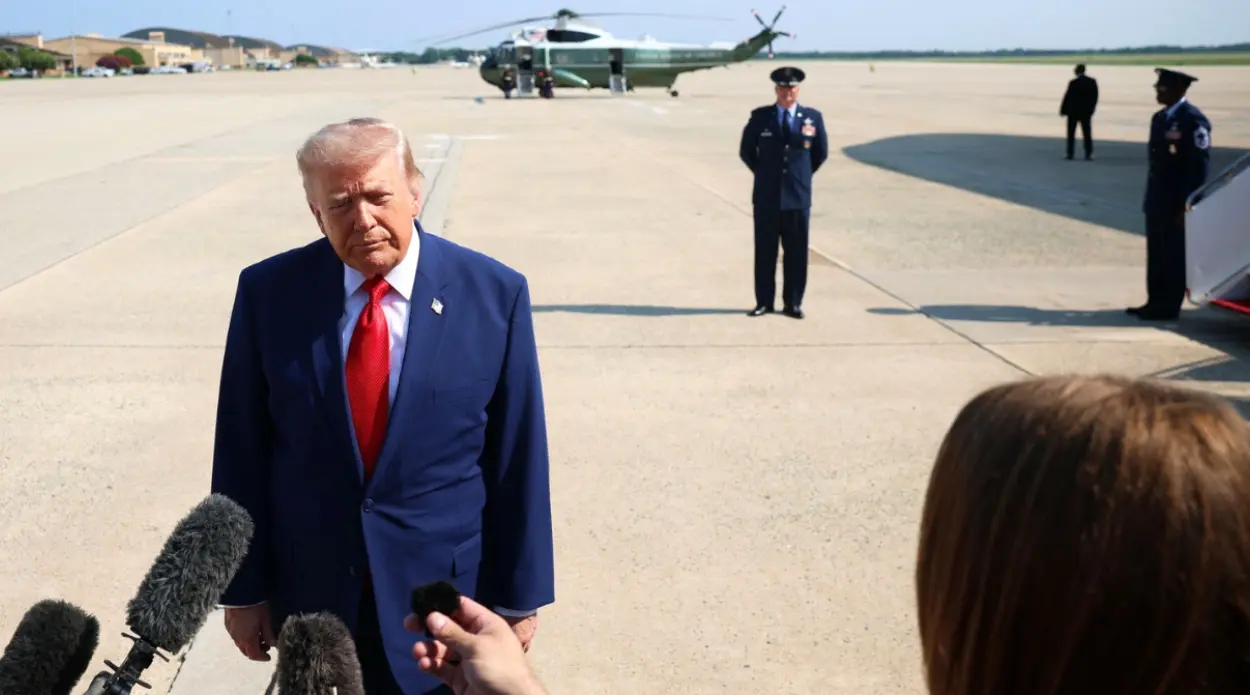
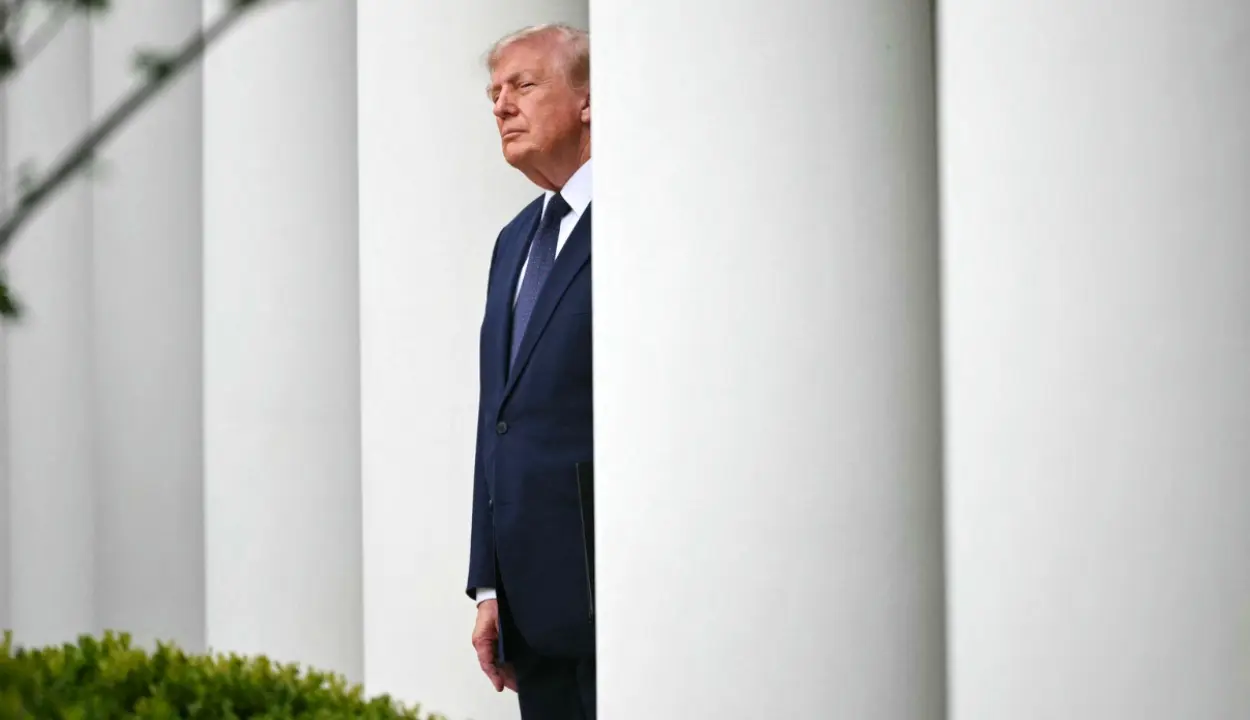
Donald Trump claims, however, that he is not yet “satisfied” with the terms of the agreement negotiated with Iran.
The U.S. President reiterated that Tehran seeks to end the war, but “so far he has not succeeded.”
The United States, in line with the Republican’s announcement, remains ready to resume attacks if no agreement is reached.
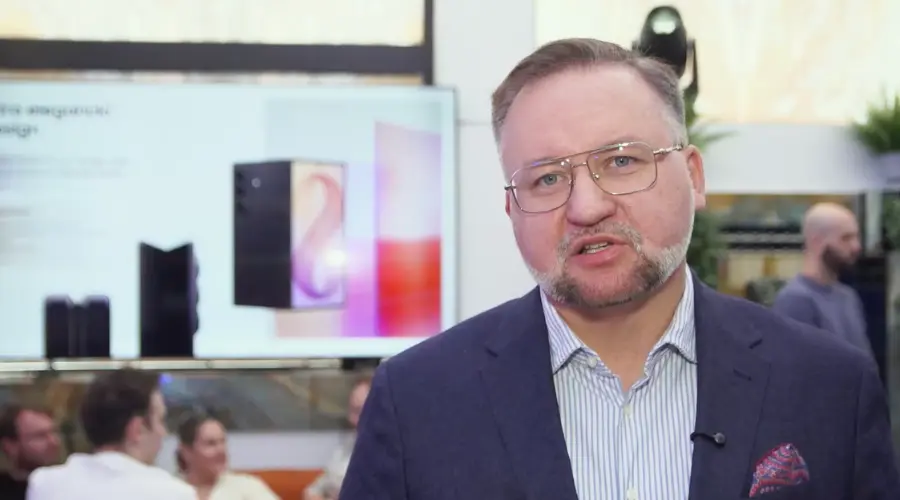
In a conversation with FXMAG, the ongoing stalemate in the Middle East was assessed by Mirosław Budzicki, financial markets strategist at PKO Bank Polski.
“For now, there are no clear statements from the U.S., Israel, and Iran regarding the prospects for further development of the situation in the Middle East. Media reports only highlight the fact of ongoing mediation between the parties,” he said.
Negotiations are difficult, as evidenced by mutual breaches of ceasefire terms. It is worth noting that U.S. authorities have repeatedly emphasized that they are prepared to carry out attacks on targets located in Iran within a few hours. Taking this information into account, the scenario of conflict escalation cannot be ruled out.
“Then Brent oil prices would probably return to around 115-120 USD per barrel. Global risk aversion would also favor a decline in the EUR/USD to around 1.15 and an increase in USD/PLN to about 3.75. However, this is not my baseline scenario,” he added.
The expert highlighted the importance of the negotiations between the United States and Iran.
Despite numerous problems, talks continue, and in my assessment, the escalation scenario does not serve the interests of either the U.S. or Iran. Through limited-point military operations, the United States will achieve little.
For Iran, a long-term peaceful path is much more effective, and in the short term, the most important seems to be ending airstrikes and stabilizing the internal situation.
Mirosław Budzicki stated that the scenario of renewed attacks is raised by the White House mainly to soften Tehran’s negotiating position.
It is still a realistic option. Since mid-May, markets share this view and count on at least a temporary framework agreement that would allow opening the Strait of Hormuz despite unexpectedly unsettling statements from both sides.
For this reason, in the near future I see a more likely scenario of the EUR/USD rate moving toward 1,17-1,18 and a decline in USD/PLN toward 3,59—the expert summarized.
Also read: The dollar’s long-term path to 4 PLN? The expert issued forecasts for USD/PLN and EUR/USD. “The dollar could gain.”
See also: Will the dollar surprise again? The expert issued a forecast for USD/PLN and EUR/USD. “It’s hard for me to believe there will be no more fires.”
Dollar and euro rates on Thursday, May 28
The dollar to zloty rate on Thursday, May 28 is at 3,65 PLN.
Chart. Dollar to zloty rate (USD/PLN)

Source: Trading Economics.
The euro to dollar rate reaches 1,15 USD.
Chart. Euro to dollar rate (EUR/USD)

Source: Trading Economics.
Also read: Dollar before a chance to break out? Expert: “Capital will flow back to USD.”
See also: Dollar before a “nervous and dynamic” move, euro waiting for a fall? Expert issued a forecast for USD/PLN and EUR/USD.
Sources: Bloomberg, BBC.