Macro data – production and wages beat expectations
The macroeconomic data released for Poland in March brought mostly positive surprises, clearly evident in the comparison of readings with forecasts in the economic calendar. Industrial production rose by as much as 9.4% year-on-year, more than twice beating the market consensus of 4.2% year-on-year – the strongest reading since 2022.
However, it is worth remembering that part of this jump is due to weather effects and double-digit growth in the mining subsector, observed for the second month running, suggesting some seasonality to this impulse.
Gross wages grew at 6.6% year-on-year, surpassing forecasts (6.3% year-on-year), which in the context of rising CPI inflation may raise some concern – although inflation expectations remain anchored. On the other hand, PPI inflation surprised in the negative, falling by 0.8% year-on-year versus the expected zero, and construction and assembly production disappointed with a reading of only +0.4% year-on-year against a forecast of +0.8% year-on-year. Employment slightly fell by 0.9% year-on-year, signaling a mild cooling of the labor market.
Consumer pessimist, but with an open wallet – and what this means for monetary policy
The April consumer sentiment index fell to -14.1 points versus the expected -12.3 points, reaching the lowest level since May 2025 – at first glance a concerning signal. However, a far more reliable barometer of consumer condition is what they actually do with money, not what they declare in surveys – and here the picture is completely different.
Retail sales in March surged by 9.8% year-on-year, almost twice beating the forecast of 6.1% year-on-year, unequivocally confirming that Poles are spending money well.
As the chart below well illustrates, the divergence between consumer sentiment and actual retail sales dynamics is currently exceptionally large – sentiment remains in negative territory, while real sales grow at a solid pace. In the long term, there is also no excessive correlation between what Poles say and what they actually do with money.
Market experience has repeatedly shown that consumers can express dissatisfaction and pessimism, while simultaneously consistently increasing spending – sentiment is a psychological category, whereas retail sales are hard data reflecting real cash flows.
Combined with rising wages and strong industrial production, the overall macro data paint a picture of an economy that is decidedly better off than pessimistic headlines suggest.
This simultaneously complicates the situation for the National Bank of Poland – the market currently values the reference rate at 3.56% for six months and about 3.50% on the annual horizon, implying expectations of overall cuts of about 25 basis points in the near term and then a pause.
However, such strong data from the real economy, especially wage and sales dynamics, may prompt the Monetary Policy Committee to adopt greater caution and a slower pace of easing than the market currently assumes.
USDPLN – the zloty seeks direction in the shadow of geopolitics
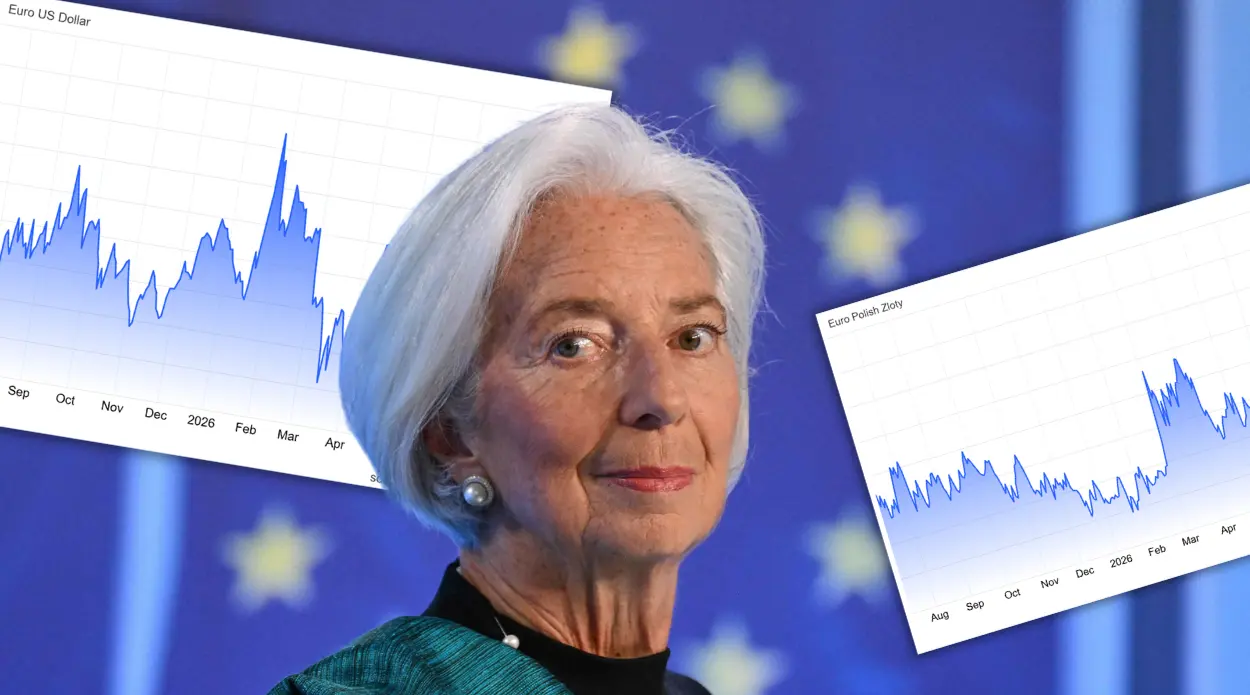
The USDPLN pair is currently consolidating around 3.63, and the zloty remains in a sort of suspension between solid domestic data and the global geopolitical context.
Key support is set at the 3.59 zone, while potential gains should be capped by the 3.62 area.
The dollar is temporarily gaining value ahead of upcoming US–Iran peace talks, but a potential agreement could pave the way for strengthening the zloty even to around 3.55.
In the coming sessions, investors should closely monitor both geopolitical news and signals from the MPC, which could determine the breakout from the current consolidation and set the medium-term direction for the Polish currency.