Wednesday session summary
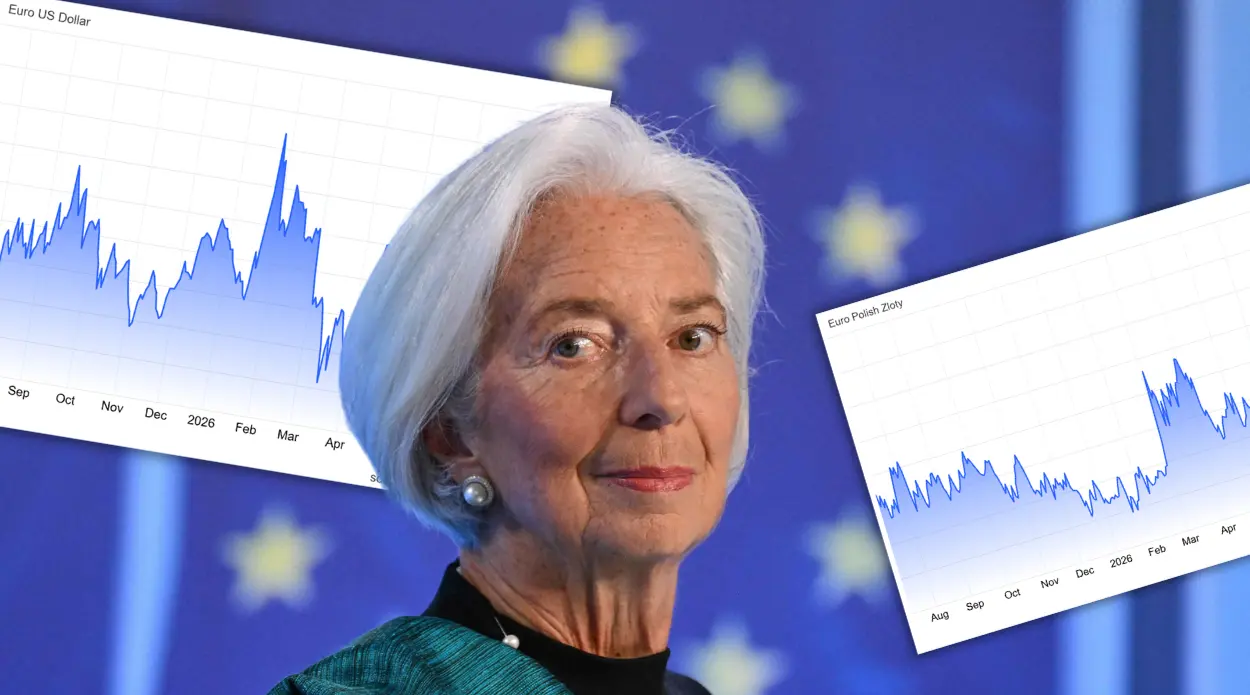
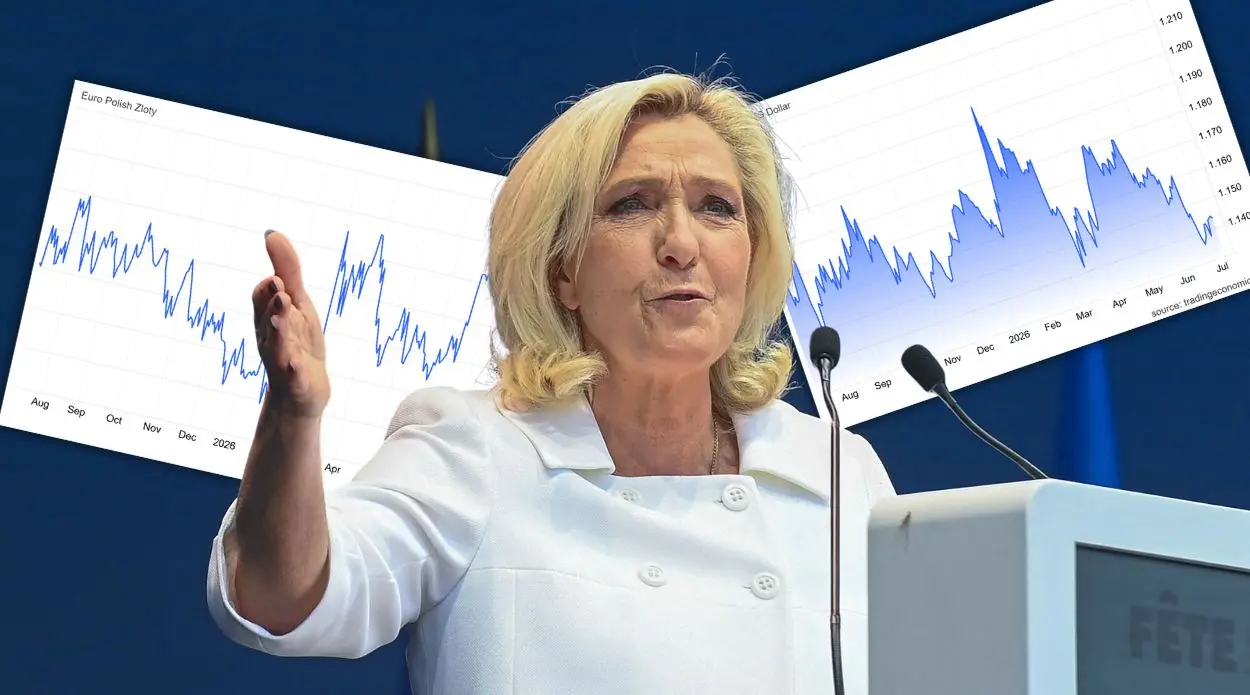
The zloty's weakening occurred in an unfavorable external environment, mainly due to the sixth consecutive day of U.S. dollar appreciation, negatively correlated with the strength of EM currencies. The DXY index reached a 13‑month high against the basket of major currencies, approaching 102 points during the session. Additionally, the domestic currency suffered a clear decline on the Warsaw Stock Exchange, with the WIG index ending the day with a 2% loss.
As a result, the EURPLN rate approached a significant medium‑term resistance zone stretching between 4.29 and 4.3050, and the USDPLN continued to break above the 3.7350–3.7550 resistance zone. A near‑consensus reading from the Ifo institute, depicting German business sentiment, had no noticeable impact on euro prices, and the EURUSD rate deepened its decline below the technical support around 1.14.
And what were investors waiting for yesterday?
Dollar rate – forecast for the coming days
On Thursday, investors will focus on a package of U.S. data, including the final Q1 2026 GDP reading and May PCE inflation figures. This U.S. inflation measure, closely watched by both market participants and Fed policymakers, could influence the current dollar trend.
In our view, the market has largely discounted the expected rise in PCE above 4%, which, combined with a solid labor market, would support market pricing of Fed rate hikes in 2026.
Thus, in the absence of negative surprises in the form of inflation higher than expected, we see potential for a rebound in the already heavily discounted EURUSD and a return of the rate above 1.14.
In such a scenario, the USDPLN rate could retreat slightly below 3.7550. A reduction in pressure on the dollar could also indirectly support the zloty against the euro, pushing the EURPLN rate toward 4.28 or slightly lower.

On Wednesday German Treasury yields fell by 2–5 basis points, and U.S. yields dropped by 5–9 basis points. Domestic SPW yields fell by 2–4 basis points.
Despite partial calming of sentiment on Asian and European equity markets, U.S. major indices fell again, so demand for safe assets remained. Treasuries benefited, and their yield declines supported a clear decline in oil prices after the market saw oversupply signals, a result of increased tanker traffic through the Strait of Hormuz.
As a result, inflation expectations in the United States and Europe continued to decline, with U.S. short‑term expectations at 2.09%, clearly lower than the period just before the Middle East war. However, it should be noted that market pricing of the Fed rate path still assumes an increase of over 25 basis points by the end of the year. In the domestic FI market, the event of the day was the last regular auction in June, where the Ministry of Finance placed the entire pool of offered bonds (12 billion PLN) with demand exceeding 15 billion PLN.