Situation in the Middle East is a source of uncertainty for interest rate and currency forecasts
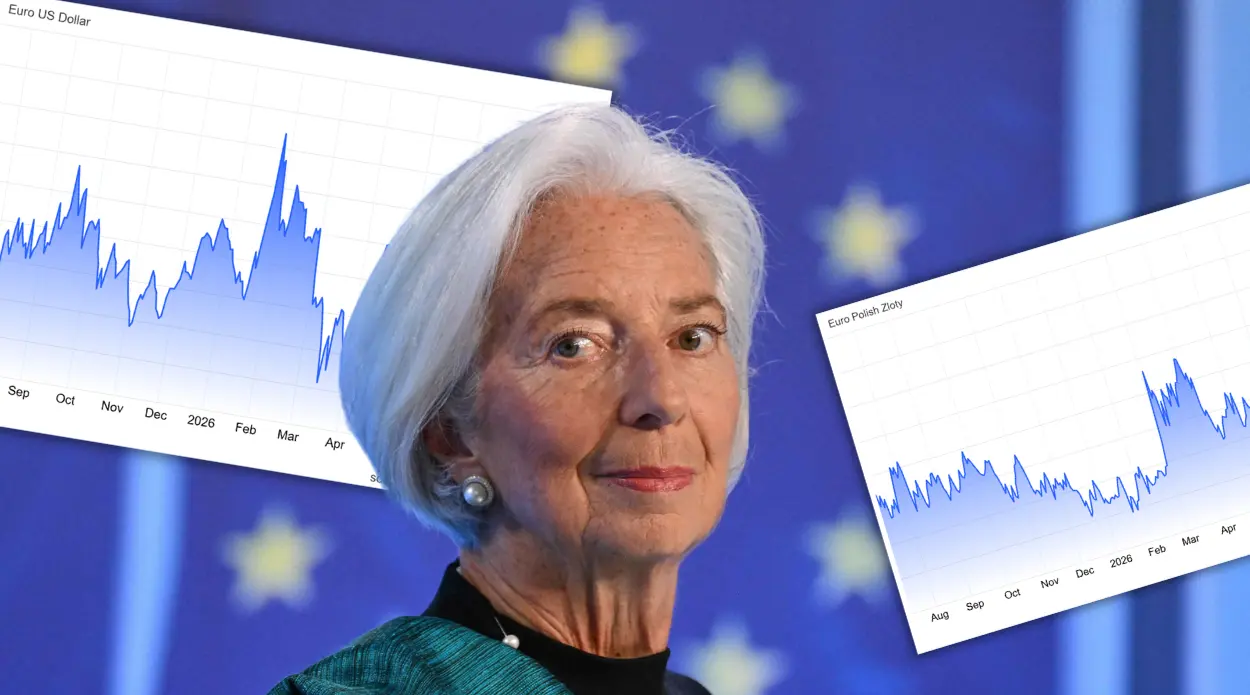
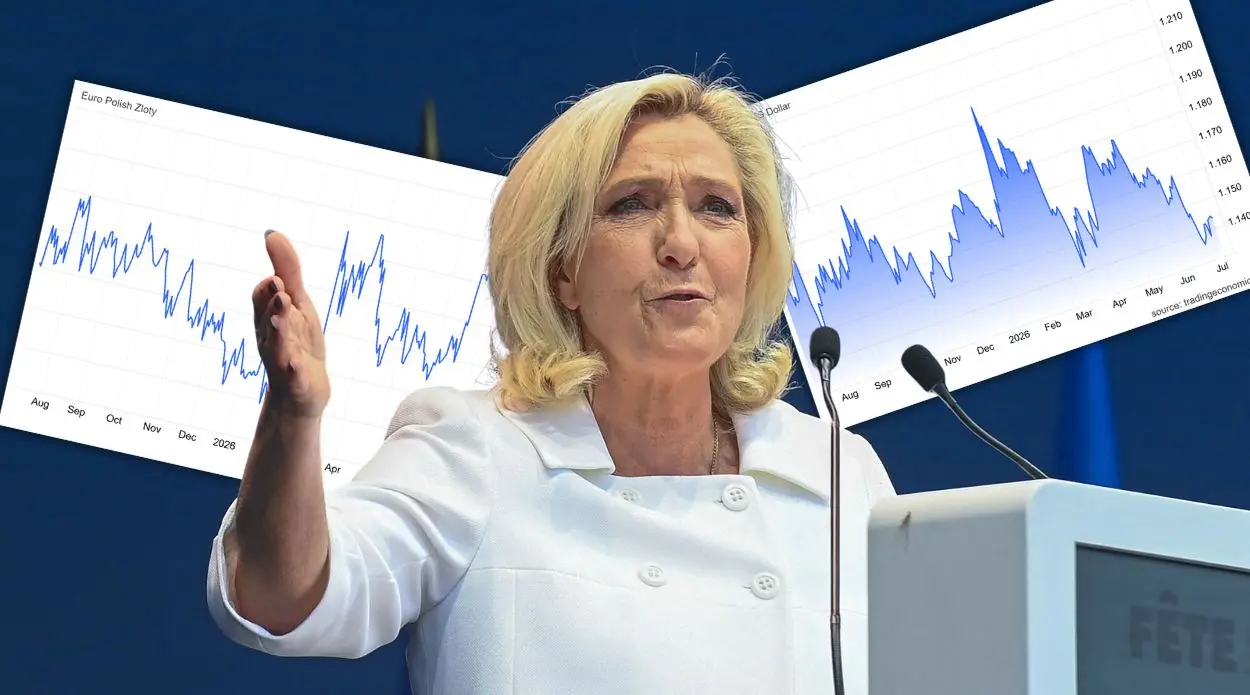
We also expected that by the end of 2026 the EURPLN rate would reach 4.18 compared to 4.21 at the end of 2025, and by the end of 2027 it would fall to 4.15.
The situation in the Middle East signals an upward risk for our interest rate forecast and for EURPLN and USDPLN in the near quarters. We discussed broader implications for inflation, interest rates and currency rates in the MAKROmap on 09.03.2026.
Our revised macroeconomic scenario, taking into account the impact of the Middle East situation, will be presented in the MAKROmap on 23.03.2026.

Wage pressure will weaken
In conditions of a sustained strong labor market, wage pressure in the Polish economy remains moderately strong.
We believe that despite the upward risk to the expected inflation path, the probability of a second-round effect (increased wage pressure in response to stronger price growth) is limited.
Consequently, we forecast that wage dynamics in the national economy will fall to 6.5% in 2026 from 8.7% in 2025, and in 2027 will decrease to 6.0%.

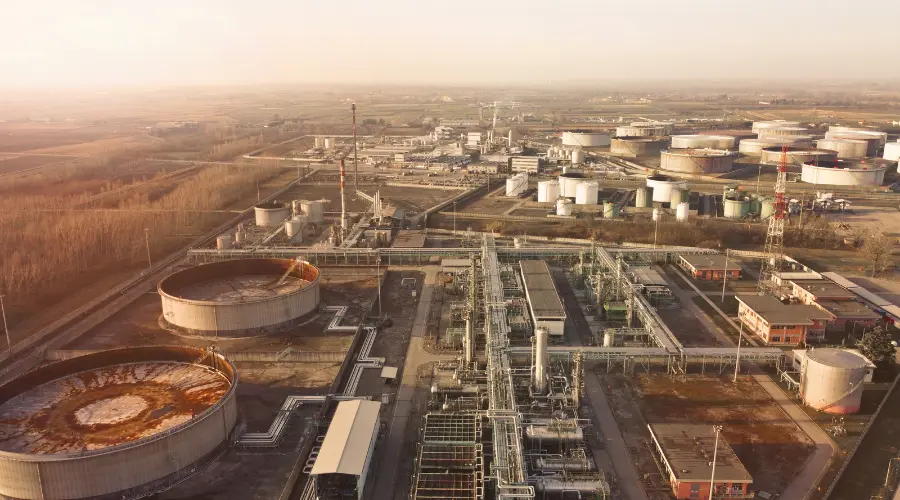
Strong rise in oil and natural gas prices is an upward risk factor for our inflation path
We forecast that in the coming quarters CPI inflation in Poland will remain within a band of deviations from the NBP inflation target (2.5% ±1 percentage point). Its local minimum at 1.8% year‑over‑year will be reached in Q1 2026, while in Q4 2026 it will rise to 2.7%, aided by low‑base effects from the previous year.
Consequently, we forecast that average annual CPI inflation in 2026 will fall to 2.2% from 3.6% in 2025, and in 2027 will rise to 3.0%. We see significant upward risk to our inflation path from the recent strong rise in global oil and natural gas prices.
Domestic demand will remain the main driver of economic growth in the coming quarters
In the coming quarters we expect continued economic revival in Poland, supported by higher activity in the eurozone and increasing absorption of EU funds flowing into Poland under the KPO and Cohesion Fund.
We believe that domestic demand, reinforced by stable consumption growth and investment revival, will remain the main driver of economic growth in the coming quarters. Consequently, we forecast that in all of 2026 GDP dynamics will remain unchanged compared to 2025 at 3.6%, and in 2027 will slightly decline to 3.0%.
We see, however, a downside risk to this scenario related to the tense geopolitical situation in the Middle East.
Currency forecasts: euro, dollar rates