The oil is slightly cheaper in the morning, although the risk of escalation around Iran remains high. The regime in Tehran rejects the possibility of talks with Americans, setting its own five points of expectations, including demanding the cessation of military actions, reparations for damages, and recognition of Iranian control over the Strait of Hormuz.
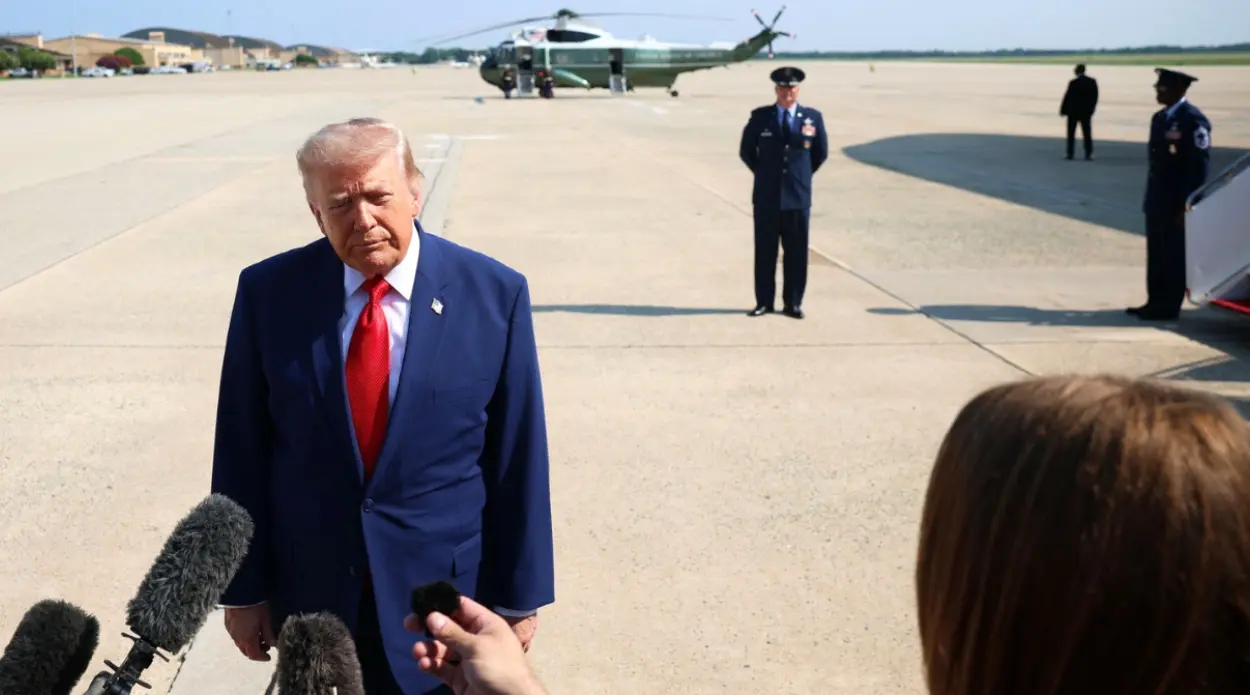
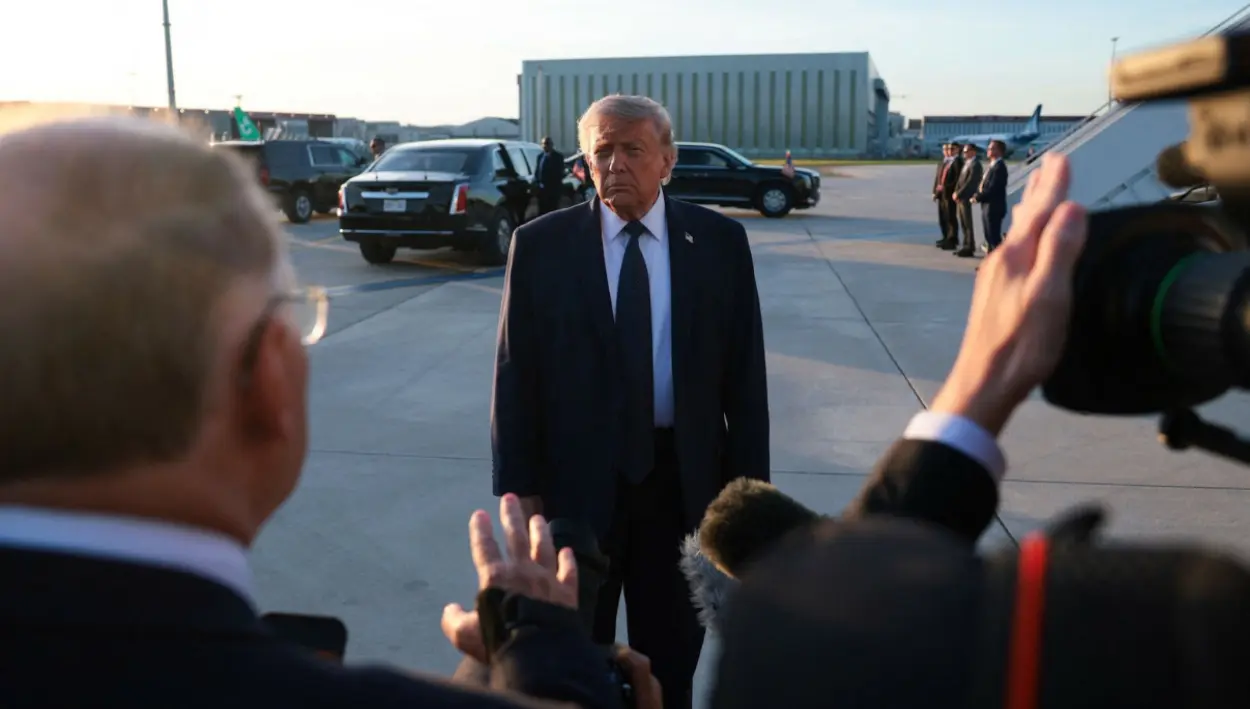
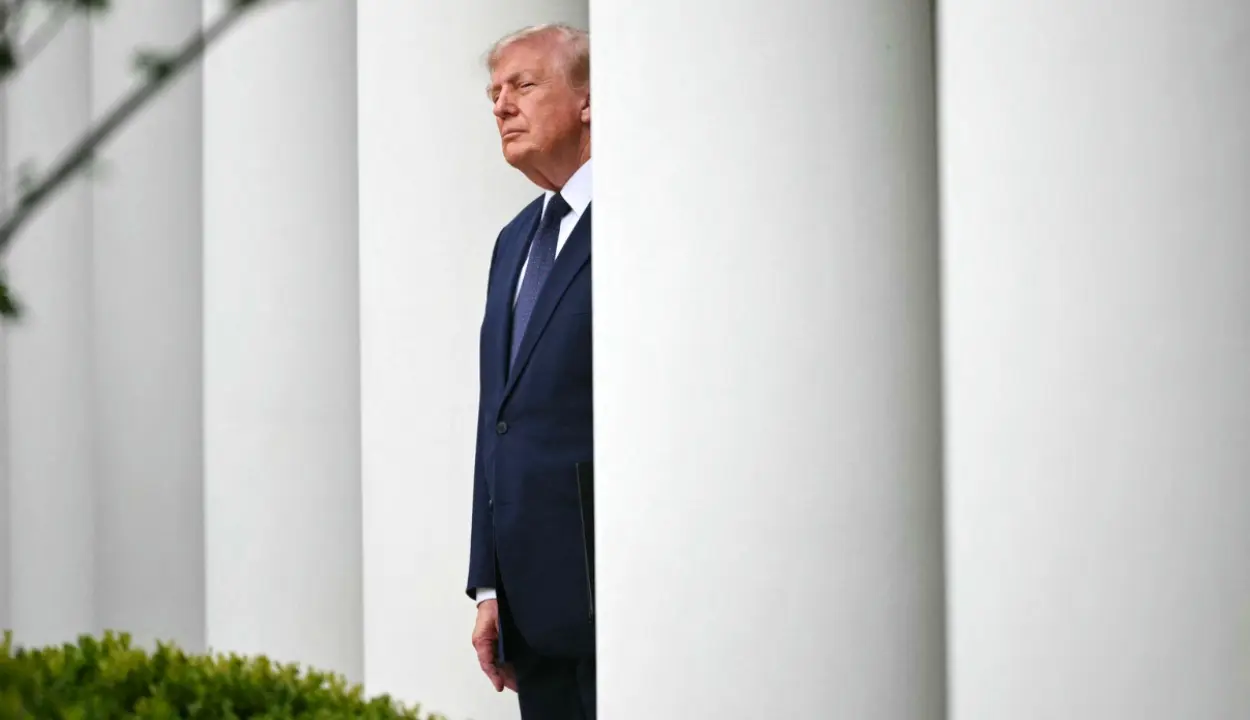
The markets seem to hope that the USA will want to exert stronger pressure on China to "convince" the ayatollahs to talk, although formally Donald Trump has indicated that he does not need help from Xi Jinping. However, as he added, the Iran issue will be a topic of discussion with the Chinese.
Americans are going to the summit primarily for trade goals - the May summit is to be the first of four major meetings in 2026, aimed at reaching long‑term agreements.
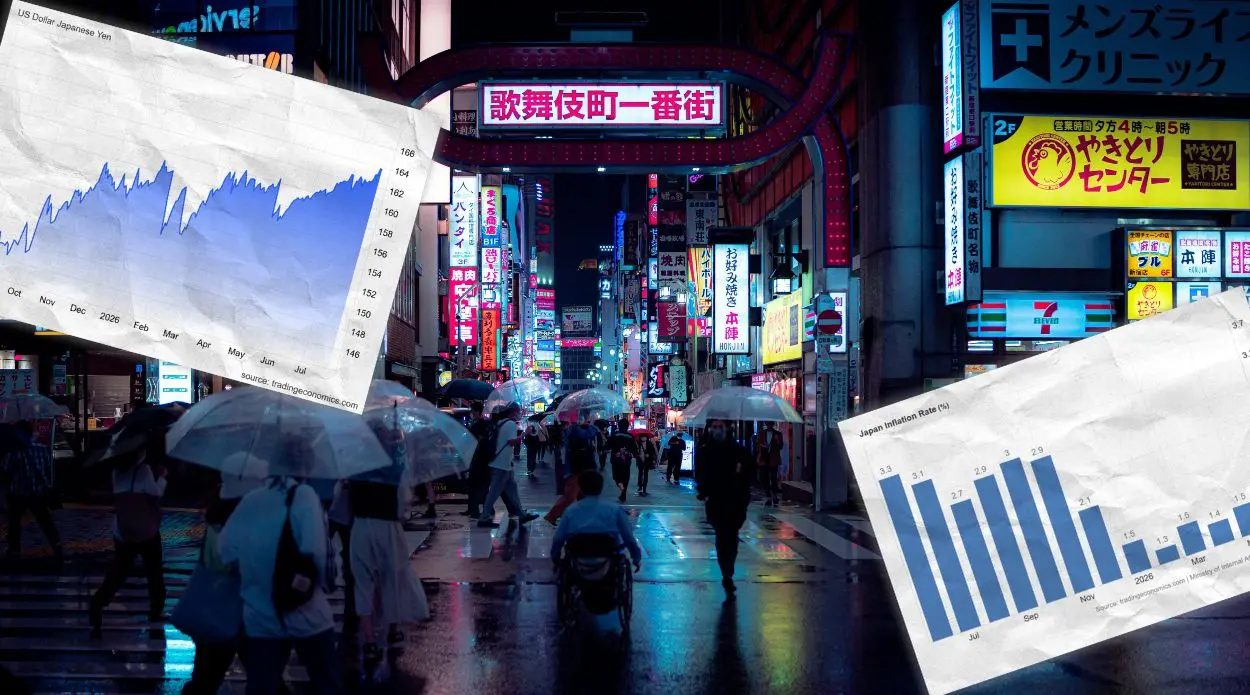
Inflation rattled the USA yesterday - the CPI reading for April exceeded expectations (3.8% y/y and core 2.8% y/y), cooling sentiment on Wall Street (though not for long?) and leading to a dollar rally - the market began to consider a rate hike by the Fed at the end of the year (currently about 30% probability).
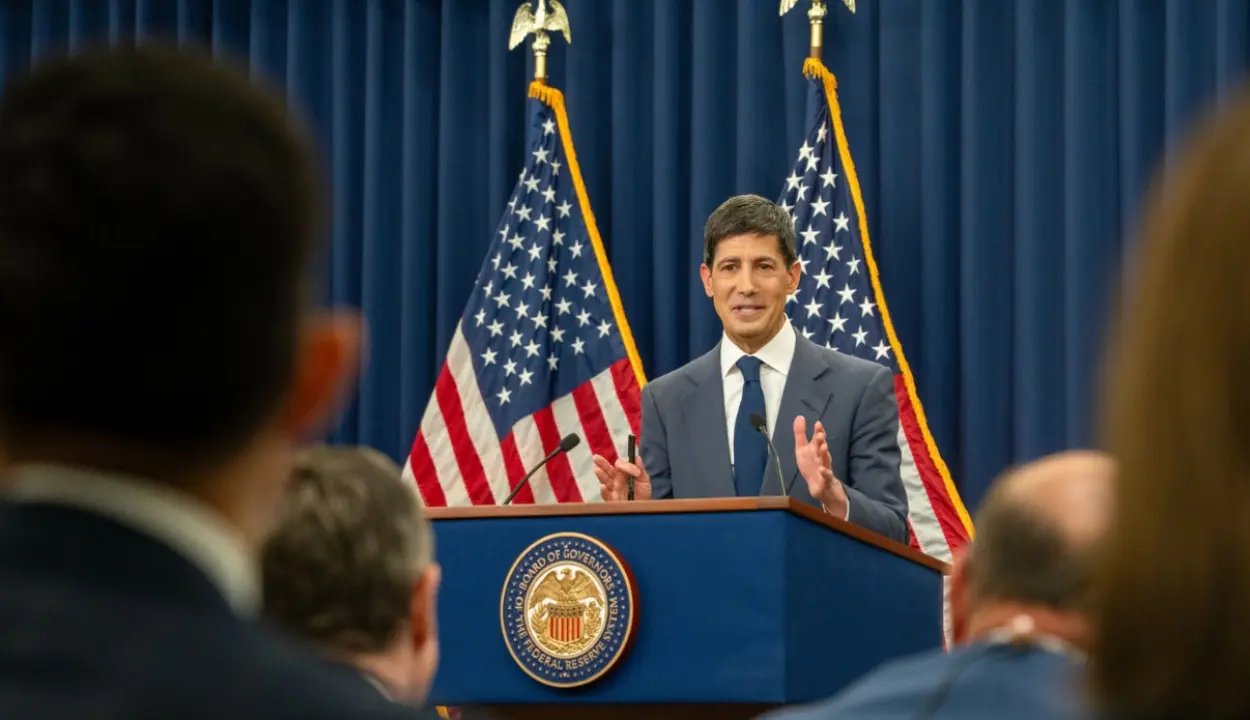
The US Senate approved Kevin Warsh's nomination as Fed governor yesterday; today there will be a vote on the nomination for the Fed Chair - these were expected formalities after the DOJ investigation against Jerome Powell was withdrawn more than two weeks ago.
Prospect of a stronger dollar
Prospect of a stronger dollar in the context of risks for elevated US inflation and geopolitical concerns (the risk of a military solution over Iran increases if the US‑China summit does not lead to certain "agreements" on the matter) will affect the zloty.
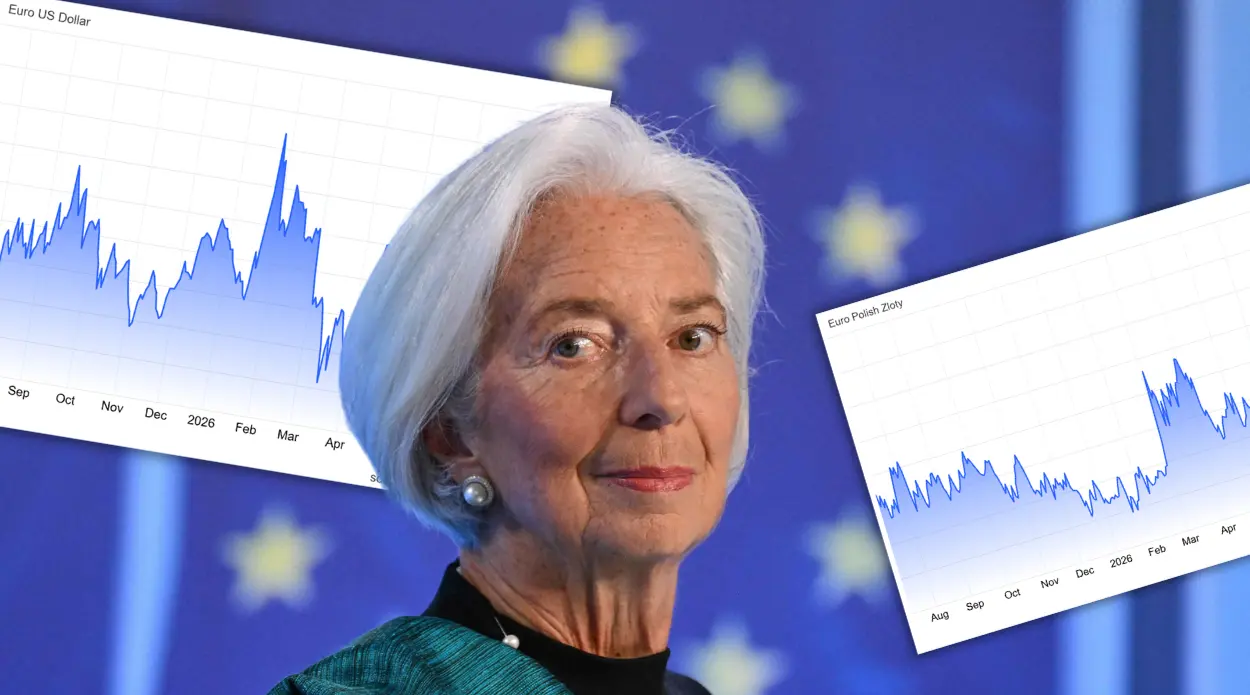
The EURUSD pair may test the 1.17 level today and break it, which will be reflected in USDPLN. Current levels are around 3.6270.
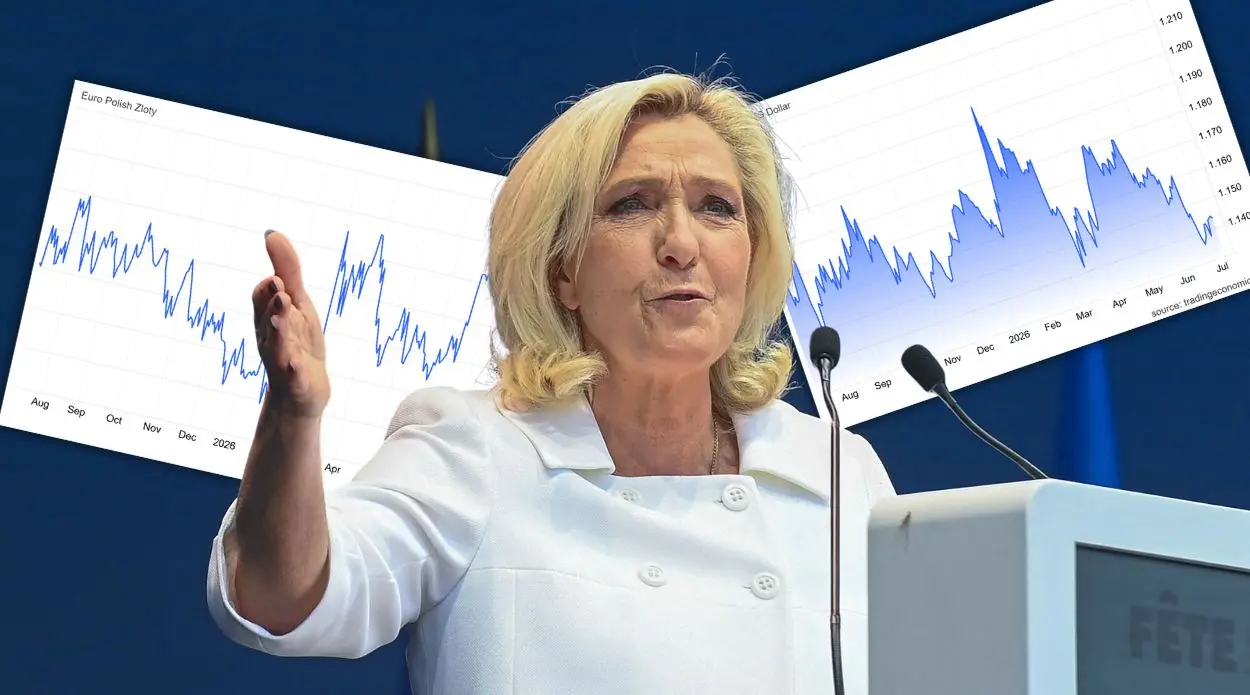
In the case of EURPLN we also remain around yesterday's highs at 4.2490. Regional currencies such as the Czech koruna and Hungarian forint also came under pressure.

Daily EURPLN chart

Daily USDPLN chart