Retail sales in Poland
Yesterday we learned about the data on retail sales in Poland. Year‑on‑year it increased by 9.8%. That is a very good result, especially since a 6.2% increase was expected. In constant prices these jumps are lower – 8.7% and forecasts 5.9%. However, it is worth noting the monthly increase. After a very weak February we had a remarkable March.
The increase compared to the previous month is 20.6%. Why does this happen? First, March has 3 more days. Second, February saw a decline, and March a correction. Third, the preparations for Easter mattered. As a result, yesterday the zloty strengthened against the euro after several days of declines. This happened despite the fact that capital is again fleeing overseas.
Markets fear escalation
In theory everything is fine. We have a cease‑fire. We have peace talks. We also have a two‑sided blockade of the Strait of Hormuz and the passing time. Continuing this conflict only deepens the problems with access to energy resources. This week the cease‑fire was extended, but markets do not treat this as good news.
As a result we have further rises in oil prices. The previous week ended on a wave of optimism around 90 USD per barrel of Brent. Today we already have 105 USD. This shows how much investors are starting to play out a scenario of a prolonged conflict. Analysts thought that since the visit to China was moved to mid‑May because of this conflict, the conflict would be resolved by then. That does not happen.
Capital is fleeing overseas
The past week is definitely a week of capital flight to the other side of the Atlantic.
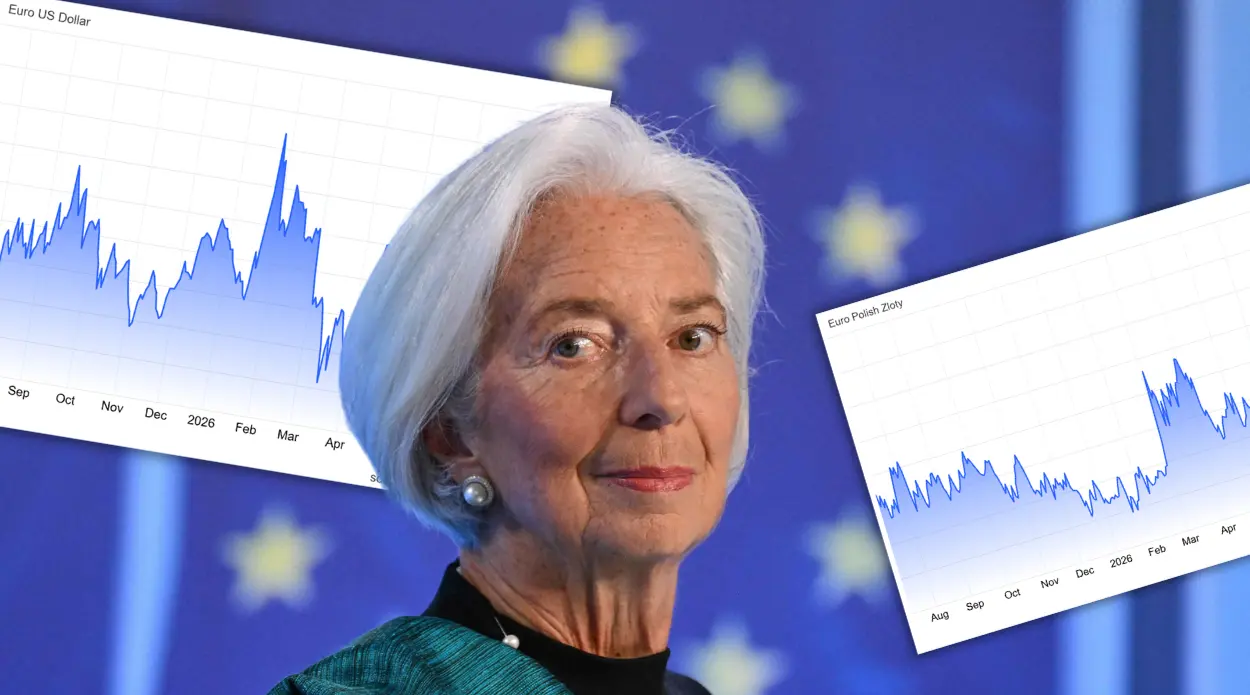
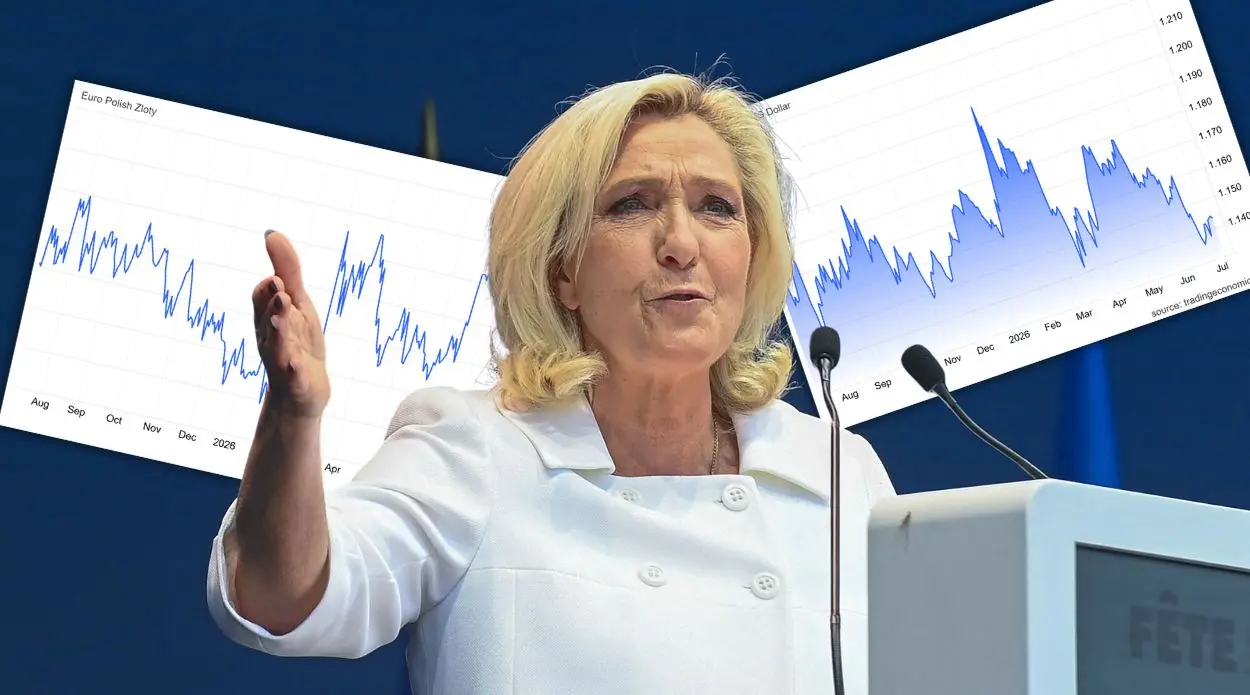
Although the euro‑to‑zloty rate does not show it so strongly, we have about 1.5 cents of weakening since the beginning of the week.
In the case of the dollar it is already 4 cents, and the rate has reached 3.63 PLN. The strength of the capital outflow is also indicated by bonds.
Just a week ago our 10‑year bonds were priced at 5.4%. Today it is 5.65%. This means that a very large package was sold ahead of time. Bonds also fled in other countries, but changes in yields in the largest economies were much smaller. This should not surprise anyone; in difficult times investors prefer to hold U.S. or German debt, not Polish.