MF presents realistic‑optimistic macroeconomic assumptions for 2026‑2030
The stimulants for investment will be the inflow of funds from the KPO, significant public investment, and a low level of interest rates supporting private sector investment. Strong consumption dynamics, on the other hand, mean a decline in the household saving rate, given moderate real disposable income growth.
Regarding the labour market situation, MF assumes maintaining wage growth in the 5‑6% range. For inflation, MF assumes it will be near the NBP target. In the longer horizon, for 2028‑2030, MF forecasts a gradual slowdown of GDP growth to 2.2% in 2030.
The document presents a "gold‑plated" baseline macroeconomic scenario in which the economy grows steadily and inflation is at the NBP target. At the same time, MF points to significant external risks related to geopolitical changes and the development of energy commodity prices.
It is worth noting that all events listed by MF in the "synthetic risk balance" are negative or mixed. This means the baseline scenario presents slightly more optimistic forecasts than alternative scenarios.
The absence of an energy shock in the baseline scenario of MinFin may indicate a slightly weaker GDP pace and higher inflation. However, our GDP forecasts, accounting for the impact of the war in Iran, do not deviate significantly from MinFin’s baseline GDP path, and thus without an energy shock.
Inflation above MF forecasts, and NBP rates underestimated
Our inflation forecasts for 2026 are higher than those assumed by the Ministry of Finance (average CPI 3.5% vs 2.5% set by MinFin), which could theoretically support tax revenue growth, but MinFin lowered VAT and fuel excise. The budget will benefit from a potentially higher inflation trajectory, only in conditions where the energy shock spills over to other inflation basket elements, which we believe will have a limited impact.
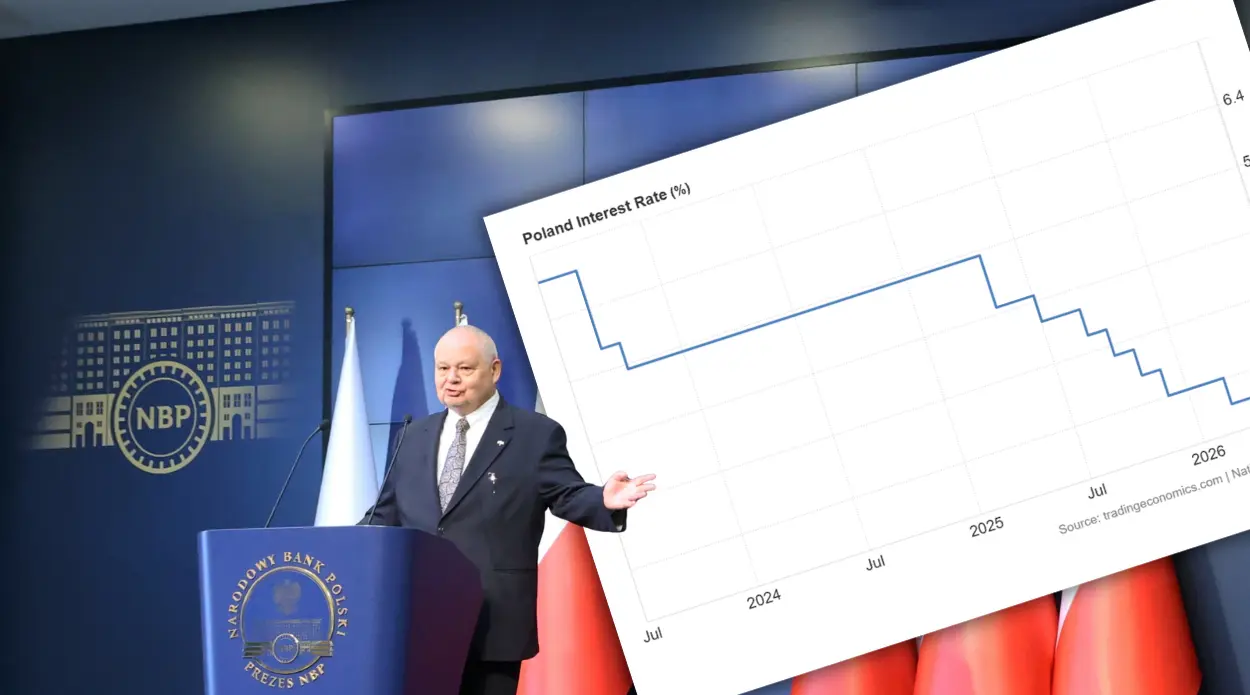
The NBP rate path was adopted based on pre‑war market expectations, and thus is low.
Today the market prices two hikes, while MinFin assumes even one cut in 2026 and one in 2027.
MinFin forecasts that the 2026 deficit will be 6.8% of GDP, in line with our forecasts. We do not see fiscal adjustment in 2027. A point of note is the election campaign. Rating agencies, after lowering rating outlooks (Fitch and Moody’s), are waiting for the 2027 campaign. If additional fiscal expansion occurs, rating cuts are possible.
Public opinion research suggests that voters’ expectations for new social packages are rather low, and consumers remember high inflation, but the election campaign has its own rules.
The government also plans an excise hike on alcohol and sugar fee
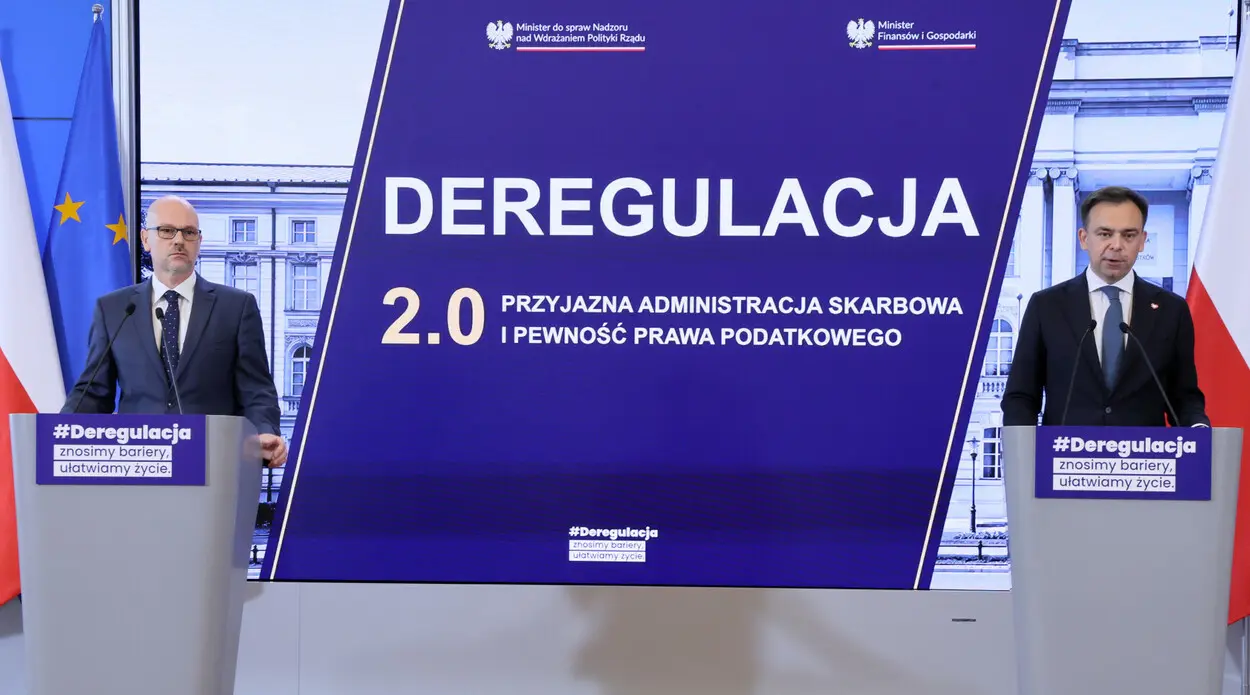
Finance Minister Andrzej Domański announced that revenue from the tax on excess profits of energy conglomerates should exceed PLN4bn. Although the implementation work is still ongoing, the minister expects it to finish "as soon as possible." The tax on excess profits of fuel conglomerates is meant to offset the budget loss from the "Lower Fuel Prices" (CPN) program.
The Ministry of Finance indicates that the cost of tax cuts (excise and VAT) on fuel is about PLN1.6bn per month. At the same time, the government is preparing projects to raise excise on alcohol and the sugar fee. Recall that last year President Karol Nawrocki vetoed a law increasing the excise hike on alcohol.
MF sold bonds for PLN9.1bn
Yesterday’s auction, the Ministry of Finance sold five series of bonds for a total of PLN9.1bn with a demand of PLN11.1bn. The offer range was ultimately set at PLN5‑10bn.
After yesterday’s tender, the gross borrowing needs for 2026 under the budget law are about 49% – the Ministry of Finance reported.
Household saving rate rose to 9.8%
In Q4 2025, household saving in Poland rose to 9.8% of disposable income from 9.4% in Q3 2025 – according to Eurostat data. The average household saving rate in EU countries in Q4 2025 was 13.6%.
BGK will offer FPC bonds today for at least PLN500m
In today’s tender, the National Bank of Poland (BGK) will offer four series of bonds for the COVID‑19 Counter‑Measures Fund for at least PLN500m.