Advertising
Advertising
instagram
Advertising

Inflation in the Eurozone Soars. Will the ECB Raise Interest Rates and Change the EUR/PLN Exchange Rate?

Eurozone HICP inflation rose in April to 3.0% YoY from 2.6% in March, in line with earlier estimates.

Across the European Union, inflation accelerated to 3.2% YoY from 2.8% a month earlier.

The largest positive contribution to inflation in the eurozone came from services, which added 1.38 percentage points, energy with 0.99 percentage points, food, alcohol and tobacco with 0.46 percentage points, and non-energy industrial goods with 0.20 percentage points.

Energy itself rose by 10.8% YoY.
Inflation in the Eurozone Soars. Will the ECB Raise Interest Rates and Change the EUR/PLN Exchange Rate?

freepik.com
Advertising
Aa
Share
facebook
twitter
linkedin

Table of contents

  1. Higher energy costs hit consumers and businesses
    1. ECB may be forced to react as early as June

Higher energy costs hit consumers and businesses

We are now living in a completely different inflationary landscape than earlier this year. Back then the discussion was dominated by rising deflationary pressure and potential interest rate cuts by the ECB.

>>> Read also: Bloober Team and 11 bit studios stocks are soaring. Digital Dragons awards given. Did the market reward the winners?

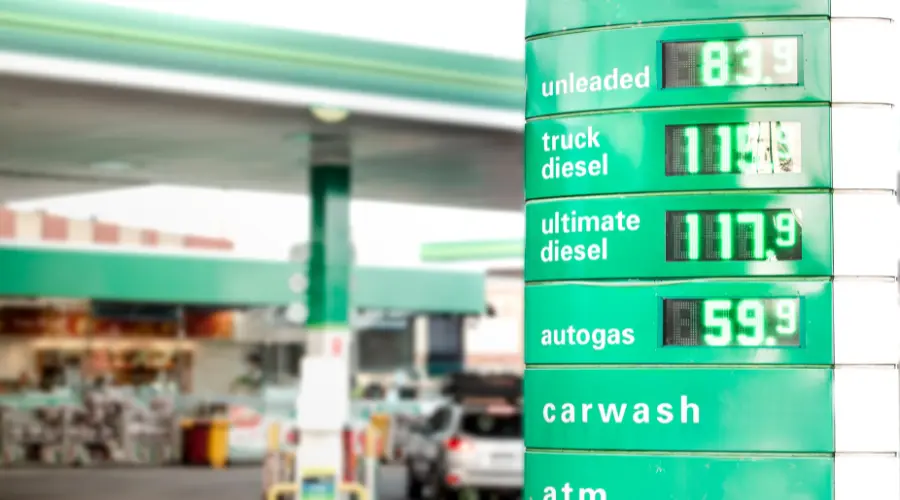
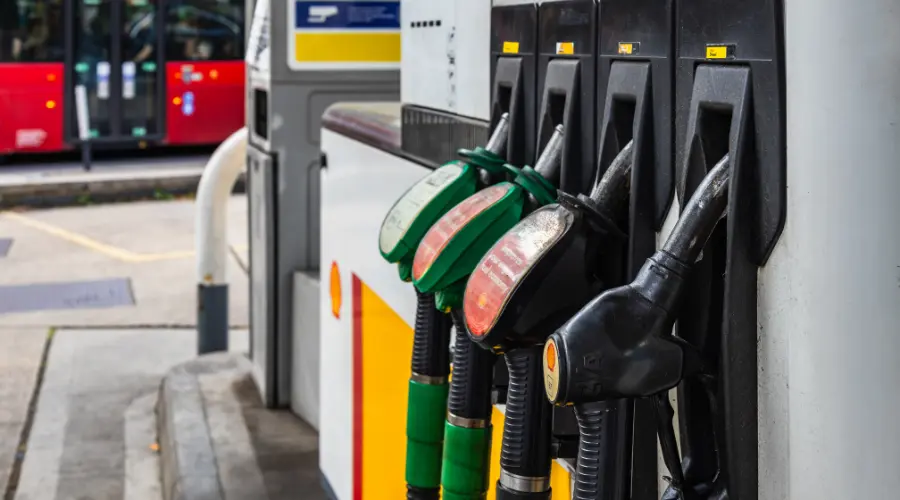
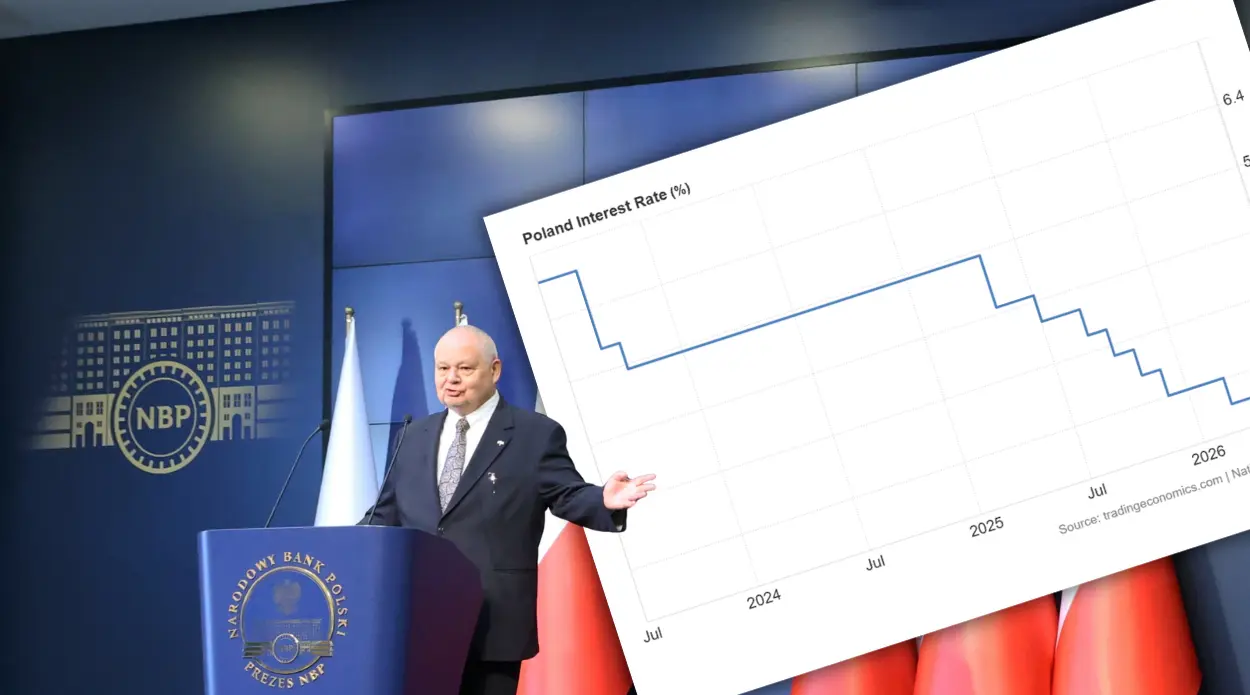
Currently, the risk balance has shifted towards a potential second rate hike. The main source of this risk is high prices of oil, gas and fuels, which increasingly impact overall inflation.

For the ECB this is an exceptionally difficult situation. The energy shock occurs at a time of weak economic conditions in Europe.

Higher energy costs hit consumers and businesses, dampen demand and reduce margins. At the same time higher interest rates could further cool the economy.

This increases the risk of stagflation, a combination of high inflation and weak economic growth.

ECB may be forced to react as early as June

So far core inflation remains considerably calmer than the headline indicator, but the risk lies in the fact that higher energy will start to filter more strongly into the prices of services, food and wage expectations.

Advertising

If the stalemate in the Middle East persists and oil rises again, cost pressure could more strongly translate into prices of services, food and wage expectations.

In such a scenario the ECB could be forced to react as early as June, even with a weak economy.

The lack of action risks entrenching inflation, while a rate hike deepens the slowdown. It is a choice between two bad scenarios. – analysts at the investment platform Port commented.

inflation in the eurozone soars will the ecb raise interest rates and change the eurpln exchange rate grafika numer 1inflation in the eurozone soars will the ecb raise interest rates and change the eurpln exchange rate grafika numer 1


FXMAG Team

FXMAG Team

FXMAG’s editorial team creates high-quality content on financial markets, investing, and the global economy. We provide timely analysis and clear insights to help our audience navigate complex market dynamics.


Topics

personal finance

business operating costs

inflation in the Eurozone

macroeconomic forecasts

forex investing

economic slowdown

oil and fuel prices

core service inflation

Middle East conflict

stagflation risk

Port market analyses

ECB interest ratesinterest rate hikesenergy crisis in Europe

ECB monetary policy

Advertising
Advertising

Most recent

Recomended