We had already warned that high temperatures could cause power interruptions before Poland recorded record heat.
"I don't think we will see a nationwide blackout, meaning a moment when the entire country runs out of power simultaneously. There may be isolated failures in power plants or transmission networks, which would cut power to specific areas. In my view, if such events occur at all, they will be incidental," said Dr. Nikolina Poranek, renewable energy and energy expert, Chair of the Department of Technology and Waste Management, Faculty of Environmental and Energy Engineering, Silesian University of Technology, in an interview with FXMAG.
The expert's words were confirmed by events that unfolded over the past days.
One failure after another
The number of local power outages in recent days was large. Failures affected both residents of small towns and large cities. Only in Łódź did nearly 10,000 people struggle with the problem on Sunday evening. Restrictions on power supply due to network overload caused by high temperatures also affected residents of Szczecin, Gorzów Wielkopolski, and Wrocław. The consequences were not just a lack of light in homes but far more serious disruptions, such as non‑working elevators and trams. Locally this led to significant transport paralysis.
Heat also affected the railways. PKP Intercity had to cancel some connections. In some cases, trains were replaced by substitute transport, namely air‑conditioned coaches.
Huge losses for the economy
Heat causes not only problems for citizens but also significant losses for the economy. According to the Climate&Strategy Foundation's report "Resilient and Strong Poland", over the last 46 years, heat has cost our country 86 billion PLN. This places Poland in 5th place in the entire European Union in terms of vulnerability to high temperatures.
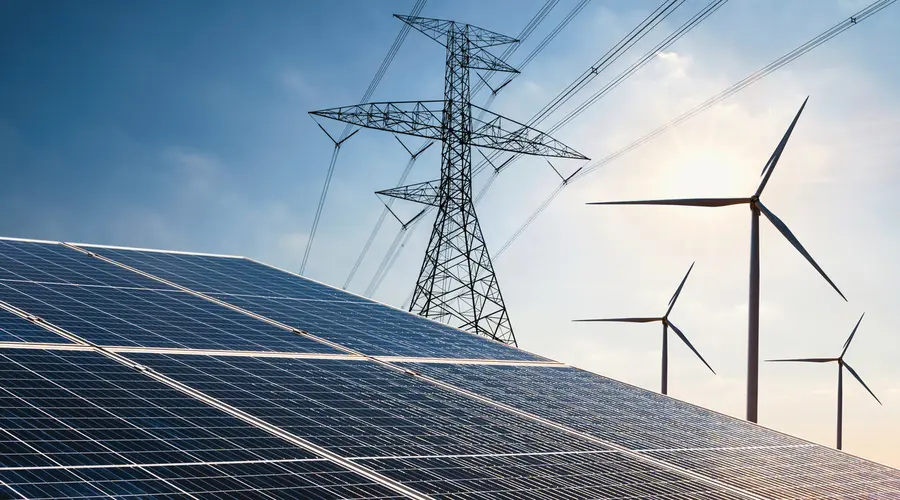
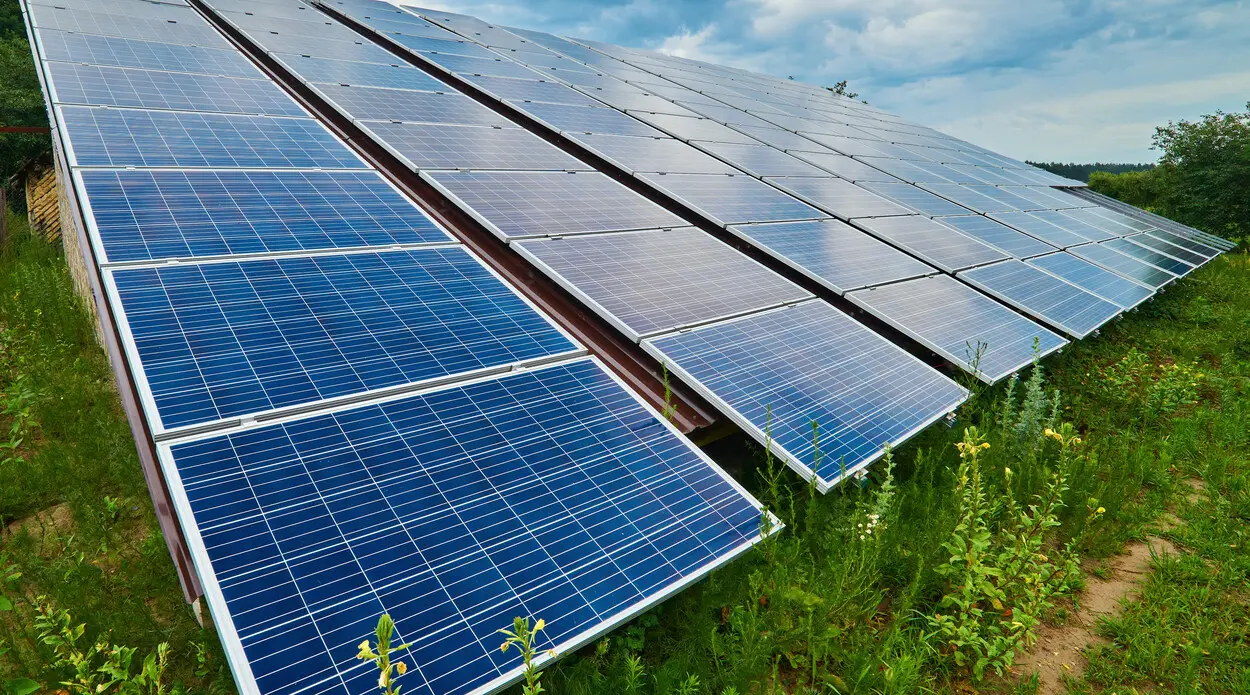
These costs are even higher after the recent scorching days. Not only because there were failures on transmission networks, but also because their efficiency dropped in such temperatures. And that's not all. Losses in Polish energy also stem from reduced photovoltaic production during heatwaves. Although it should be noted that in recent days, renewable energy—especially photovoltaics—was a major part of the energy mix. Renewable energy accounted for about 70%, of which two thirds was photovoltaics and one third wind farms.
"The most dangerous moment for maintaining energy stability in the country will be windless evenings. That is when photovoltaic installations, which are increasingly common in Poland, will stop producing electricity, and wind farms will not be able to make up for this deficit. During this period, the demand for electricity will be high because buildings after a full day of heat will be hot, and to cool them consumers will use air‑conditioners or other electrical devices," notes Dr. Nikolina Poranek, renewable energy and energy expert, Chair of the Department of Technology and Waste Management, Faculty of Environmental and Energy Engineering, Silesian University of Technology.
The share of energy from photovoltaic installations could have been even higher, but high temperatures prevented it. Globenergia.pl notes that photovoltaic modules perform much worse at high temperatures. Their temperature when the outside is 35°C can reach 70°C. All this depends on the modules, mounting systems, and weather conditions. According to Globenergia.pl, in such a situation efficiency can drop by several percent. When the cell temperature reaches 65°C, efficiency can drop by about 14% in older models and just under 12% in newer panels.
See also: A wave of heat is coming. Is Poland facing a blackout due to increased demand for electricity?