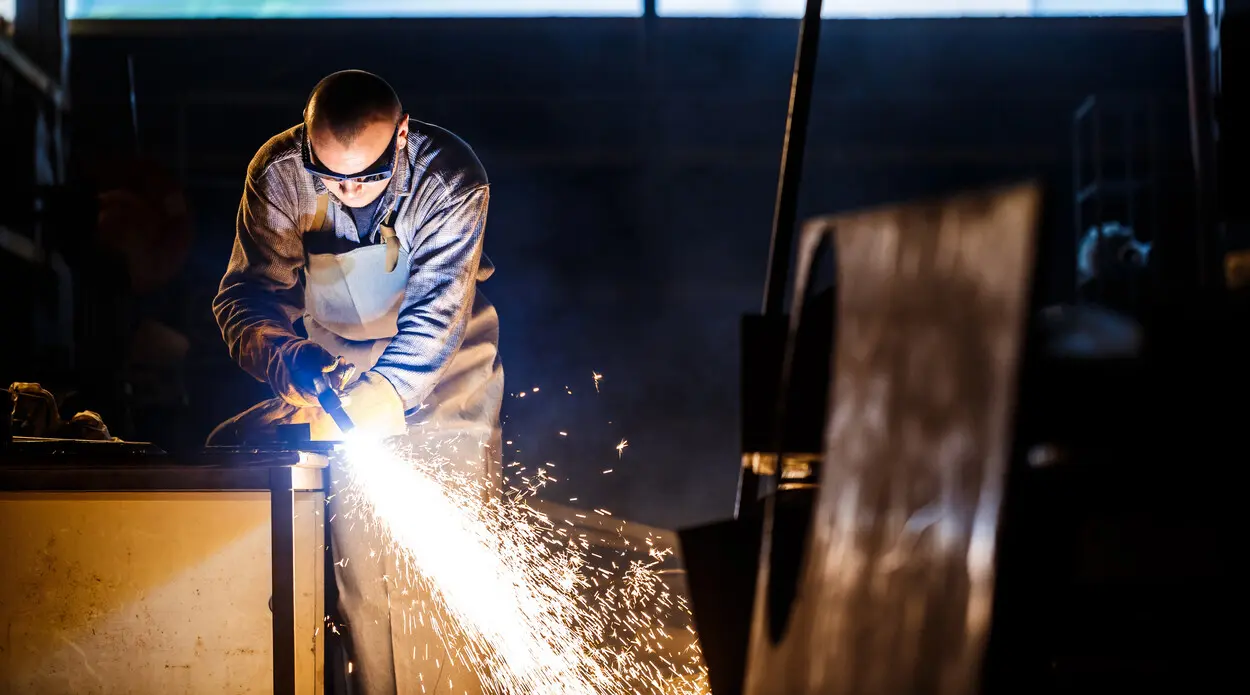
In Poland, for now there are no regulations specifying the maximum temperature in the workplace. The government is working on such regulations. They will likely come into force in 2027. Information from the Ministry of Family, Labour and Social Policy indicates what changes can be expected. The legislator wants to set maximum temperature limits that allow work to be carried out. These should be up to 35 degrees Celsius indoors and 32 degrees Celsius outdoors for physical work. The ban will include exceptions, such as those where the work itself raises the temperature, e.g., paving asphalt.
New regulations will introduce not only maximum temperatures but also other obligations that employers must meet when high temperatures occur.
Employers must already protect workers from heat
That there are currently no specified maximum temperatures for work does not mean employers can ignore workers during heat waves. Occupational Safety and Health regulations require employers to provide workers with drinks when the temperature during outdoor work exceeds 25 degrees Celsius, and also in rooms where the temperature is 28 degrees Celsius. And that’s not all. Employers also have a duty to provide personal protective equipment that takes weather conditions into account. In indoor work, employers must ensure that fans or air conditioners are functioning. If rooms are sunlit, employers must also install blinds, shutters or curtains that isolate rooms from excessive sunlight.
Can an employee leave the workplace?
It is important that if the temperature at the workplace is too high, an employee can refuse to perform further tasks if they feel it threatens their health. It is important that before leaving the work station they inform their supervisor. If the supervisor does not respond in a way that improves working conditions, the employee can leave the workplace, but importantly cannot leave the premises. If they face consequences from the employer, such as disciplinary dismissal, they can claim their rights by reporting the situation to the State Labour Inspectorate. The penalty for violating OHS regulations can reach up to 30,000 PLN.
Winter is different
Polish regulations currently do not specify maximum temperatures for work. They indicate minimum temperatures. This is set by the Minister of Labour and Social Policy regulation of September 26, 1997, on general safety and health regulations. For heavy physical work, the indoor temperature cannot be lower than 14 degrees Celsius, while in office rooms and during light physical work it cannot drop below 18 degrees Celsius.
Regulations do not set a minimum temperature for outdoor work. However, they impose duties on employers who assign such tasks. These include providing protective clothing, meals and restorative drinks, and a room where the worker can rest and warm up. The temperature that must prevail in that room is at least 16 degrees Celsius.
See also: Will there be anyone in Poland to teach future IT professionals? The problem is the salaries of academic staff