France's GDP in the first quarter of 2026 did not move even a millimeter compared to the end of last year.
Geopolitical stalemate and brutal collision with reality
While the median forecast of analysts surveyed by Bloomberg pointed to a modest but still growth of about 0.2%, the French statistical office Insee announced a hard zero.
This painful slowdown follows a slow growth of 0,2% recorded in the previous period.
Read also: Euro rate waits for ECB movement! How will EUR/USD and EUR/PLN react? The market holds its breath
The causes of this situation are external factors. France’s economy proved exceptionally vulnerable to stagflationary threats caused by the war in Iran.
Although current data cover only the first month of fighting in the Middle East, it is already clear that market algorithms did not overestimate the scale of supply‑chain damage.
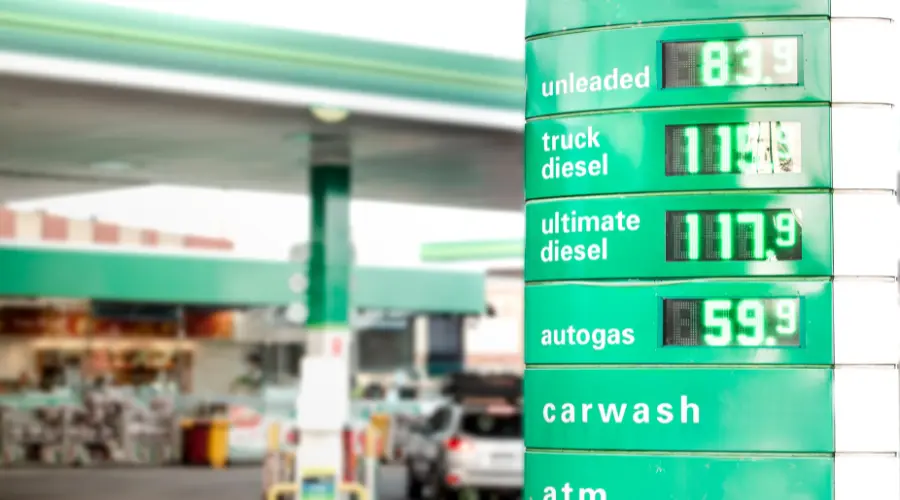
Rising energy costs reach every sector, limiting industrial activity and pushing inflation to levels not seen since 2022, the beginning of the war in Ukraine.
If the French economy is an engine, French consumers have just stopped fueling it. Household spending fell in the first quarter by 0.1%, and housing investment shrank by a drastic 0.7%.
Importantly, even the business sector, usually more resilient to short‑term turbulence, reported a decline in investment of 0,2%. French people fear spending amid geopolitical uncertainty and rising prices.
The weakest link in the entire system turned out to be foreign trade. Exports fell by as much as 3,8%, resulting in a negative net trade contribution to GDP of 0,7%.

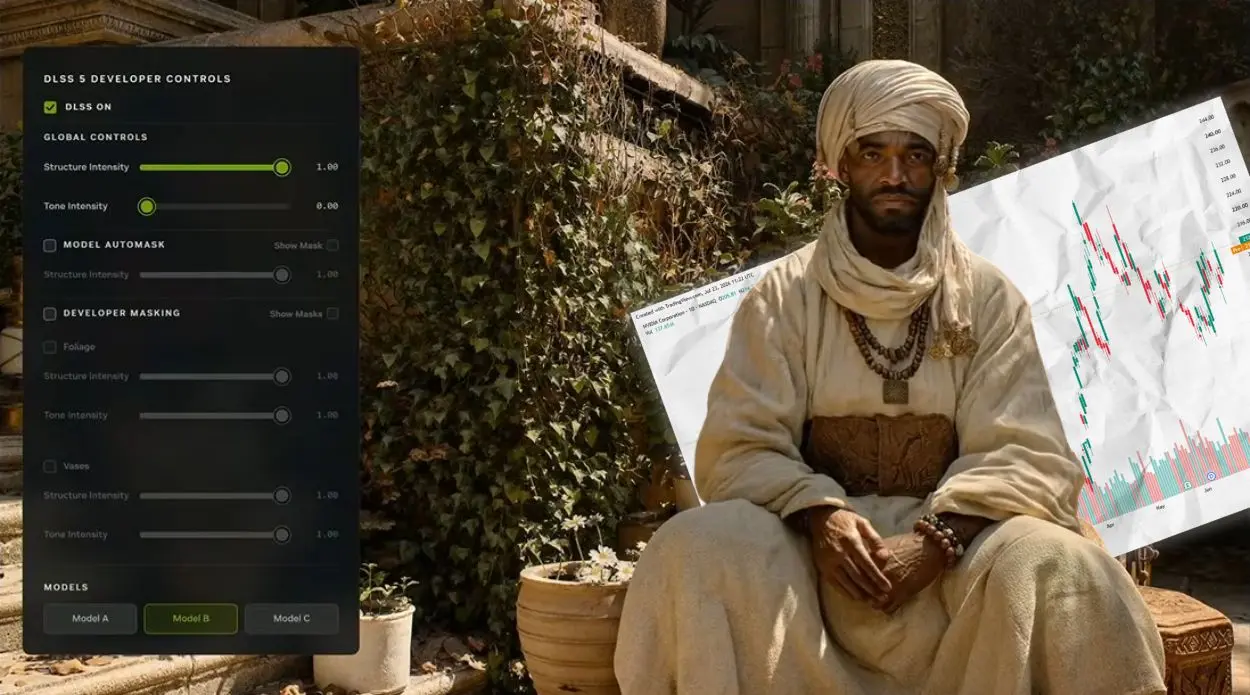
Source: Trading Economics.
See also: Remote work for everyone? The government considers a bold step. The fuel crisis could change work rules
ECB in a dilemma. Interest rates and the creeping inflation
The European Central Bank is currently in a very complicated situation.
On one hand, information about stagnation in France, on the other, rising inflationary pressure across the eurozone.
According to analysts’ expectations, inflation in the European Union will rise to 3% (from 2.6% in March). At the same time, the eurozone economy is expected to grow by only 0.2%. This calls into question the effectiveness of current monetary policy.
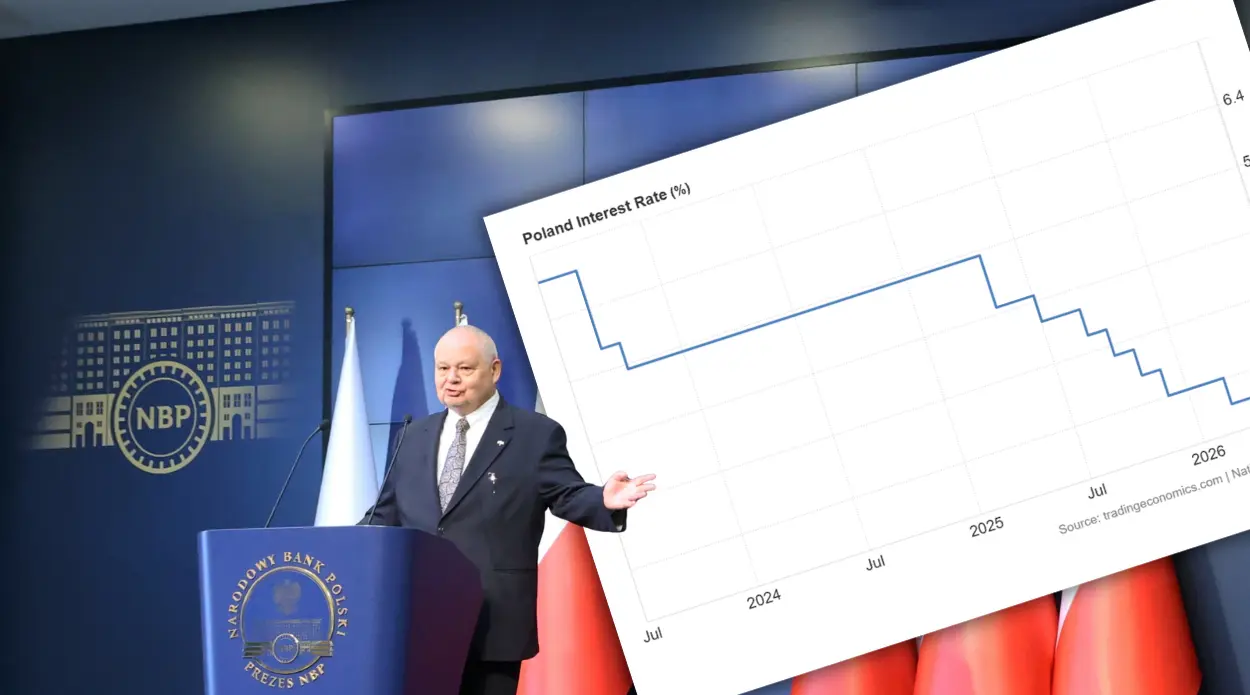
The ECB will likely keep interest rates at 2% during today’s meeting, but markets already bet on a hike in June and two more by the end of the year.
Corporate and household price expectations are soaring, forcing policymakers to take more decisive and aggressive moves.
A classic economic trap becomes visible, where raising rates amid zero GDP growth leads to recession. Conversely, inaction on inflation starts eroding citizens’ savings. So bad and so not good.
It is worth noting that France is not alone in its problems, which significantly amplifies pessimism in the markets.
Germany, the former hegemony of the EU economy, cut its growth forecasts for 2026 in half to a meager 0.5%.
Italy also cuts expectations, and EU Commission President Ursula von der Leyen warns.
Economic damage caused by the war in Iran will be felt in Europe for years.
Paris already counts state budget losses, and according to the latest government reports, the war in the Middle East will cost public finances up to 6 billion EUR and that only this year.
Read also: Support for Trump fell to a record low. Did the Middle East add a brick?
See also: Enough jet fuel, but only for May. Ryanair CEO with controversial forecasts