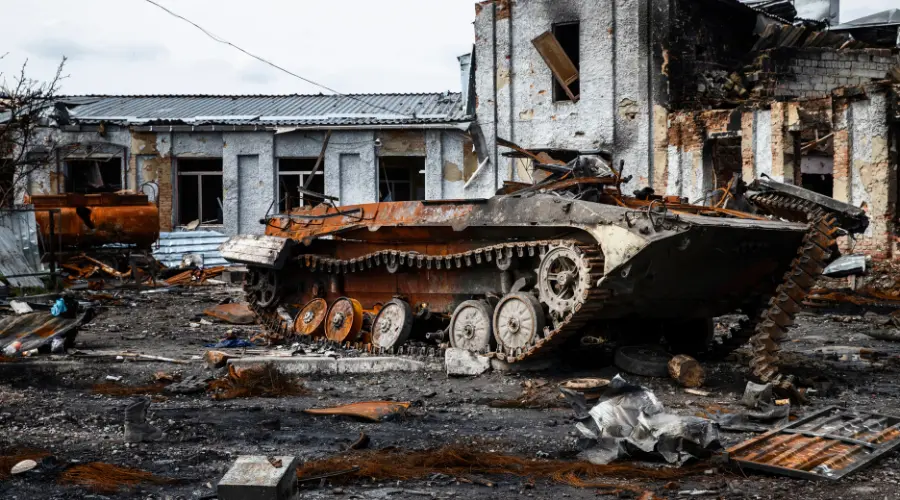
Even though many issues remain unresolved, markets are reacting with great euphoria and are hoping for the end of the multi-month conflict. Does this mean the end of inflationary threat and open the door to a return to lower interest rates?
Oil price decline and the fight against global inflation
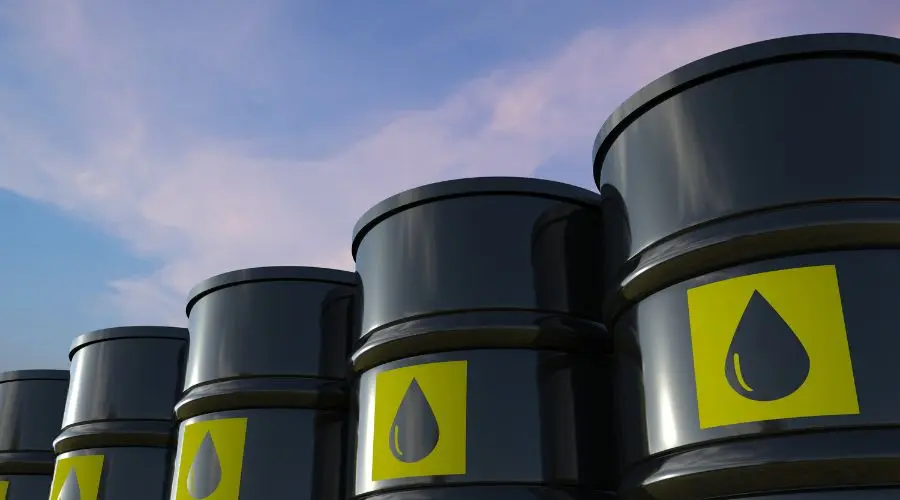
Information about the de-escalation of tensions in the Middle East led to an immediate reaction in the commodity market, where we observed a strong sell-off of oil contracts. Brent oil fell almost 5% at the opening of the markets in the new week and is now approaching the level of 82 USD per barrel, although in the previous week investors celebrated the drop below 90 dollars per barrel.
The decline in "black gold" prices is great news for the global fight against inflation, which in turn creates a very favorable environment for the Polish zloty and other emerging market currencies. Lower oil prices reduce inflationary risk, easing the pressure on central banks regarding rate hikes.
Phasing out the CPN program and fuel prices at Polish stations
On the other hand, we may be dealing with a rather interesting paradox. Phasing out the CPN program could ultimately lead to higher station prices, even with lower oil prices.
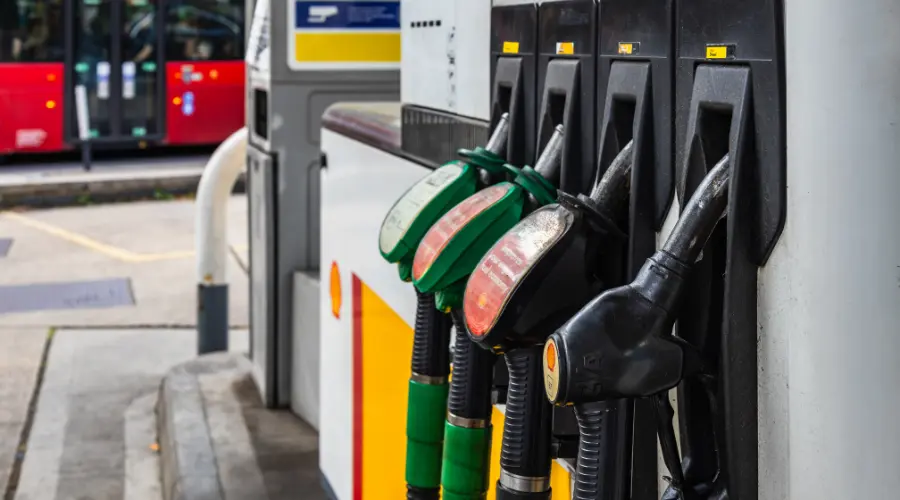
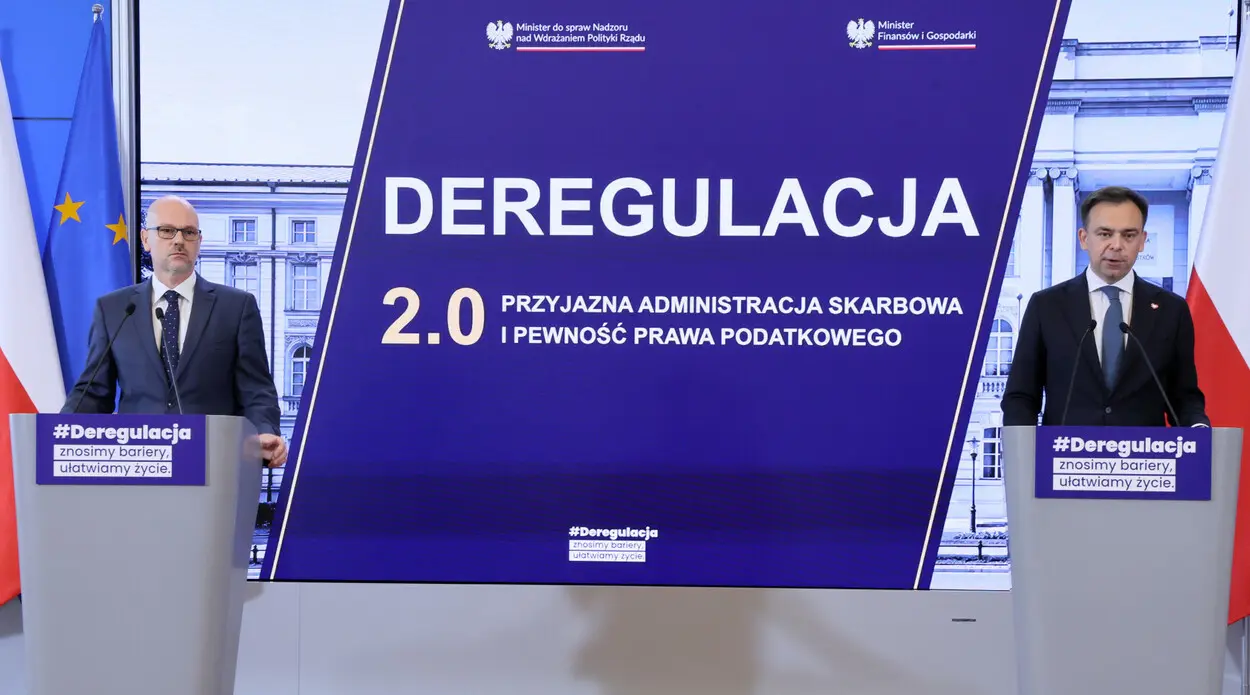
The government decided to keep a lower VAT rate on fuels and the maximum price mechanism, but most likely after today the previous excise levels will be restored. This means that gasoline will rise by 29 groszy, and diesel by 28 groszy.
However, it should be remembered that oil prices fell 7% last week and today record another drop of almost 5%, while the zloty strengthens. This means that the increase resulting from the restoration of excise will be partially compensated by better market conditions.
Nevertheless, the CPN package is to remain in force until the end of June and has been announced for a gradual phase-out for some time. If Brent prices fall below 80 USD per barrel, the CPN program could be fully eliminated in July, which could lead to a slight rise in retail prices. Thus, the impact of the current opening of the Strait of Hormuz on inflation in the short term will not be clear-cut.
On the other hand, restoring normal trade through this region will lead to a decline in prices of many products, such as fertilizers, sulfur, or LNG gas. Therefore, the ultimate impact of the entire situation will be positive both from a global and Polish economic perspective.
Geopolitical risk does not disappear – conditions of the US-Iran agreement
However, it is worth remembering that many issues remain unresolved. On Friday a memorandum for 60 days is to be signed, during which nuclear issues are to be negotiated. Media also report that the issue of voluntary passage of ships through the Strait has not been fully resolved. The US side indicates that it will be free and free, while the Iranian side continues to emphasize the desire for control.
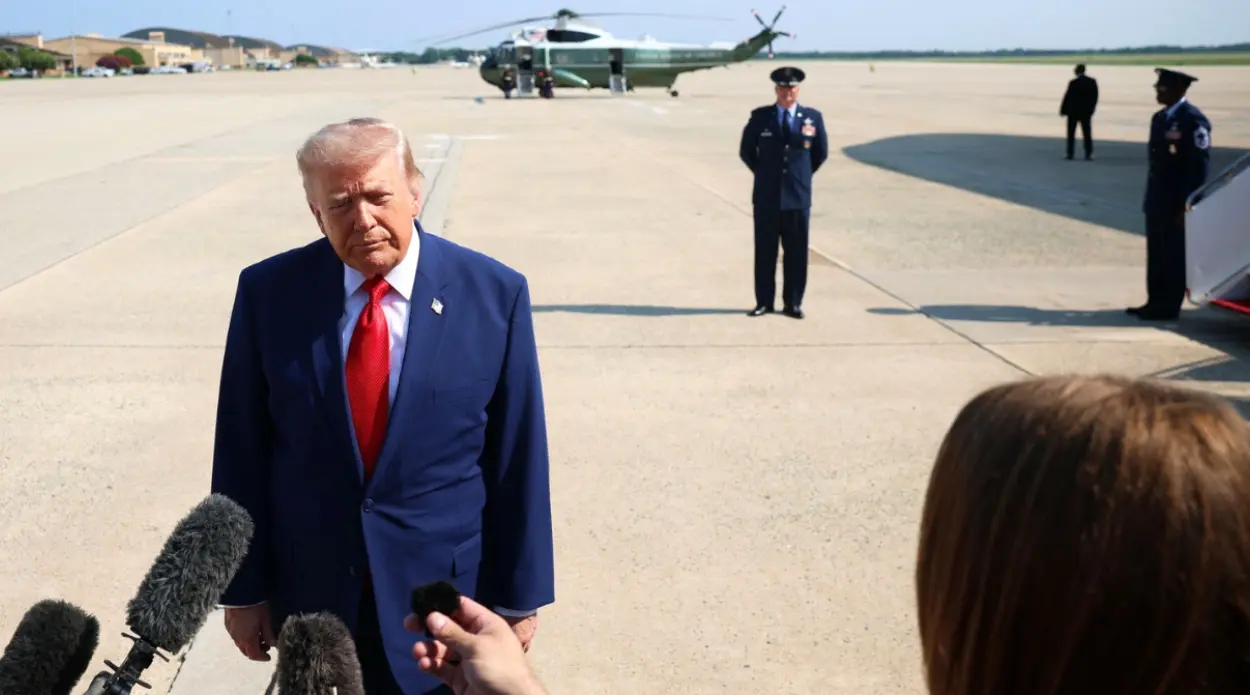
At the same time, the US will lift some sanctions and unfreeze Iranian funds in exchange for later concessions on nuclear issues. Although the agreement was announced by both the White House and state television in Iran, it should be remembered that Trump has announced signing the agreement about 40 times in recent months.
Moreover, Iran has gained the strength it has due to the closure of the Strait of Hormuz. A once-closed route remains a constant threat, permanently affecting higher tanker insurance rates.
Stable CPI inflation in Poland and current exchange rates
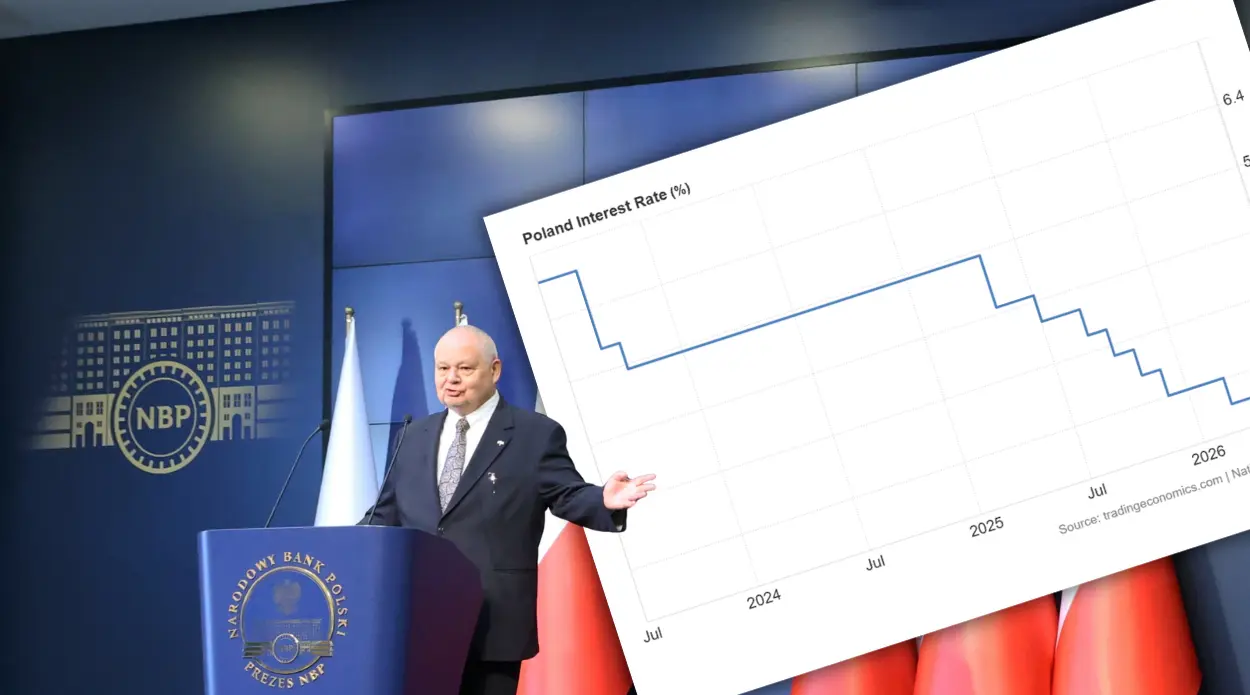
Poland's CPI inflation for May, according to preliminary reading, was 3.1% year-on-year. Such low inflation in current conditions was possible thanks to lower fuel prices. Nevertheless, it is still far from conditions where the market would again start pricing in rate cuts.
It is important, however, that with the opening of the Strait of Hormuz, hikes are practically excluded, and the ECB is unlikely to take further steps, and the Fed may return to a dovish narrative. Before 10:00 a.m. we pay 3.6532 PLN per dollar, 4.2397 PLN per euro, 4.6065 PLN per franc, and 4.9069 PLN per pound.