The End of Unconditional Optimism Toward AI
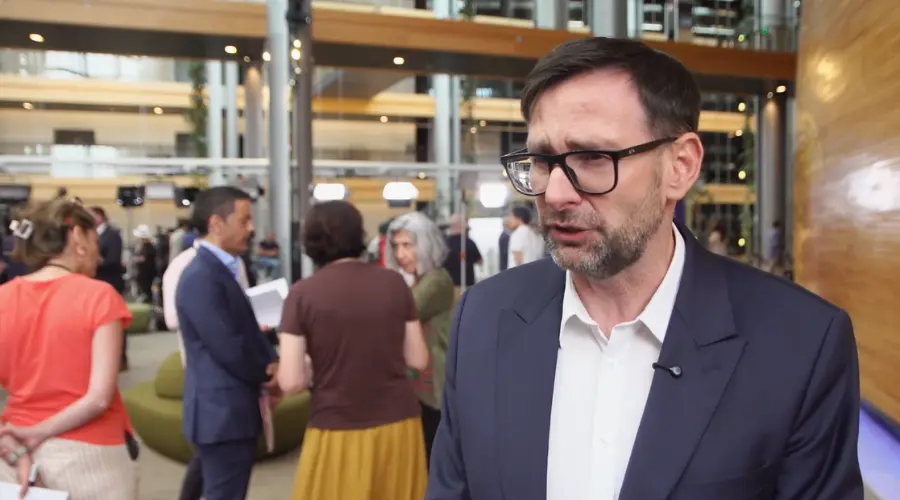
Yesterday’s central bank governors’ panel at the ECB forum in Sintra somewhat caricatured Kevin Warsh’s “no narrative” narrative. The new Fed Chair began answering almost every question with a sacramental reminder that he does not intend to give markets any guidance on the future moves of the U.S. central bank. Warsh, however, could not hide the Fed’s priorities.
Before taking office, Warsh was a faithful adherent of the theory that AI adoption would boost economic productivity to the point that production costs, and thus inflation, would cease to be an obstacle to lower interest rates. To a slightly lesser extent, his predecessor Jerome Powell also played the argument, trying to ease the deepening divisions within the Fed at the end of his mandate.
Inflation Remains the Number One Adversary
The ECB forum in Sintra, however, delivered a subtle yet still relevant twist for investors. Faith in deflationary AI shifted to an “openness to what AI can do for productivity,” and inflation returned to the center of debate despite the noise in data due to energy cost volatility. “Prices are too high,” the new Fed Chair said outright, firmly rejecting market narratives that the Fed is lightly treating the two‑percent inflation target. It thus appears that Warsh, even while renouncing any form of forward guidance, revealed to markets who the current number one adversary of monetary policy is.
Correction Before NFP: Is the Market Not Reacting to the Stock?
Warsh’s conservatism clearly calmed markets, turning the dollar index close to the 14‑month peak that fell at the end of last week. Today’s correction therefore seems to have a technical, partly emotional character, and could prove a key stop before setting a new direction for the dollar. Consensus on the NFP assumes employment growth of 110,000, about 60,000 less than May and the lowest in three months.
The slowdown in labor market expansion amid already high rates and clearly hawkish Fed sentiment may worry market participants, especially after a series of dynamic dollar gains. An NFP below expectations could tighten dollar selling and reverse the EURUSD rate even above 1.145 (currently: 1.141).
Volatility, however, works both ways. If the report again delivers a positive surprise, the market may strongly remind itself that over 100,000 new jobs do not fit into any narrative of rate cuts (the market currently prices a 70% chance of a September hike), especially in light of Warsh’s recent comments.