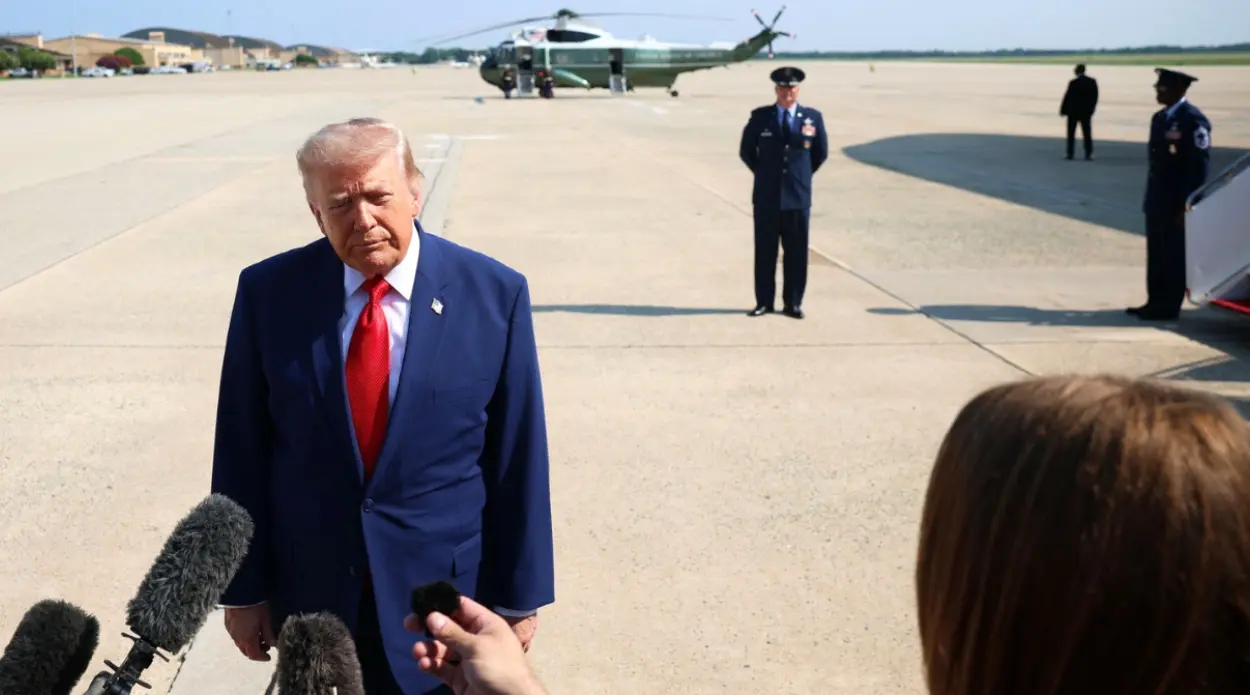
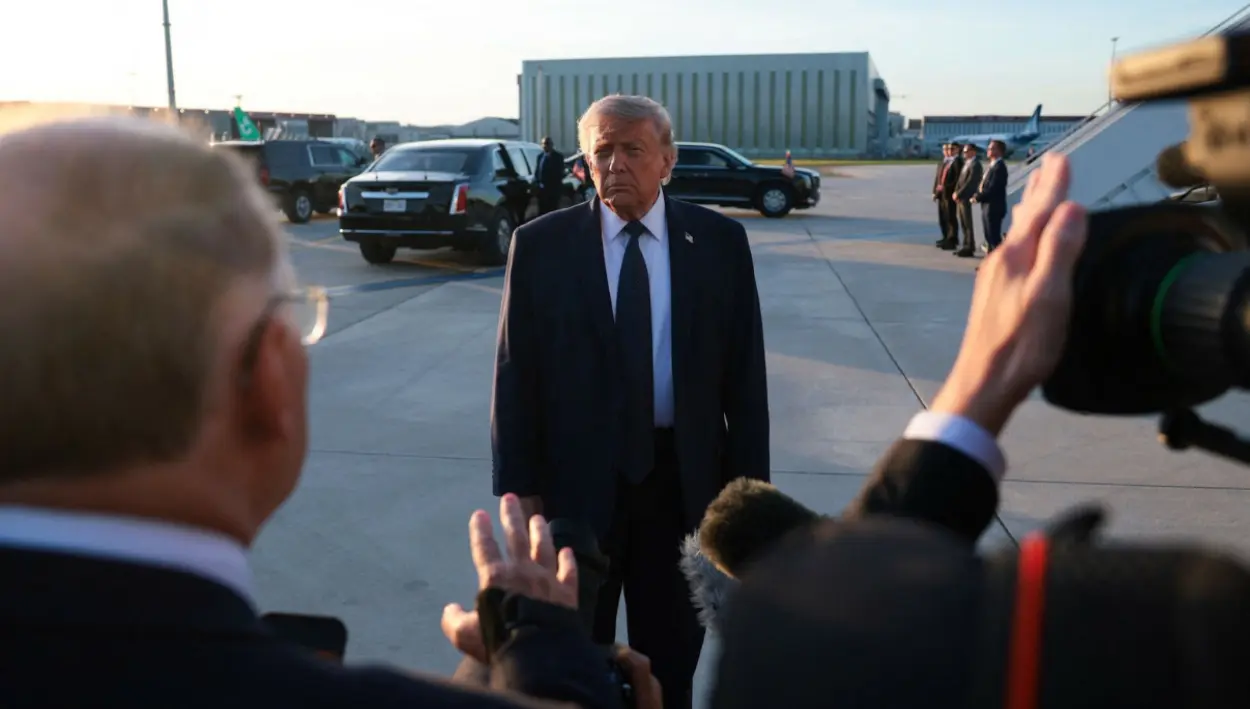
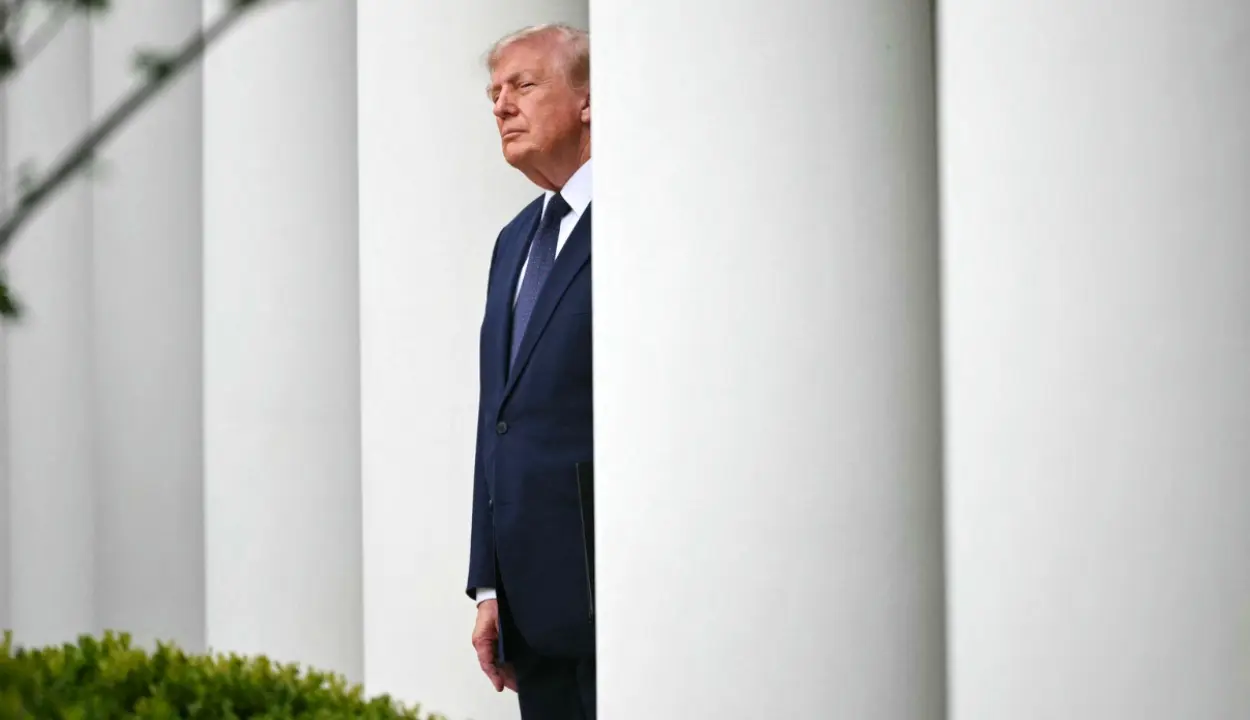
A significant event for the region is the decision by US President D. Trump to send an additional 5,000 soldiers from the US to Poland, which could support the country's geopolitical stability and reduce the risk premium on domestic assets.
Base market yields fell by about 5 basis points since yesterday, and support for the continuation of this move could come from declines in the Ifo and Michigan indices, which could also favor domestic bonds.
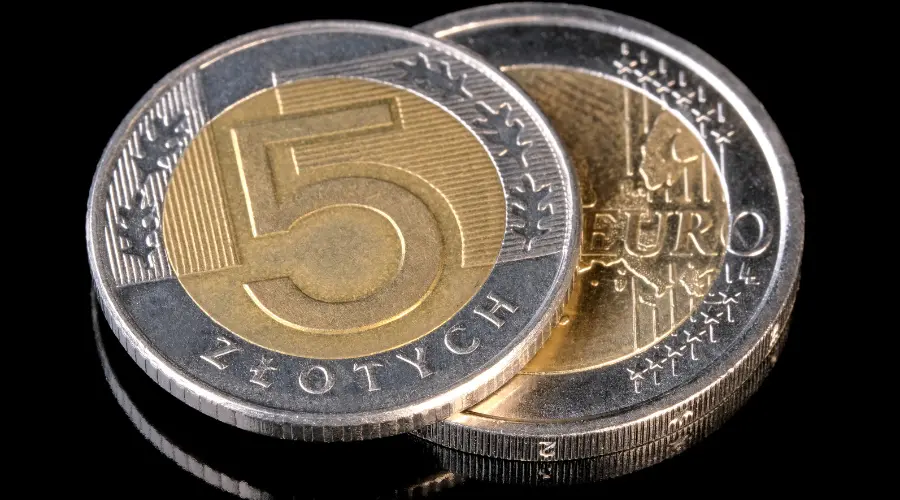
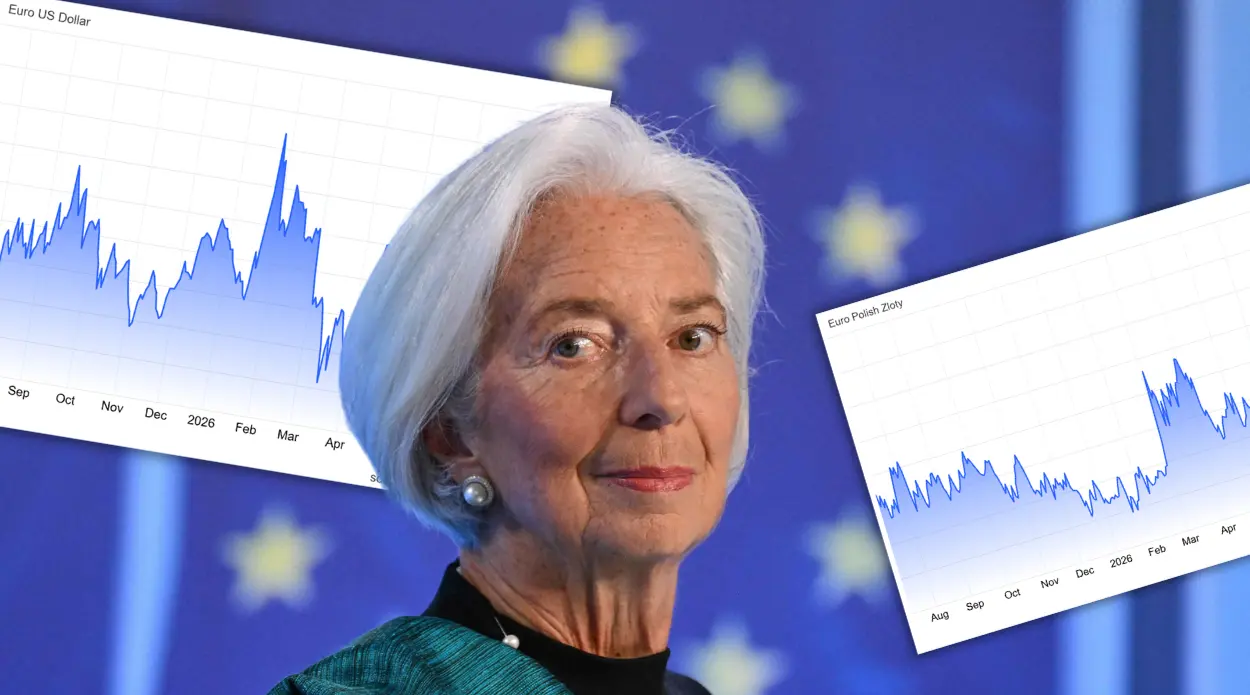
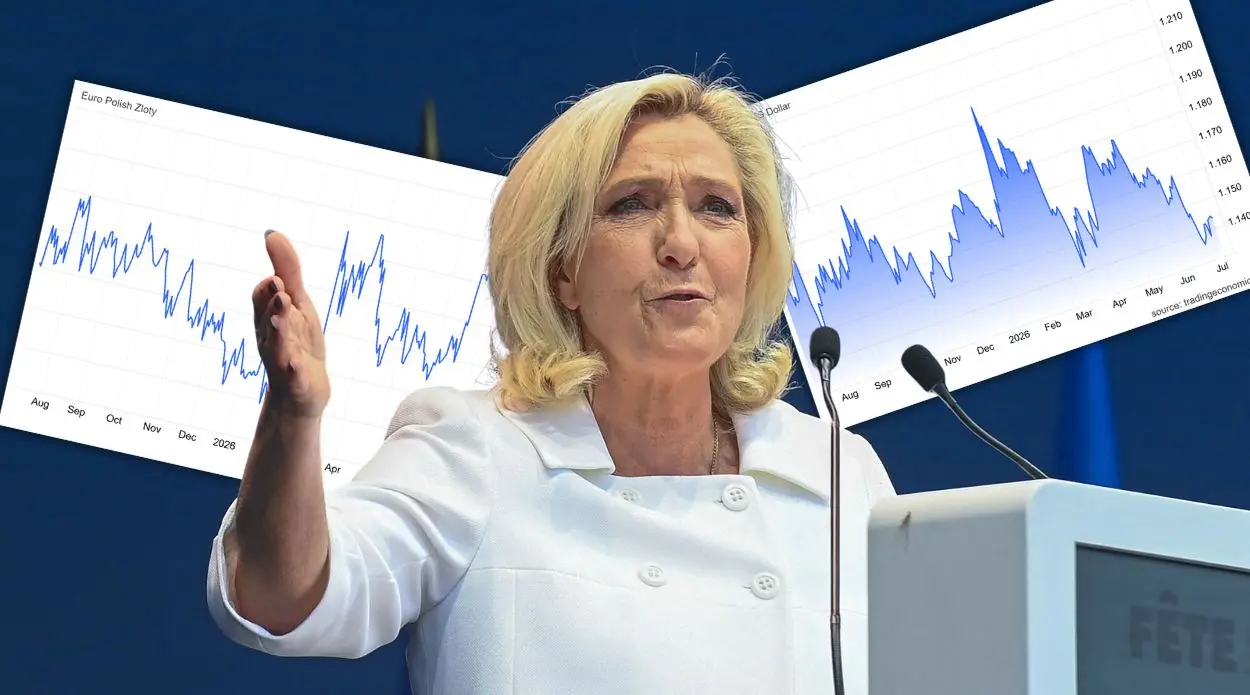
The euro EUR/PLN ended the session at 4.26 PLN
On the domestic stock market, index changes were varied: from small declines in the main indices to slight gains for small-cap indices.
The EUR/PLN rate oscillated between 4.242-4.25, and after minor fluctuations ended the session near 4.246.
Other regional currencies also showed slight fluctuations, with the Hungarian forint performing relatively weakly and the Czech koruna best, but the range of fluctuations was limited.
On the domestic interest rate market, rates fell by about 3-5 basis points, especially on the short end of the curve. This is the result of weaker-than-expected domestic production and wage data and falling oil prices. Given that yields were already at high levels, investors could have considered them attractive for purchase.
The day's event was a debt auction, where bonds worth about 10 billion PLN were sold with a demand of about 13.3 billion PLN (series OK0129, NZ0331, PS0731, DS1034, DS0436, NZ0936).
The highest bid-to-sale ratio was achieved for the short-term bonds OK0129, although with relatively low sales and for DS0436. In the additional auction, the Ministry of Finance sold bonds of series NZ0936 for 40 million PLN.
Blocked Strait, Strong Dollar and Geopolitical Turn
European equity indices saw slight changes, and the US session began with declines. Yesterday's session was marked by the publication of weak PMI readings from the eurozone, which disappointed in the main economies as well as the entire eurozone, both in the industrial and services sectors.
The dollar gained value against the euro to about 1.158 from about 1.163.
Meanwhile, the dollar was not hurt by a weaker reading of the Philadelphia Fed index for May (fall to -0.4 points from +26.7 points versus expected +17.6), although the data could have slowed the dollar's rise.
Labor market data on the number of new unemployed matched expectations (fall to 209 thousand from 212 thousand versus expected). PMI data for the US showed a slightly weaker reading for industry and slightly weaker for services. Support for the dollar could also come from some information on the Middle East, although the Strait of Hormuz remains blocked. CNN reported that Iran is rebuilding its military capabilities faster than expected and that it would have already resumed some drone production.
The rapid rebuilding of Iran's military capabilities would be occurring with the participation of Russia and China, as indicated by Israel last week. US intelligence is adjusting estimates of how serious the damage was caused by US raids (Iran would rebuild drone attack capabilities within six months). In addition, the highest Iranian leader declared that highly enriched uranium must remain in the country. This could mean a risk of escalation in the coming weeks.
Other geopolitical information in a letter to EU institution heads, German Chancellor F. Merz announced that at the June EU summit he intends to propose that Ukraine become an "associate member" of the EU before full accession. The range of interest rate fluctuations in base markets was relatively limited, and at the end of the day Bund yields were close to opening levels.
Meanwhile, US bonds saw a slight weakening. The 10-year Treasury yield rose by about 2 basis points to about 4.61%.