Geopolitical carousel and temporary relief for markets
Global financial markets are closely monitoring reports from Washington and Tehran, where tensions have reached a critical point. According to the latest information, the U.S. president has postponed the planned military attack on Iran after direct appeals from Saudi Arabia, Qatar, and the United Arab Emirates. This decision has introduced temporary optimism and led to a noticeable retreat in oil prices, which had recently exceeded the $110 per barrel threshold.
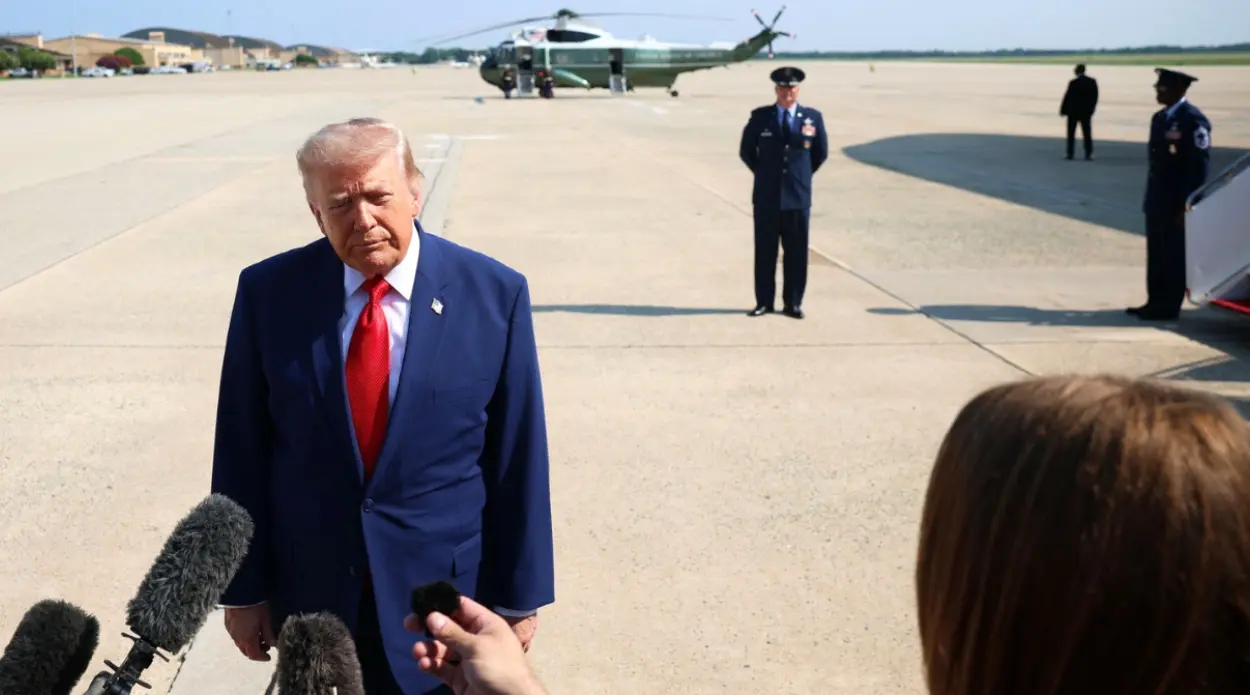
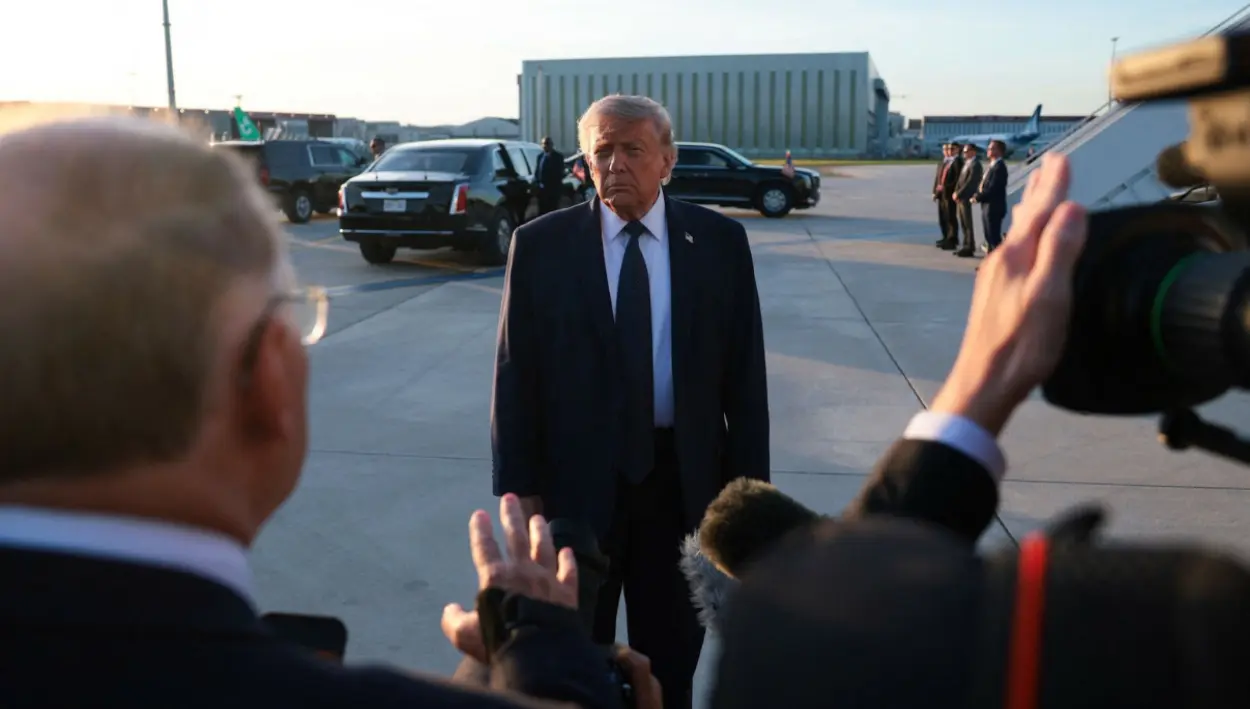
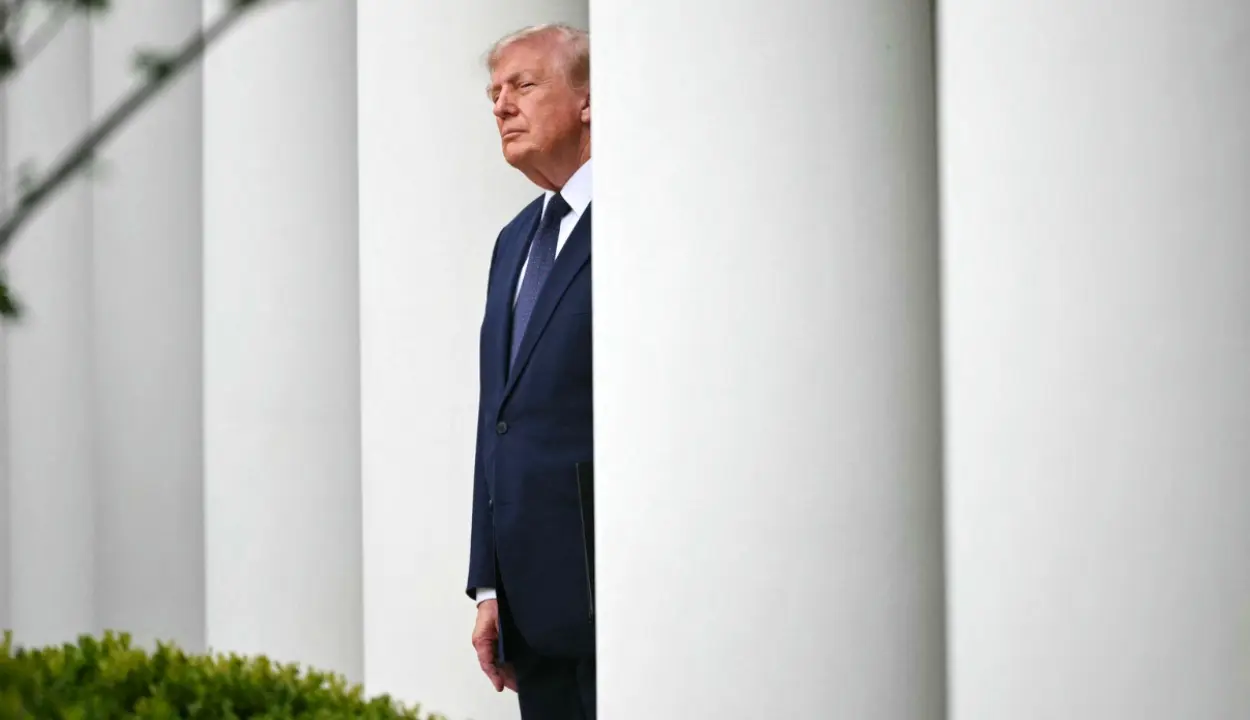
The situation remains extremely tense, as Donald Trump has ordered the military to remain fully prepared for a massive strike if ongoing peace talks fail to produce the desired outcome. The hard stance of the American leader, who publicly rejects any concessions to Tehran, keeps the risk premium at a very high level. Investors are fully aware that any escalation would trigger a powerful energy shock.
Inflation refuses to relent and forces the Fed to act
The second key driver for the U.S. dollar is the surprisingly high inflation readings for April. Significant increases in consumer and producer price indices undermine hopes for a quick easing of monetary policy by the Federal Reserve.
Financial markets have quickly adjusted their valuations to the new reality under the leadership of Kevin Warsh and now assign a high probability of another rate hike later this year. U.S. Treasury yields have surged above 4.60%, creating a possible environment for further strengthening of the dollar.
In the coming days, attention will focus on Thursday’s releases of leading PMI indicators and statements from central bank officials, which are likely to confirm this decisive hawkish stance. After the Wall Street session closes on Wednesday, we will also learn the financial results of Nvidia — a company that has become the symbol of the AI boom and a de facto barometer of the entire tech sector.
The strength of the dollar pushes other currencies into defense mode
Capital flows in a wide stream toward the U.S. dollar during today’s session. The dollar gains value against most major currencies, a natural reaction to the confluence of geopolitical risk and high interest rates.
The Japanese yen is particularly under pressure, having crossed the 159 barrier, forcing local authorities to consider urgent intervention.
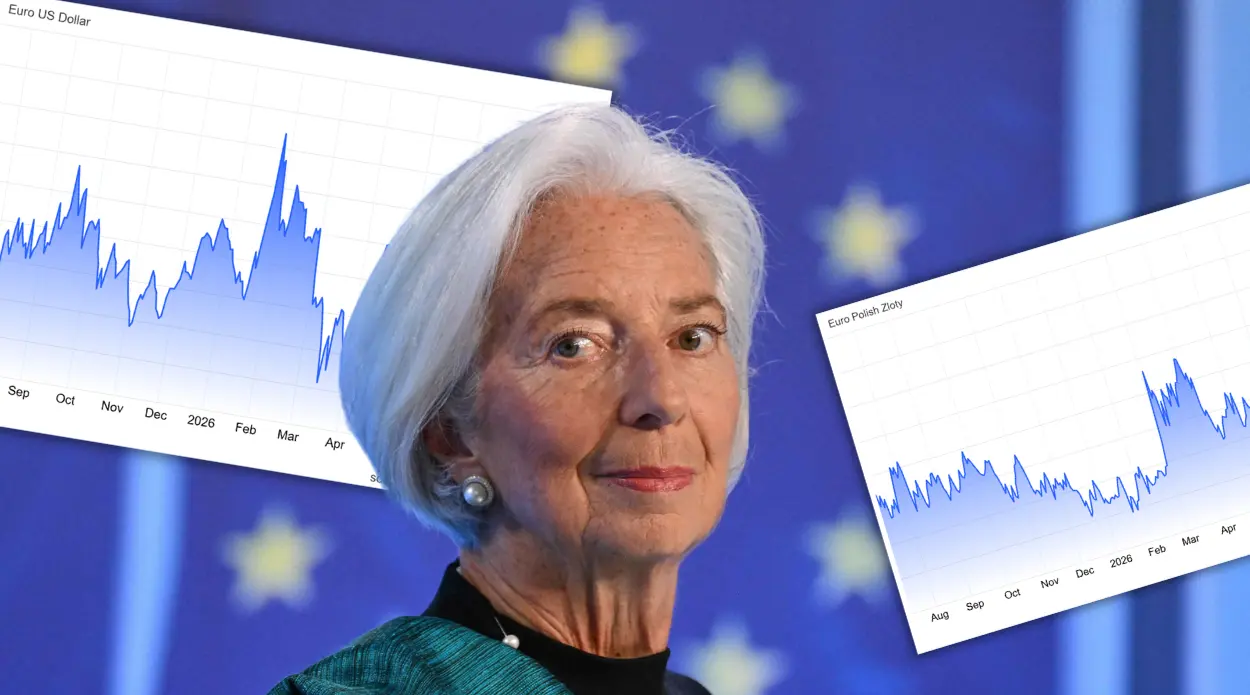
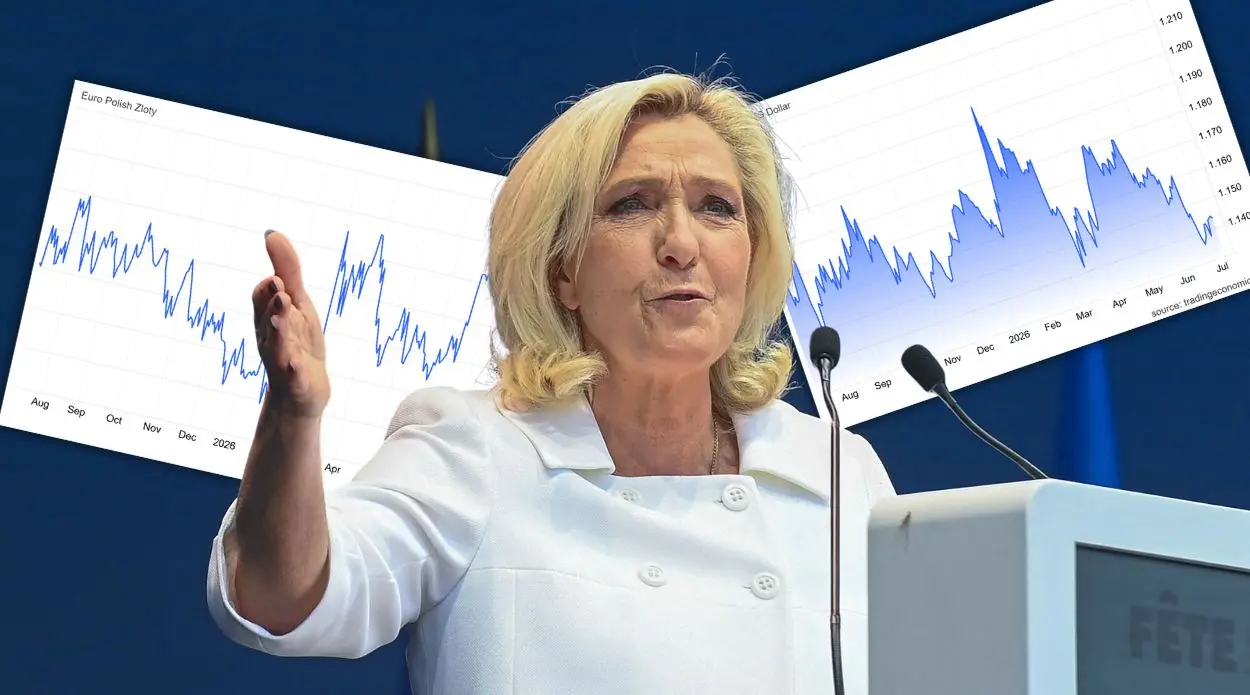
The euro also loses ground, with the main currency pair trading near 1.16.
The Polish currency tries to hold back the global sell‑off, but the high dollar rate clearly indicates increasing pressure. Just before 09:00, the U.S. dollar was at 3.6496 PLN, the euro cost 4.2461 PLN, and the Swiss franc was priced at 4.6447 PLN. The British pound was at 4.8805 PLN.