Who to trust?
The Middle East conflict has once again demonstrated its unpredictability, and the situation can turn 180 degrees each day. On Monday, markets were in euphoria thanks to a 14-point memorandum between the US and Iran, which was supposed to herald the end of the conflict.
What a mistake – by night, reports emerged of a US attack on Iranian targets, including missile sites and ships near the Strait of Hormuz. The attack was condemned by Tehran's leader, Ali Khamenei, calling on Islamic countries to stand in solidarity and urging Americans not to have any safe bases in the Persian Gulf region.
The whole situation shows that we still face high tension, and the disputed points are so significant that it will take a long time before lasting peace and the opening of the Strait of Hormuz are achieved.
Investors can still feel strongly unsettled. They receive information about missile attacks, and at the same time the media quote the US Treasury Secretary saying the agreement is already 90‑95% ready and a document with the ceasefire terms will appear in a few days.
US rate hike outlook
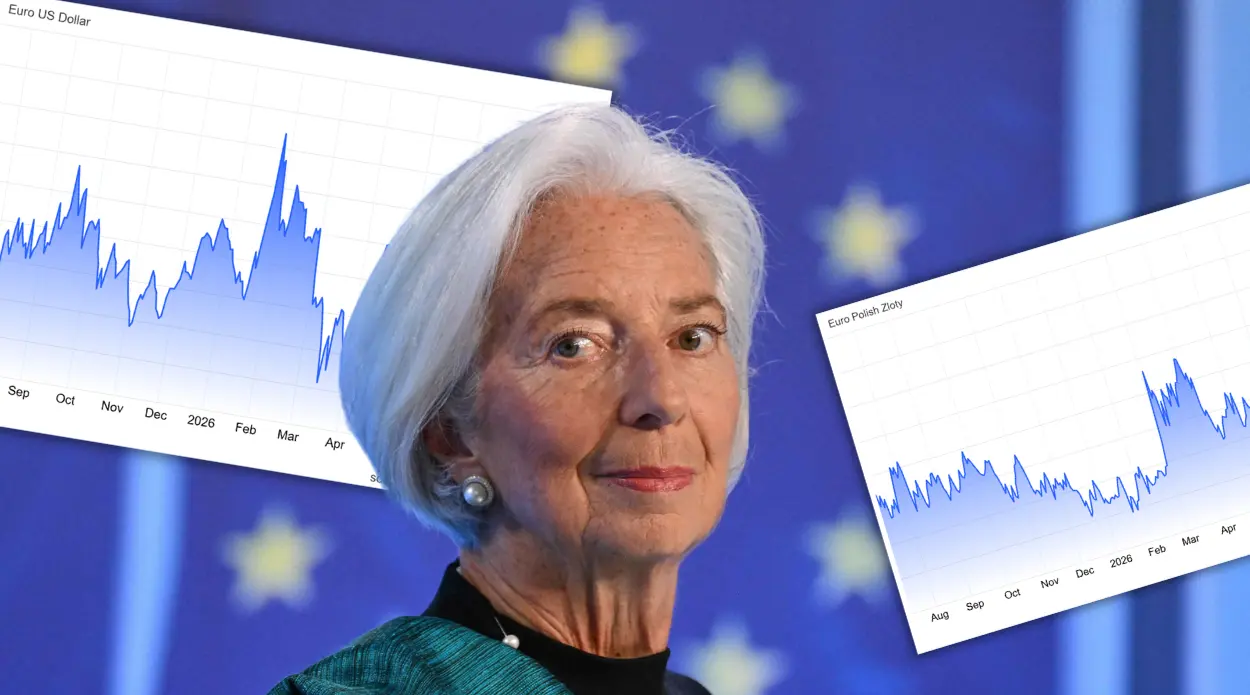
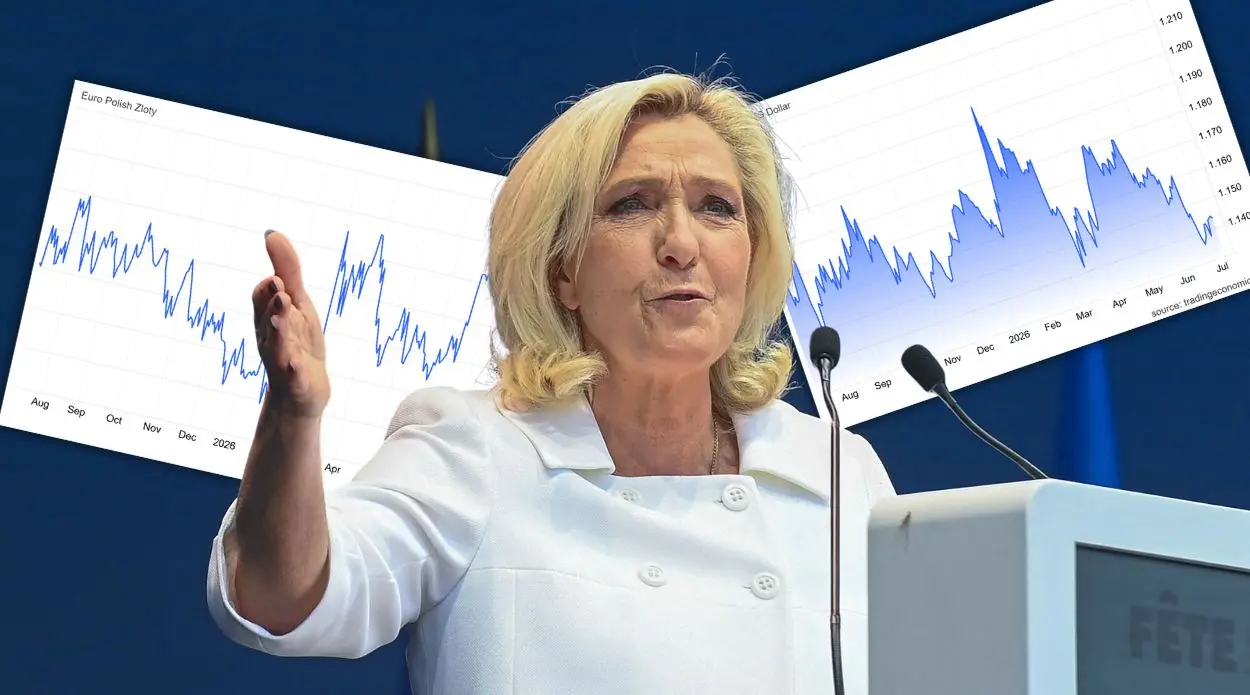
The start of trading today strengthened the US dollar in the FX market, again confirming the market theory that in “crisis” moments capital flows to the “green”. Subsequent hours, however, are marked by the recovery of EUR losses against the USD, with the rate climbing from 1.1630 to yesterday’s levels.
Yet, for the world’s main currency pair, we still see the lowest levels in May, showing that investors remain skeptical about peace in the Middle East.
The US dollar is supported not only by uncertainty but also by the changing monetary policy outlook. The Fed meeting on June 17 is not expected to change the cost of money, but the coming months are already very ambiguous. The end of the year signals that we may witness a tug‑of‑war between keeping rates and raising them. This shifting narrative will be an additional plus for the USD.
PLN is doing well
Despite this roller coaster this week, from euphoria to escalation, the domestic currency holds up very strongly. EUR/PLN stays around 4.23, levels not seen since April. Also on USD/PLN, after a brief rise early this morning, we see a drop below 3.64. The domestic currency reacted somewhat indifferently to the worsening macro data in the Polish economy.
First, we saw a slowdown in wage dynamics, and yesterday a much lower retail sales reading for April, barely 2.8% against expectations of 3%. It should be added that March’s situation looked much more optimistic, with sales dynamics then reaching 9.8%.
Some of the poorer results can be explained by seasonal factors, but the phenomenon of cautious purchasing, partly due to rising fuel prices and the specter of high inflation, has likely also entered households. The coming months will show what impact the energy crisis will have on consumers. It seems, however, that in this situation it may be a signal for the RPP not to rush rate hikes.