Warsh will speak, the market will fill in the rest
The central bankers’ forum in Sintra could be today the most important source of guidance for the currency market, although the event’s climax will only occur tomorrow. Kevin Warsh will speak in a panel together with Christine Lagarde, Andrew Bailey, and Tiff Macklem, and his remarks will be the second widely observed address since taking over the Federal Reserve. The market does not expect a ready declaration regarding the July meeting, but will analyze every reference to inflation, the labor market, and further Fed balance sheet tightening.
After the June meeting the focus point has clearly shifted, and investors are no longer pondering cuts but whether one or even two rate hikes will be needed this year. The Fed left the cost of money in the 3.50‑3.75% range, but new projections indicated the possibility of further tightening, and Warsh simultaneously began a review of how monetary policy is conducted and communicated.
Interestingly, the new Fed chief’s signature move is to reduce communication and speak less. In this context tomorrow’s address rises to the level of an event of at least a week, if not a month.
The quarter ends with a weak yen
The last June session may bring heightened volatility associated with quarter‑end closing – funds tidy up portfolios, realize gains, and adjust currency hedges. This time, however, it is difficult to explain movements solely with technical flows.
The best example is the yen, which broke the 2024 peak, and the USDJPY rate rose above 162, reaching its highest level since 1986. The Japanese currency therefore ends its fourth consecutive falling quarter, as investors still play out the wide gap between Fed and Bank of Japan policy. The FOMC opened a discussion about one or two hikes in the US, while the Bank of Japan tightens policy far more cautiously and does not convince the market that it will quickly curb the dollar’s advantage.
The breakout increases pressure on Tokyo authorities, who again warn against excessive moves and may decide to intervene. Past actions have mainly provided short‑term calm.
The end of the quarter could therefore further increase volatility, but behind the yen’s weakness lies more than bookkeeping: the market simply does not yet see a reason to abandon the game of further USDJPY gains.
Readings also matter…
Today’s calendar has already provided several key arguments for the currency market. Chinese PMI indices slightly exceeded expectations, while in Europe attention was drawn to lower‑than‑forecast inflation readings from France and Poland.
The national CPI fell in June to 2.5% YoY from 3.1%, while the market expected 2.7%. This strengthens the belief that price pressure in Poland is easing, but it does not yet automatically open the RPP path to rapid cuts, especially with the persistent weakness of the zloty. In the afternoon investors will focus on US consumer sentiment data and the JOLTS vacancy count, and the next days will bring PMI and ISM indices, the ADP report, and Thursday’s US labor market data.
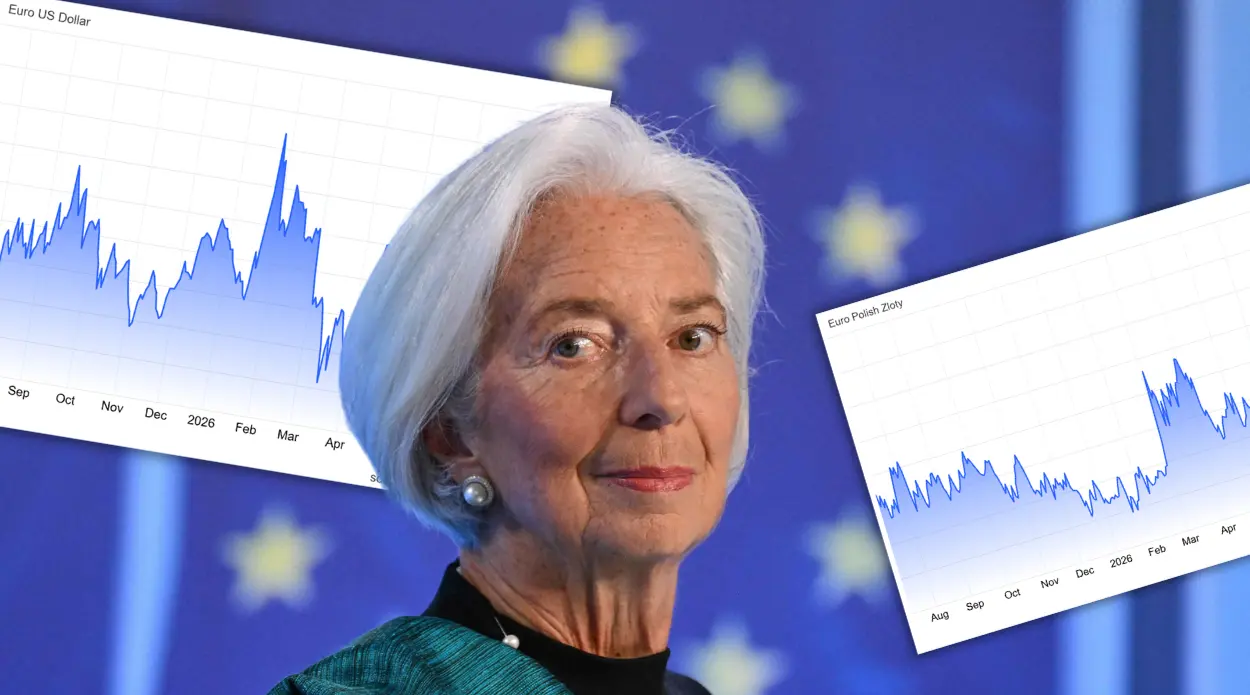
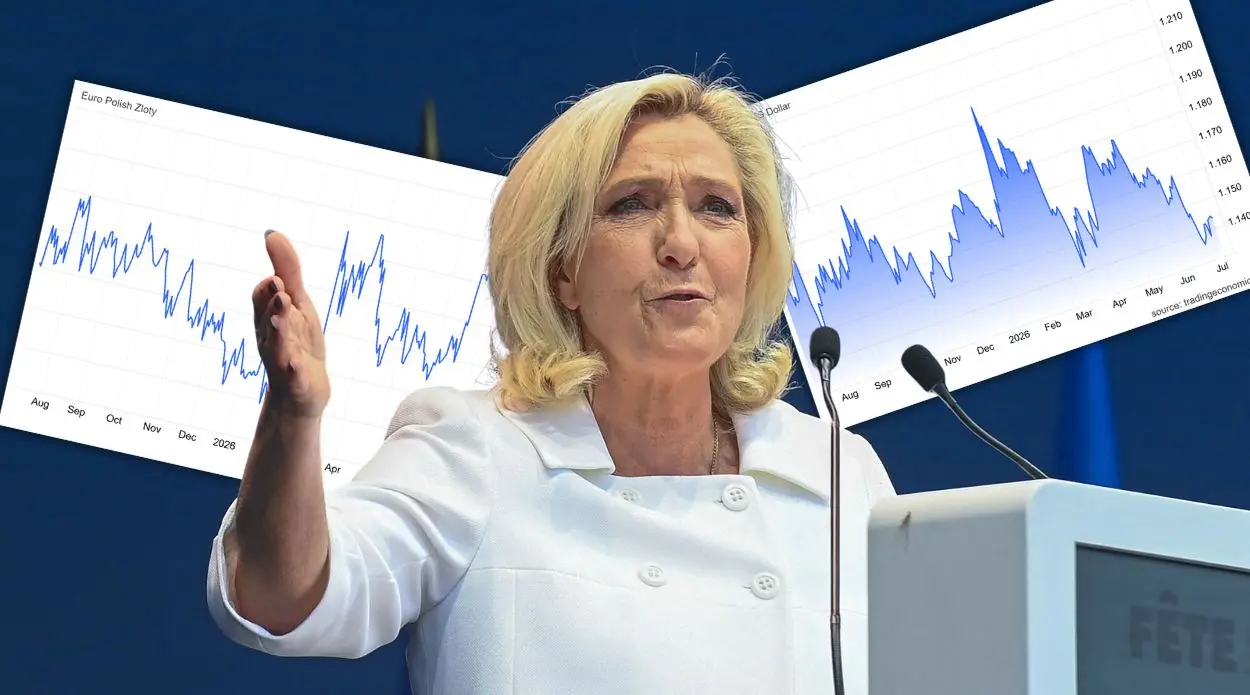
The entire package will test the Fed’s restrictive scenario: strong readings could sustain it, while a series of disappointments would cool the sharpest expectations. On the domestic market the situation is becoming less comfortable. The euro is approaching the important 4.30 PLN barrier, whose permanent breach could deepen pressure on the Polish currency. The dollar, after a slight pullback, moves up again and reaches 3.77 PLN, showing that the zloty ends the quarter under clear pressure from the global strength of the US currency.