Middle Eastern poker and algorithms on the offensive
May 2026 will go down in history as a period of powerful and dynamic volatility, in which the first tremors on global markets were driven by Middle Eastern news. For weeks the global bulls and bears clashed in rhythm with reports of geopolitical conflict.
Interestingly, the end of the month brought the markets the awaited turnaround. Investors welcomed with great relief the news of a possible 60‑day extension of the ceasefire and the prospect of a full opening of the strategic Strait of Hormuz. For global capital this was an immediate, strong impulse for a quick reversal from safe havens.
As a result, the sudden rise in optimism automatically translated into a weakening of the USD, resetting the long positions of large funds on the global stage and opening a brand new chapter for emerging market currencies, including the strong Polish zloty.
See also: Technical analysis of the euro EUR/PLN and the dollar USD/PLN. Still no agreement with Iran
The Polish zloty holds firm thanks to inflation
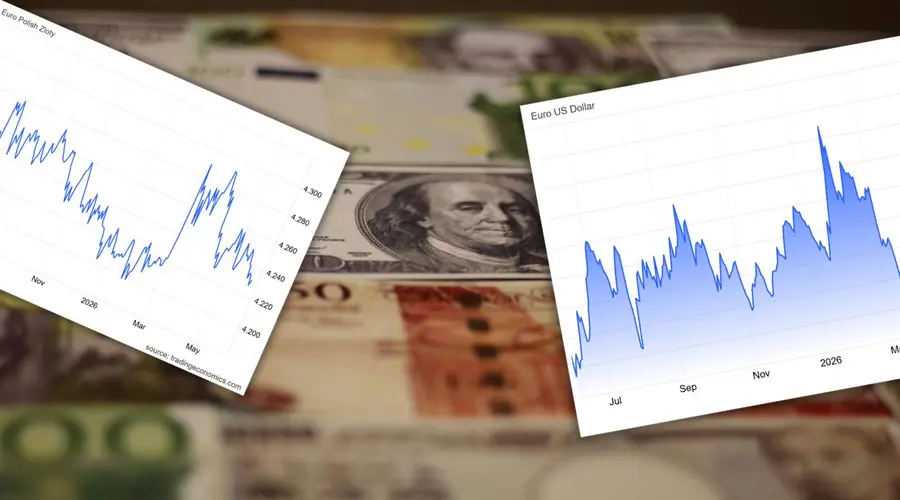
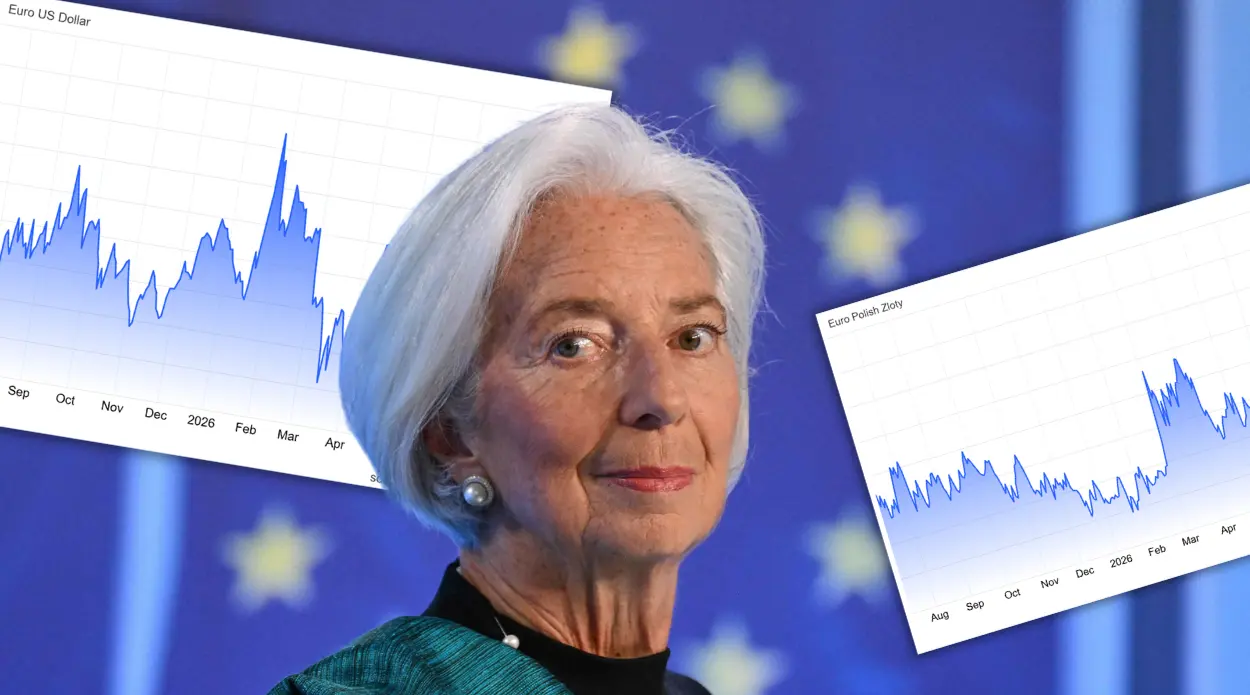
On the domestic front the EUR/PLN pair gave investors emotions worthy of the highest football tournaments. The euro’s rate against the zloty showed powerful volatility in May, driven by both global risk appetite and hard local macroeconomic readings.
By the end of the month EUR/PLN stabilized in the range 4.2220-4.2500. A key, hawkish fuel for the zloty turned out to be the estimated reading of domestic inflation for May, which rose to 3.7% year‑on‑year. This was a big surprise for market players, as the indicator had for the first time in a long while pushed inflation above the NBP’s upper tolerance band.
Maintaining a cool analysis – according to the latest forecasts from ING Think experts on 29 May 2026, ongoing price pressure in Poland effectively limits the space for potential interest rate cuts. Such a scenario will long‑term support the zloty’s position against the euro.
Chart. Euro to zloty rate (EUR/PLN).

Source: Trading Economics
See also: Euro in “stagnation”. ECB restores currency strength? New forecasts for EUR/PLN and EUR/USD
USD at a crossroads – Trump, Iran and geopolitical reset
American USD for most of May was absolutely flexing its muscles, driven by hawkish Fed rhetoric and inflation data in the US that were resilient to declines. These factors cemented the belief that by the end of the year we will see another rate hike overseas of 15 basis points. The dollar index (DXY) was about 1% above its early‑month levels at the end of May, even ignoring crude oil price falls.
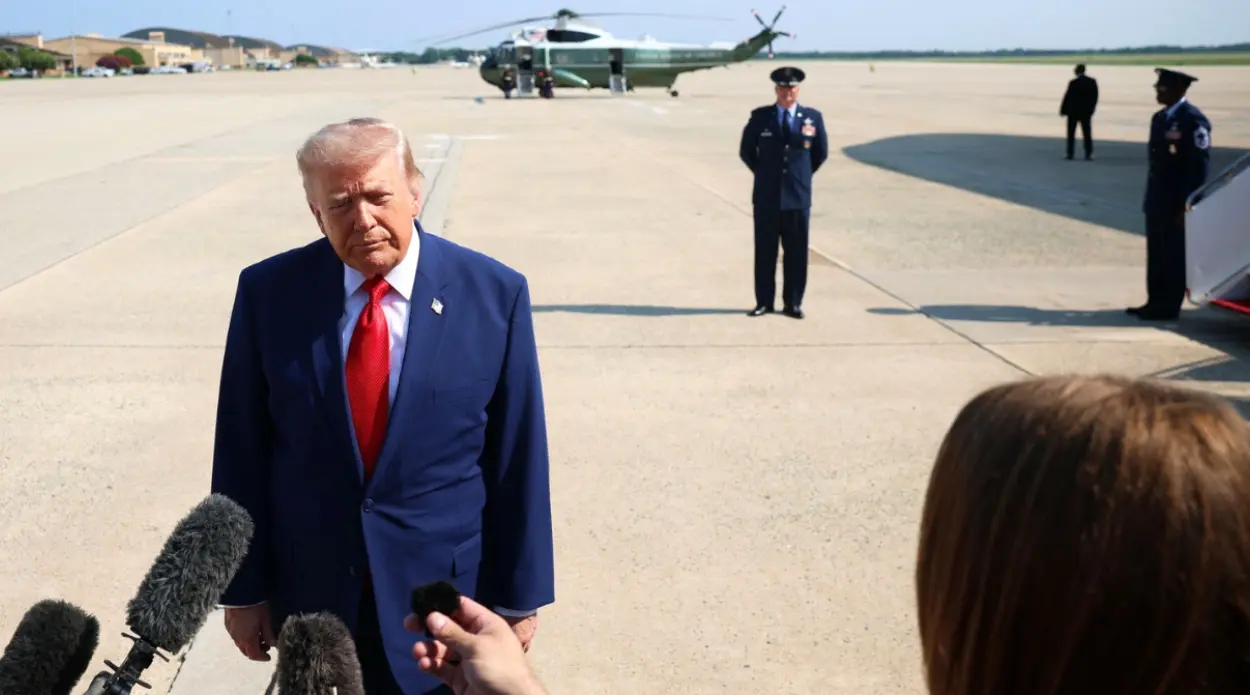
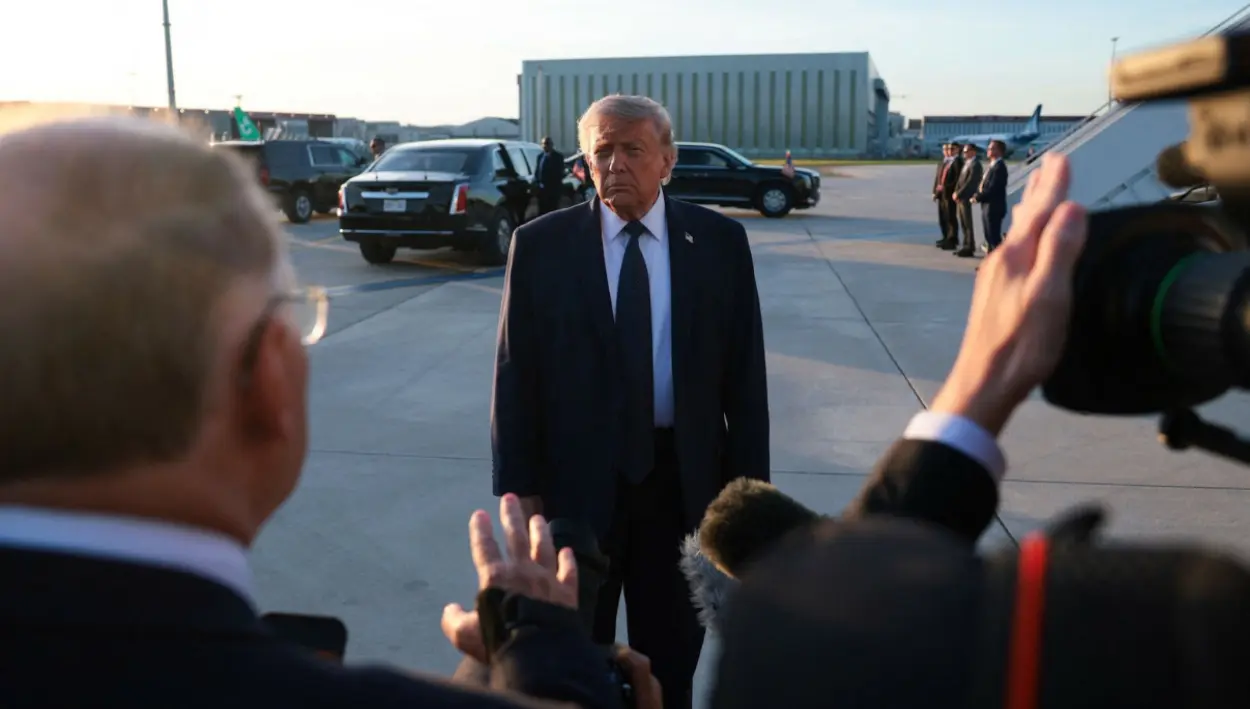
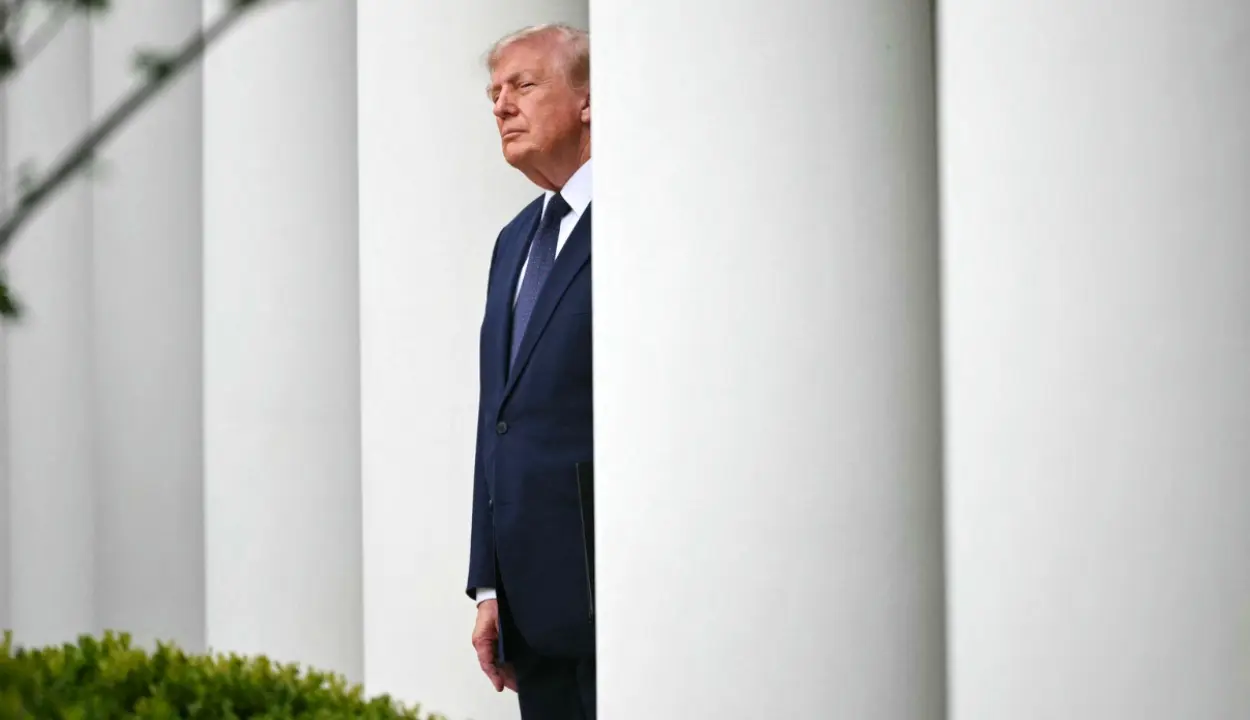
However, the balance of power is decisively changing. Analysts from ING Think and MUFG Bank point out that the further direction of USD/PLN depends on President Donald Trump’s approval of an agreement with Iran. The final opening of the Strait of Hormuz could strongly depreciate the USD. MUFG experts expect a clear devaluation of the US currency in the second half of 2026 and the first quarter of 2027.
Chart. Dollar to zloty rate (USD/PLN).

Source: Trading Economics
See also: Dollar rate before the breakout – a well‑known bank claims. Upcoming data could change the direction of USD/PLN and EUR/USD
Pound in political turmoil, euro waits for Fed signal
Meanwhile the British pound on the GBP/PLN pair moved in May in rhythm with nervous and unpredictable political debates in the UK and deep signals coming directly from the Bank of England. Institutional players reacted quickly and emotionally to politicians’ statements about new regulations in the local economy. Moreover, social unrest and the waves of problems faced by Prime Minister Keir Starmer added considerable uncertainty to the pound market.
Nevertheless, official forecasts from MUFG Bank and RBC Capital Markets on 29 May suggest an interesting turnaround – the market currently prices a scenario in which US rates will start falling faster than in the UK. Such a differential could relatively strongly support the pound against the USD, positively affecting cross rates with the Polish PLN.
Chart. Pound to zloty rate (GBP/PLN).

Source: Trading Economics
On the world’s main currency pair (EUR/USD), dominated so far by Middle Eastern news, the euro received solid, fundamental support at the end of the month. It stemmed from the risk of higher-than‑expected inflation in Germany, where a reading above 3.0% is possible, immediately pushing bond yields higher.
ING Think analysts estimate that the resumption of activity in the Strait of Hormuz will trigger a strong relief rally on the EUR/USD pair, potentially lifting the rate by over 1%. However, maintaining levels above the 1.180 barrier will require a significantly more favorable euro interest‑rate differential – meaning dovish signals from the Fed.
Chart. Euro to dollar rate (EUR/USD).

Source: Trading Economics
See also: Euro waiting for an inevitable drop. One decision could trigger a strong EUR move
Source: ING Think, MUFG Bank, RBC Capital Markets