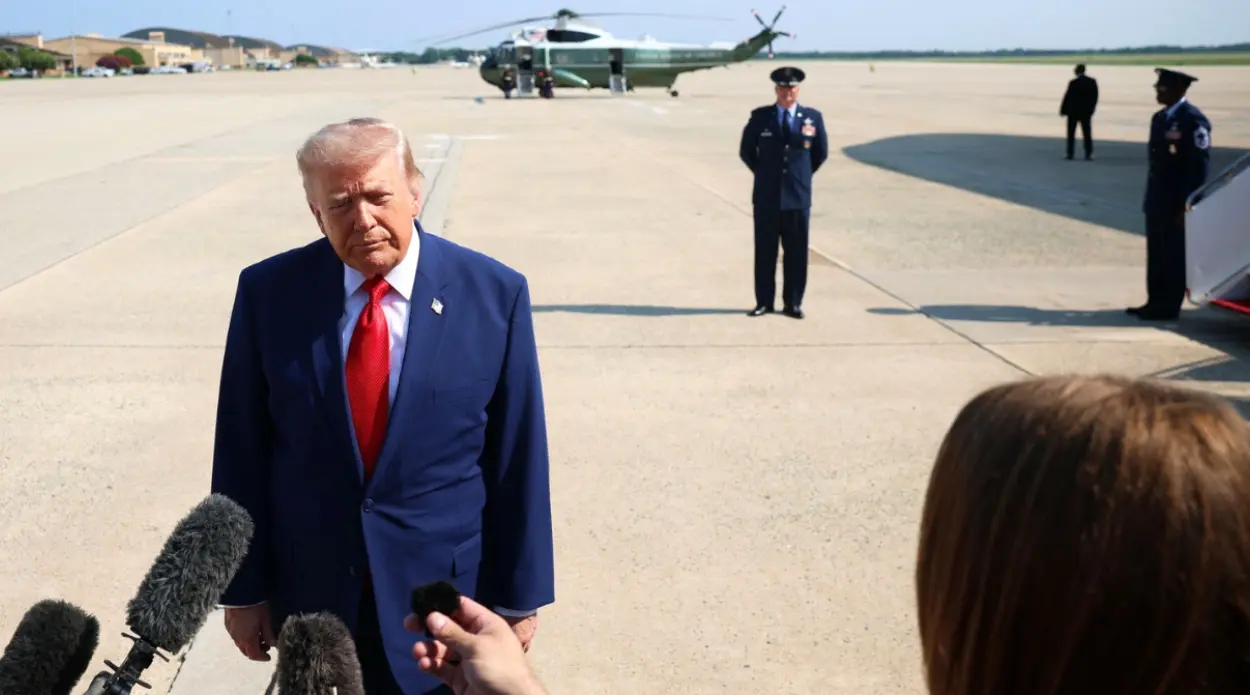
Iran announced yesterday that it would lift the transit of ships through the Strait of Hormuz, but on commercial terms, which Donald Trump firmly rejected. Americans also do not want to agree to the removal of Iranian uranium to one of Tehran’s "allied" countries – Russia is mentioned, though China is also involved. The US administration is also reluctant to lift sanctions quickly, which Tehran is pressing for, especially the unfreezing of Iranian funds blocked for years.
The parties simply do not trust each other, and further provocative actions (last night) undermine the sense of further negotiations, causing markets to react nervously. Oil rose, offsetting part of yesterday’s decline, equity markets fell, the dollar gained – markets shift to risk‑off mode, and statements from US Secretary of Defense Lloyd Austin do not clearly indicate that a return to more concrete military actions against Tehran is excluded. Meanwhile, another weekend is approaching.
Euro around 4.23, dollar rises to 3.645z-
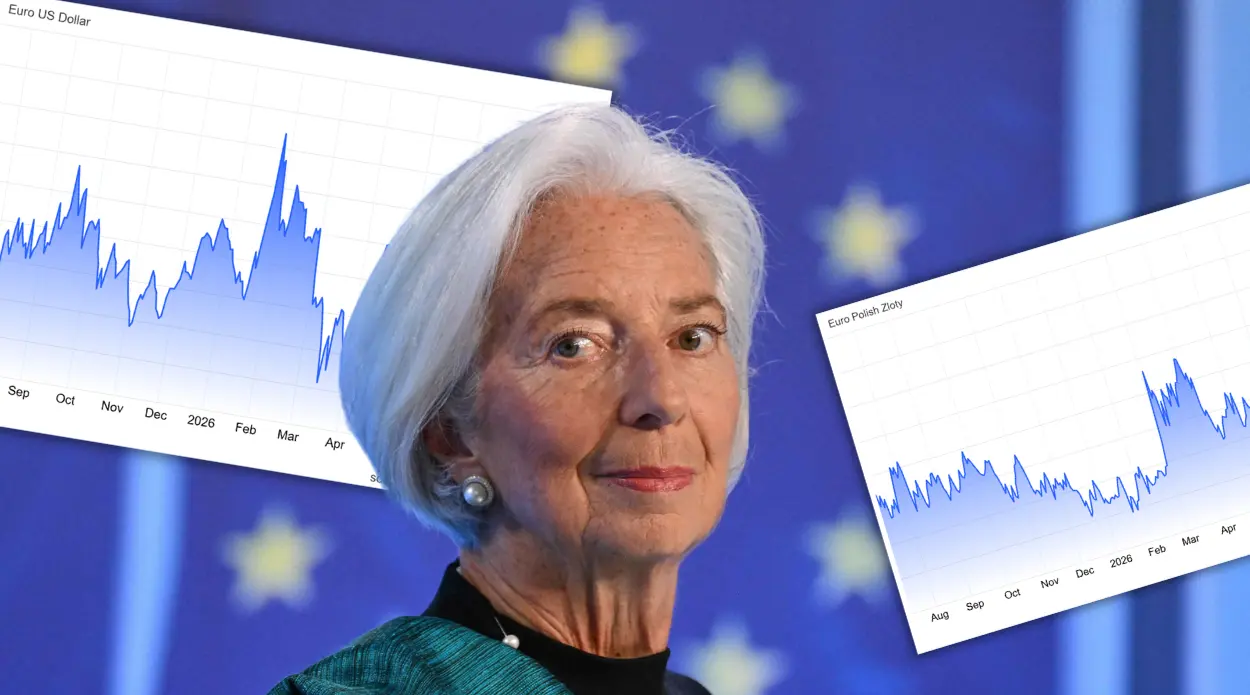
The zloty reacts to the rise in global risk, but in a balanced way. The EURPLN pair remains in a range around 4.23, while USDPLN reacts with a rise to 3.6450 following the decline of EURUSD, though this move was partially reduced. What next?
Today’s macro calendar has two important pieces of information from the euro zone – the May business indicators (at 11:00) and notes from the last ECB meeting (at 13:30) – regardless of their reading, the ECB rate hike at the June 11 meeting is essentially predetermined.
Meanwhile, at 14:30, markets will receive important information on the US PCE Core index for April – a fairly significant release for assessing potential Fed moves.
These reports will have a significant impact on EURUSD, which in turn will translate into USDPLN fluctuations.

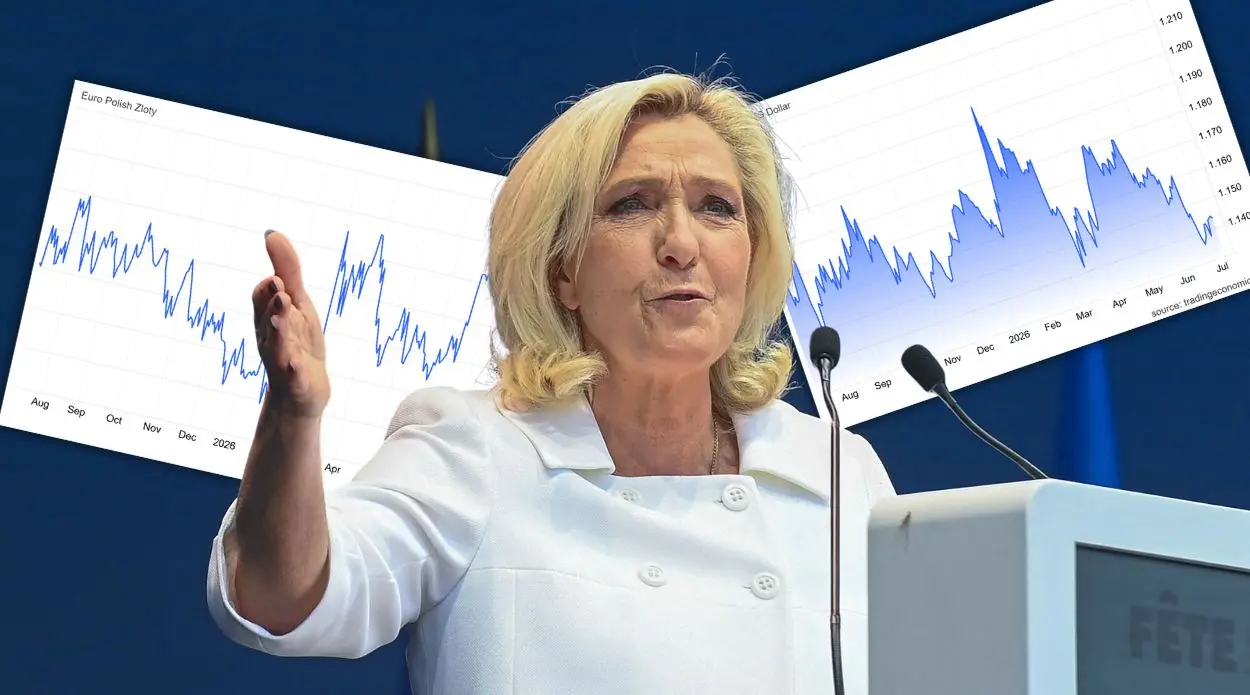
Daily EURPLN chart

Daily USDPLN chart