Pressure on the zloty should ease
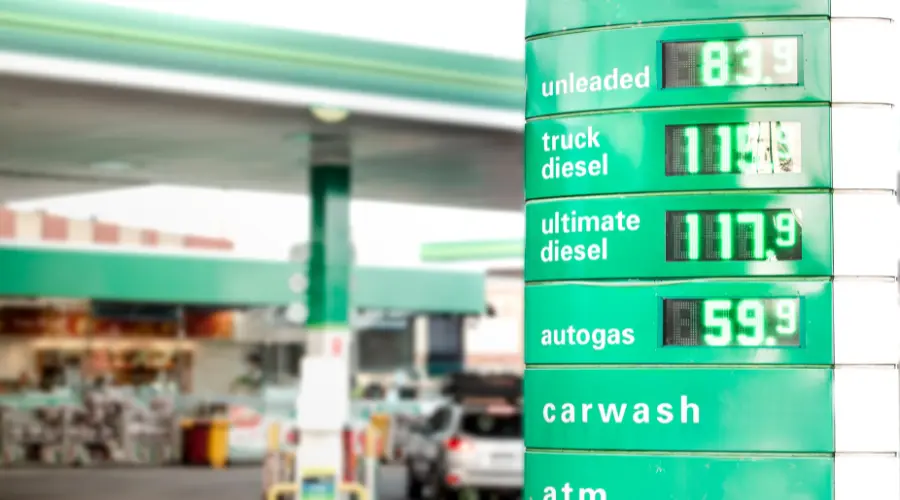
We assume that in the first weeks of Q2 the situation in the Middle East will remain tense, reflected by the continued high prices of oil and gas. In the later part we expect a gradual de-escalation of the conflict, leading to the fading of the energy shock and improved investment sentiment.
The zloty, like most currencies of energy-importing countries, especially from the emerging markets basket, is harmed by the prolonged conflict in the Persian Gulf, but its exchange rate is supported by the good condition of the Polish economy, and in the event of stronger market disruptions the possibility of stabilisation measures by the Ministry of Finance and the NBP.
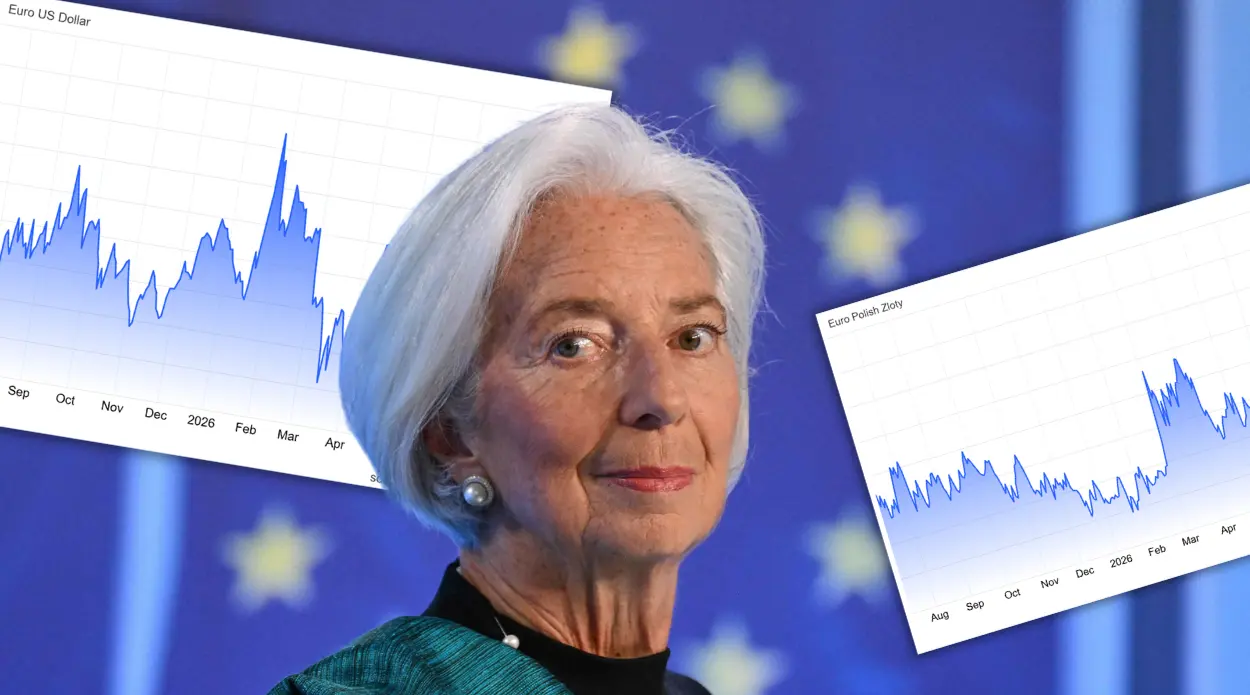
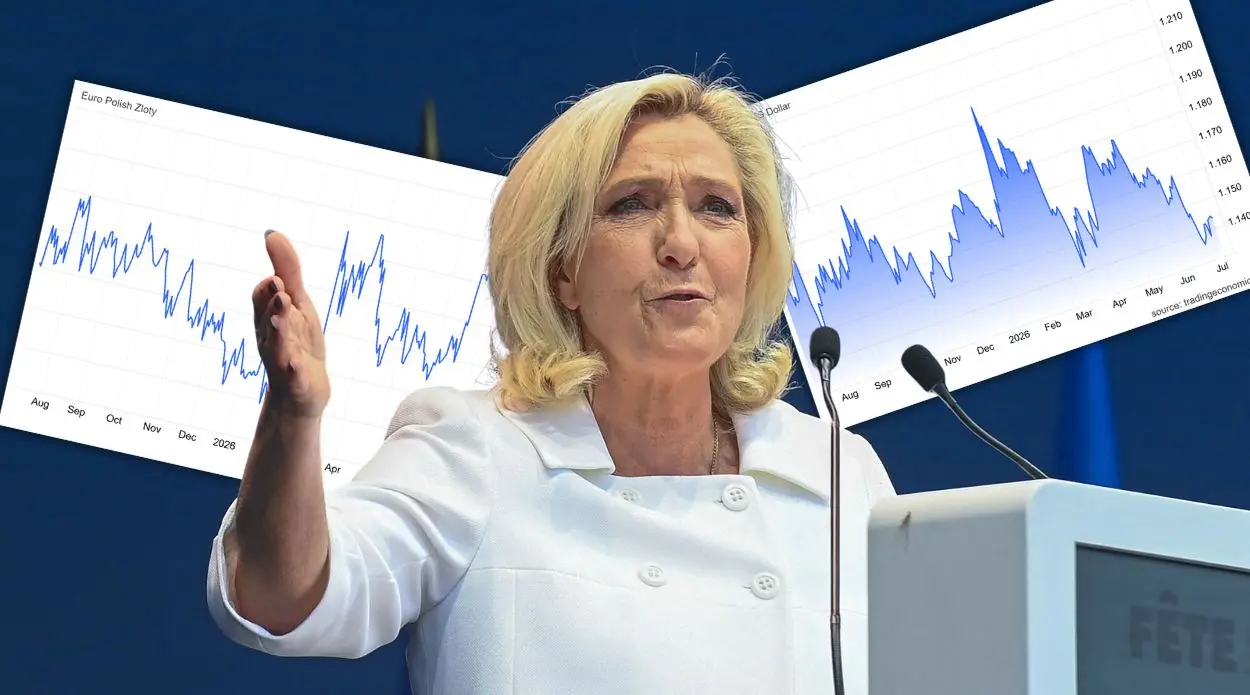
As a result, pressure on the zloty is moderate and should weaken over time, which will favour the stabilisation of the rates EUR/PLN and USD/PLN around the levels that were moving in the second half of March this year.
Forecast for the euro, dollar and Swiss franc
 Risk aversion rise, benefiting the US dollar
The conflict in the Persian Gulf caused a serious restriction of the supply of energy resources, as about 20% of global oil and LNG consumption and significant amounts of petrochemical products flow through the Strait of Hormuz, raising the risk of a stagflation scenario in the global economy. This led to an increase in risk aversion, which benefited the US dollar. Such an environment does not favour emerging market currencies, including the zloty, which, however, has weakened only slightly compared to previous market shocks (especially after the outbreak of the war in Ukraine).
Nevertheless, for the strength of the Polish currency, energy prices are very important, as their rise worsens the economy’s terms of trade, raises the cost of business operations and reduces household disposable income due to higher inflation. Our updated forecasts assume that the current account deficit in 2026 will widen to about 2% of GDP, which should still be an acceptable level for investors.
In the base scenario we assume that by mid-year there will be a clear de-escalation of tensions in the Middle East, as the economic and political costs of war are very high, especially for states directly involved in the conflict.
However, de-escalation will probably not mean a quick return to full normalisation of energy supply, partly because part of the extraction and processing infrastructure has been destroyed. For this reason, by the end of Q2 2026 we forecast the maintenance of the rates EUR/PLN, USD/PLN and EUR/USD around the levels at the beginning of April this year, i.e. 4.28, 3.69 and 1.16 respectively.