Inflation in Poland
Yesterday we learned the preliminary data on price changes in Poland for June. Analysts expected a slowdown in the growth rate from 3.1% to 2.7%. In the end, inflation turned out to be 2.5%. This is theoretically very good news for our portfolios. Theoretically, because if that portfolio has to finance overseas holidays, it becomes a problem.
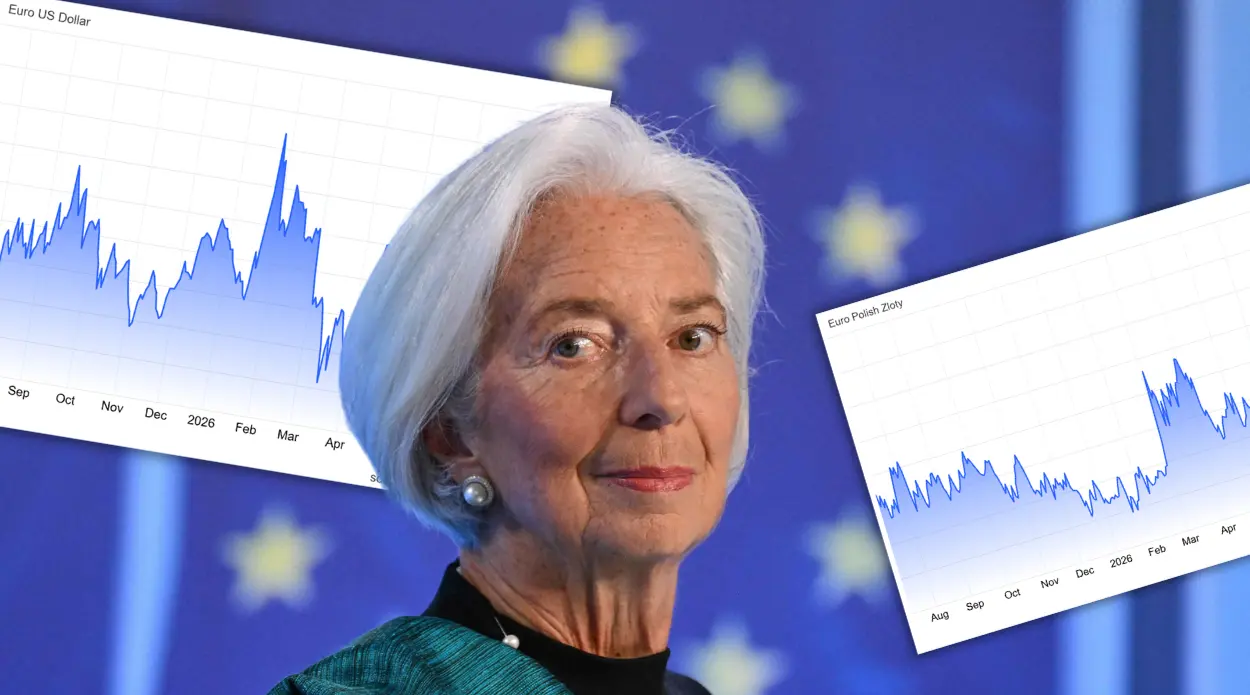
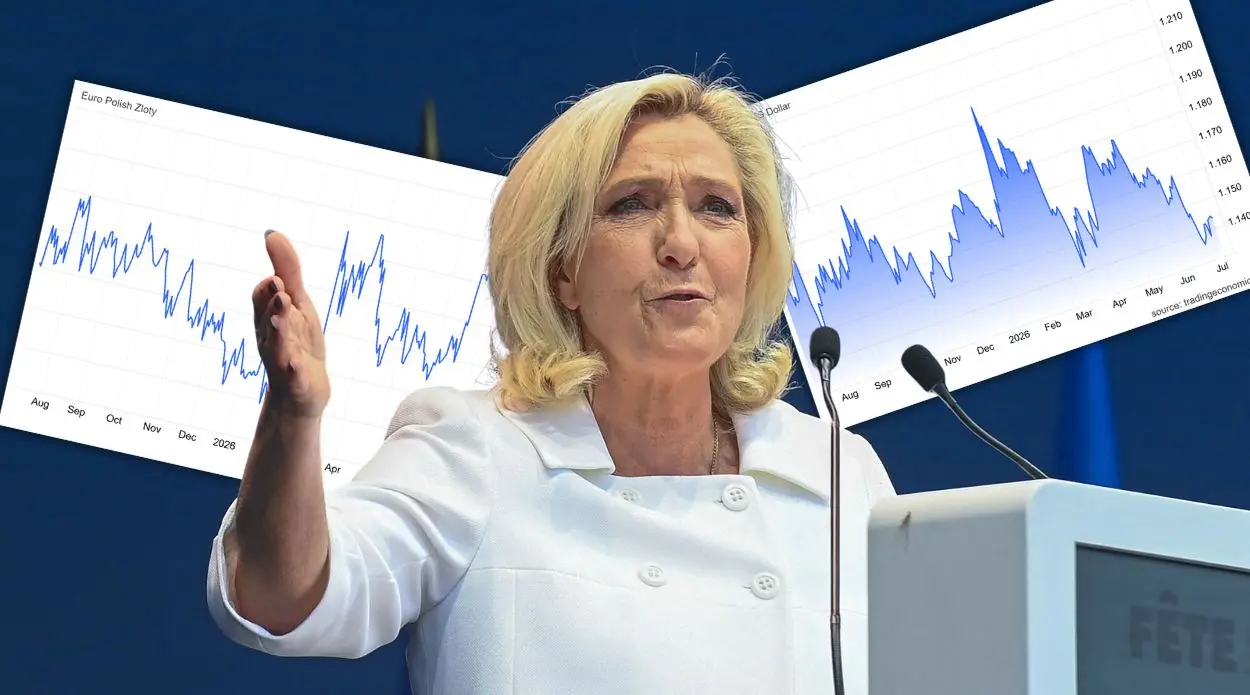
Inflation falling exactly to the target means that markets expect further interest rate cuts. The lower the rates, the weaker the currency. That is why we watched yesterday the euro's approach above 4.30 PLN.
The expected drop in interest rates is also visible in bonds, whose yields, to the finance minister's delight, are falling.
Not worse in Europe
While data from Spain could scare us about the direction the eurozone is heading, yesterday's readings from Germany and Italy should calm us. Inflation in Italy fell from 3.2% to 3.0% in June, even though a drop to only 3.1% was expected.
Germany did even better. The market expected a price growth rate of 2.6%, but saw 2.3%. If price levels are under control, it shows that the chances of further rate hikes are small.
Of course, nothing dramatic will happen in geopolitics. It is the falling expectations for the level of interest rates that cause the euro to rise. Yesterday we saw not only a painful move for our potential holidays in the euro, but also a strengthening of the common currency against the dollar.
Data from across the ocean
Yesterday was also rich in US data. It started with the S&P/Case-Shiller home price index.
The rise in prices turned out to be higher than the market expected. The Chicago PMI, however, seemed more important, at 56.7 points. This was a level that exceeded expectations by almost a point. It is worth remembering that in May we had a much better result, at 62.7 points.
From this perspective, the latest data no longer look so good. The consumer confidence index fell below expectations. Meanwhile, the number of vacancies according to JOLTS turned out to be higher than forecasts. This shows us two things.
On one hand, more jobs give good prospects for the local labor market. On the other hand, many of these vacancies require specialists that are currently not available in the market. The market took this data package fairly cautiously. No major changes were seen in the dollar.
Today in the macroeconomic calendar there are no important readings.