Is the strong U.S. labor market myth breaking? NFP data show clear slowdown
Thus, the 3‑month average for NFP, which hovered just below 200,000 in May, now gives a decidedly weaker picture after June’s release – about 111,000. The fact that businesses are creating jobs is confirmed, but the pace has clearly faded. The sectoral mix remains highly varied, dominated by the unchanged health care and social assistance sector (about 47,000 in June). Interestingly, a sharp drop of 61,000, which pulled the entire NFP figure sharply down, occurred in recreation and hospitality.
Do we see confirmation of media reports that the boost for the sector from the World Cup organization is disappointing? In manufacturing sectors, there is a gradual increase in construction jobs, likely linked to intensified high‑technology investment. In industry it is rather stagnant.
The household survey shows an even weaker picture. The unemployment rate fell from 4.3% to 4.2%, with a solid drop in the number of employed people (–507,000) and a simultaneous decline in labor force participation, which is now only 61.5% versus 62.5% at the end of last year. Many factors contribute, including an aging society and tightened immigration policy. On the wage side (hourly rate) there is a stabilization of annual dynamics at about 3.5% year‑over‑year. As seen above, the labor market picture is not clear‑cut and hard to interpret for the Fed. On the one hand, this year we see job creation by firms, but it is quite selective. At the same time, more people are leaving the labor market, and wage dynamics are stabilizing at a slightly higher level.
The zloty benefits from a weaker dollar
Regarding the picture we had after the May data, we can speak of a cooler labor market, and thus less pressure on the Fed to tighten monetary policy. Yesterday’s market reactions moved in that direction – the intensity of bets going against the hawkish bank communication crystallizing from the June meeting.
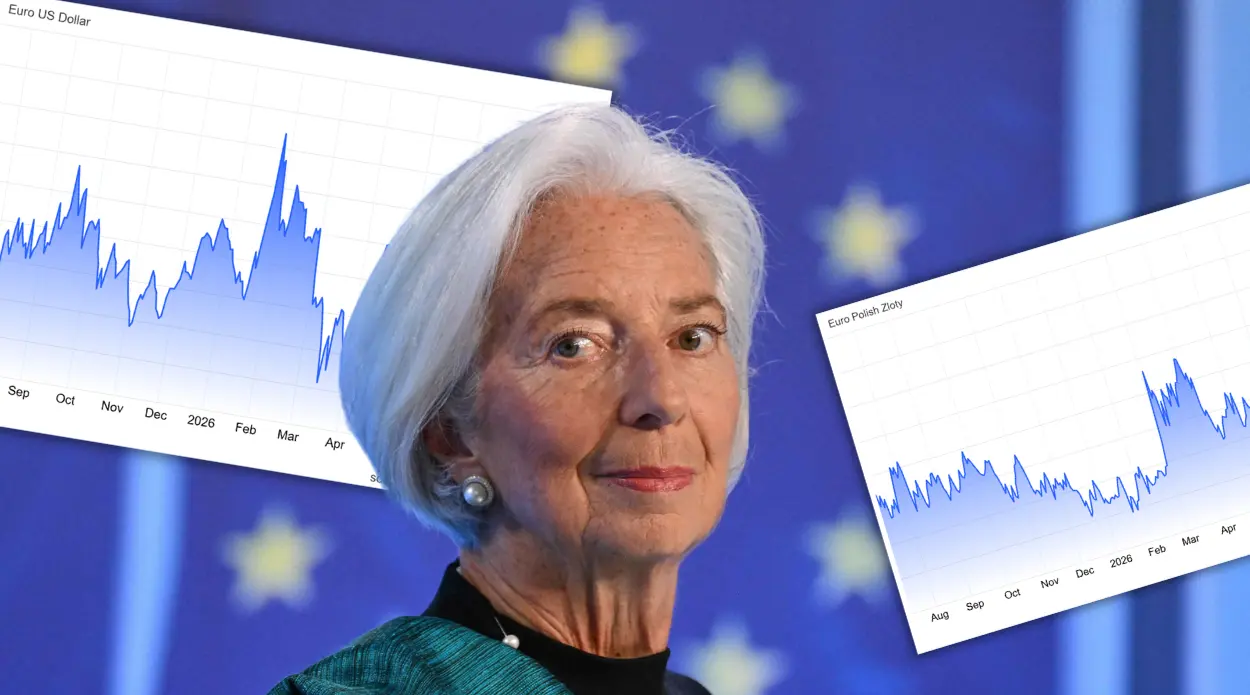
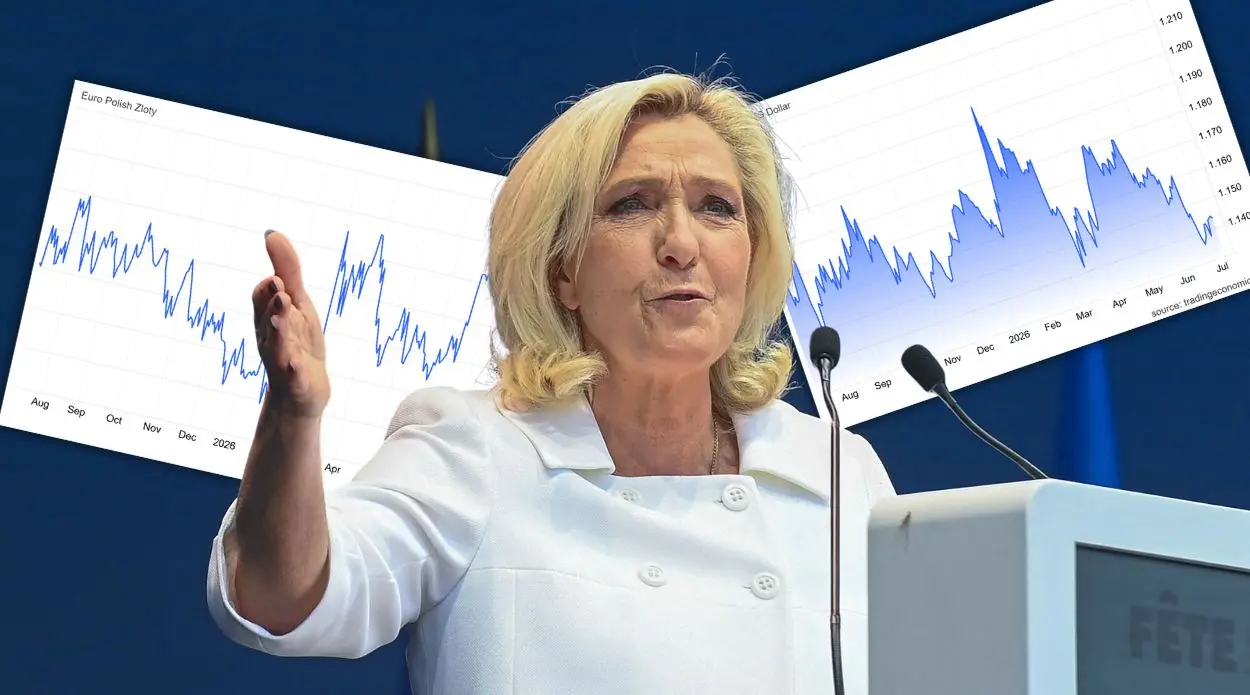
Weaker-than‑expected NFP allows a restart of the upward correction on the main pair. Yesterday the EUR‑USD rose 0.5% and ended the day clearly above 1.14. Weaker U.S. labor market data encourage bets on easing Fed policy, which automatically weakens the dollar.
The zloty benefits from a weaker dollar. Yesterday EUR‑PLN fell 0.1%, and USD‑PLN fell 0.6%. In the first case the rate ended the day around 4.29, in the second about 3.75. So far the zloty has been moderately benefiting from bets on a less hawkish Fed, as there is a willingness to play for further easing rhetoric from the RPP.
National debt has a stronger backing. Yesterday the yields on national benchmarks fell about 5 basis points. 2‑year yields are now around 4%, and 10‑year yields 5.2%. In both cases these are the lowest levels since the first half of March.
The market increasingly plays for a future NBP rate cut and also waits for next week’s RPP meeting, which will answer how the Council approaches current trends in the energy market and the favorable inflation picture. Does it already see arguments to consider rate cuts or is it definitely too early?
Today before noon, final June PMI data for the euro zone services sector and parts of the euro zone countries will be published.
The preliminary reading showed an increase from 47.7 to 48.9.