Is escalation hanging in the air?
Investors fear an intensification of war actions in the Middle East. Uncertainty is not reduced even by the news of a three‑week extension of the ceasefire between Israel and Lebanon. For markets, the lack of tangible progress in U.S.–Iran talks is more important.
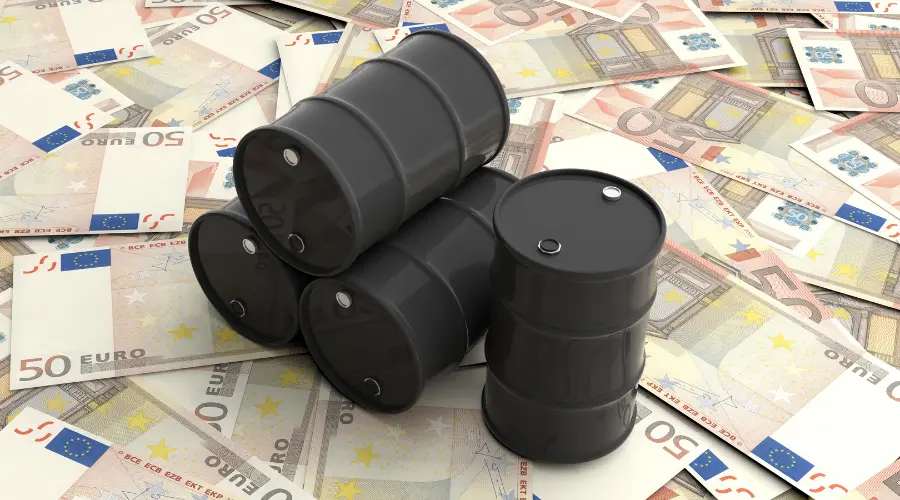
Fear is fueled by reports of possible renewed attacks by Israel on Iran in the coming days. Added to that is the enforcement of the Strait of Hormuz blockade. Consequently, oil prices rise for the fourth consecutive day. U.S. crude quotes in Friday afternoon surpassed 97.5 USD per barrel.
I remind that we started the week at 88 USD. The rise in escalation fears is also visible on the upward trends of government bond yields of many countries (USA, Germany, Poland). If we receive de‑escalation news in the second part of today’s session, a direction change may occur on the charts.
“Green” buyers
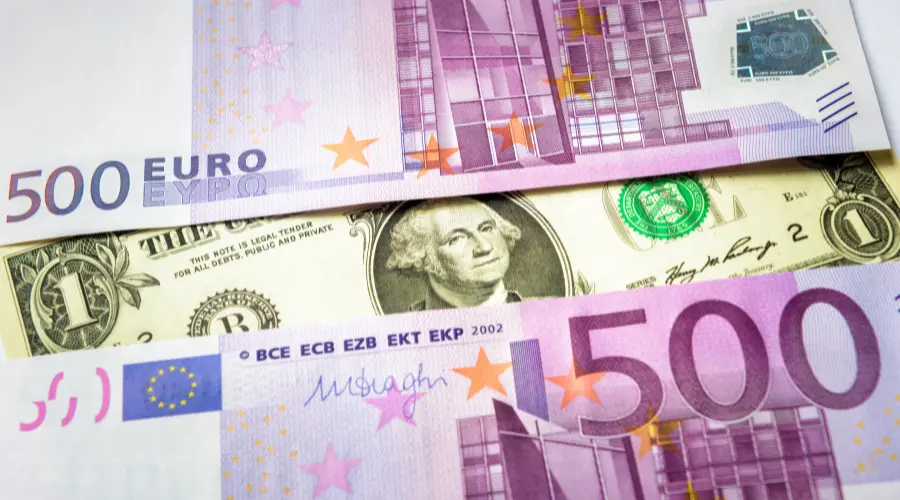
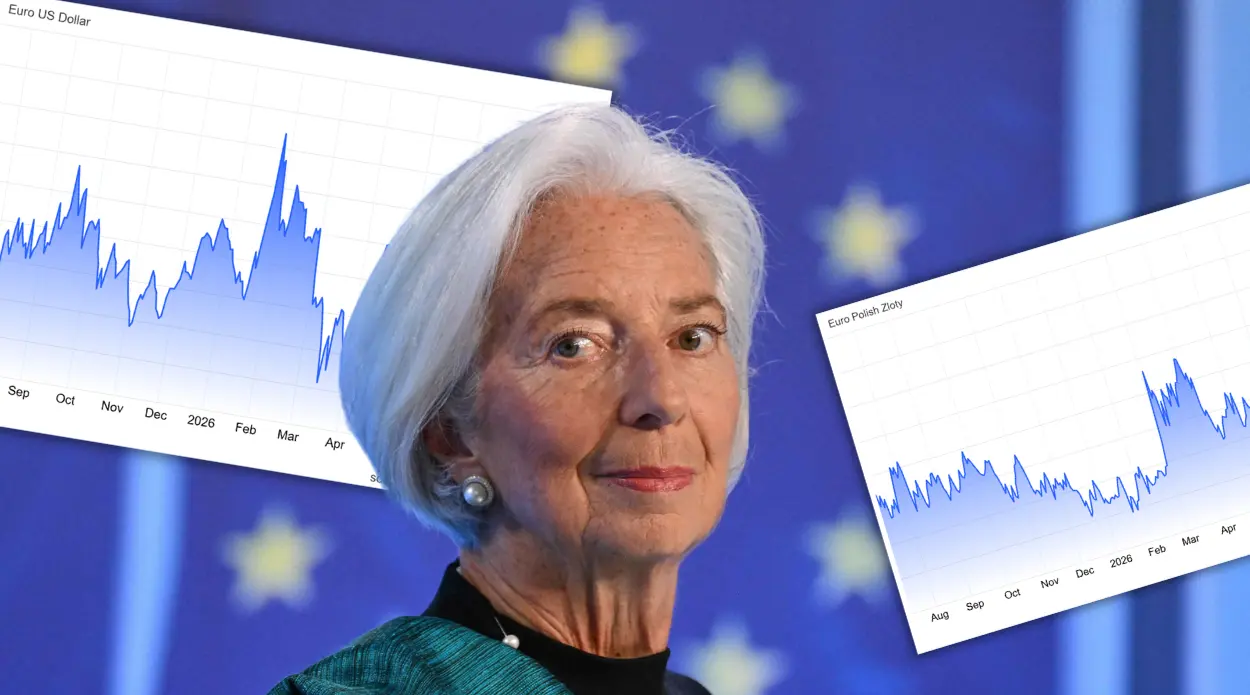
On forex, capital still holds in safe havens, which is perfectly illustrated by the dollar index. In the last three sessions we experienced an increase of the index from 97.9 points to 98.6 points. This means a strengthening of the U.S. currency against the basket of major currencies. The euro has the greatest weight, which has recently shown a decline on the EUR/USD chart. In the middle of the past week the euro did not defend the 1.175 USD support.
Another setback was falling below 1.17 USD. Today the common currency bears a fatal reading of the Ifo Institute Index, which fell from 86.3 points to 84.4 points. The last time we were lower was in May 2020, during the pandemic recession.
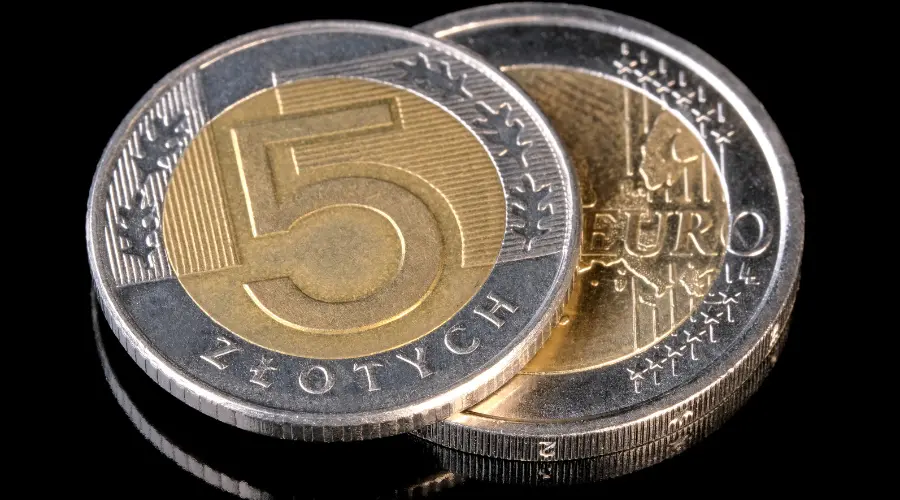
When fear dominates forex, interest in local currencies wanes. The victim of this phenomenon is the zloty, which for the past week will probably end up losing to the euro or dollar. The EUR/PLN rate in Friday afternoon was above 4.24 PLN, and USD/PLN at 3.63 PLN.
Meanwhile, the biggest losses in recent days were experienced by the national currency on the GBP/PLN chart. Currently the pound is supported by hawkish data (higher inflation, rising forecasts for services and industry), which today were supplemented by better-than‑expected sales (1.7% y/y, forecast 1.3% y/y). This caused the quotes to sometimes exceed 4.90 PLN.
Japan is in trouble
The country of the Blooming Cherry is under increasing pressure. The Middle East conflict has exposed the country’s dependence on energy resources imported from that region. That is partly why today we received higher-than‑expected March price dynamics. Consumer inflation rose from 1.6% y/y to 1.8% y/y.
In monthly terms, the upward trend was 1.5% (previously 1.3%). The hawkish reading does not strengthen the yen, just as Japanese policymakers’ declarations of currency stabilization or possible interventions. Combined with a strong U.S. dollar, this gives us a rise in the USD/JPY rate.
This morning’s quotes, already for the fourth time this month, dangerously approached 160 JPY. After 13:00 we see a trend reversal, which – if maintained – could pull us away from the critical resistance.