What about the debt?
The market clearly shows that investors expect higher returns on bond investments. Just two weeks ago, Polish 10‑year bonds were traded at an annual yield of 5.6%. Today, at a risk level of over 6%, creditor demands are rising.
What has changed in Poland during this time? Basically nothing. Globally, however, the belief is progressing that a few months ago we overvalued the scale of interest rate cuts in the coming years. Since the indicators will be higher, investor expectations for borrowing money from governments also rise.
>>> Also read: Bloober Team and 11 bit studios stocks are wild. Digital Dragons awards given. The stock exchange rewarded the winners?
This is not just a Polish problem. The US also borrows more, which has caused most of this turmoil and the economies of Western Europe. What does this mean for Poland? Our country is indebted at almost 60% of GDP, meaning about a quarter of our GDP goes to debt servicing.
EURUSD below 1.16
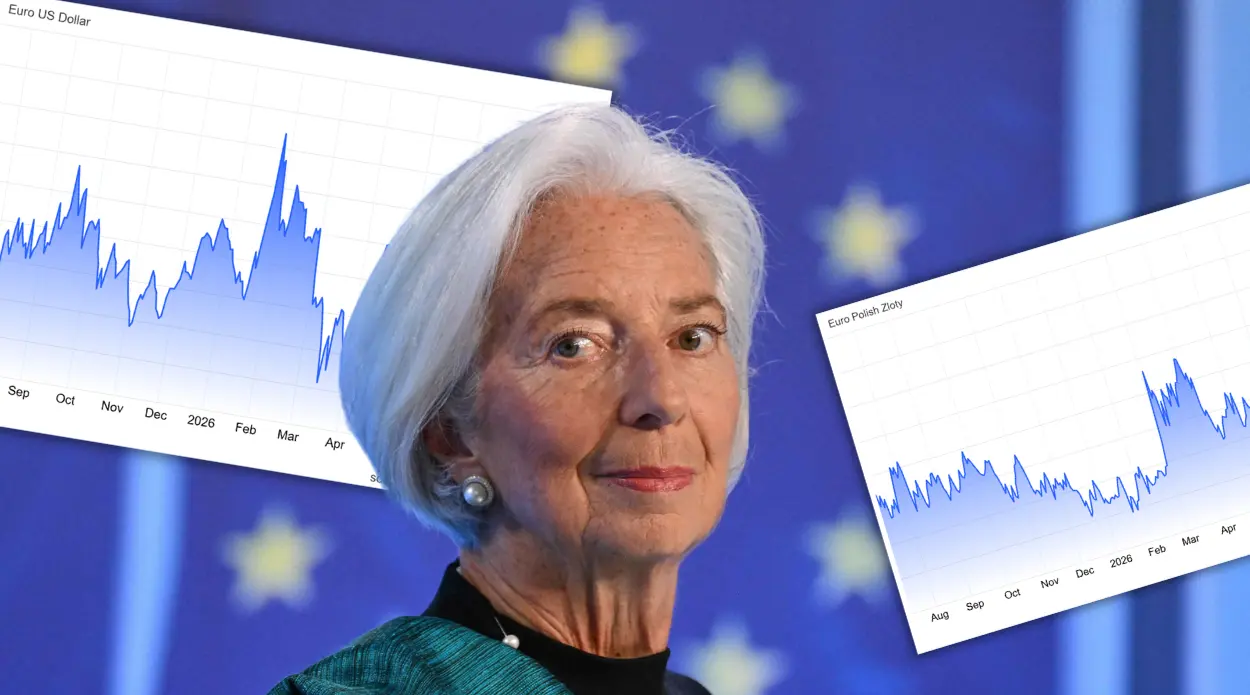
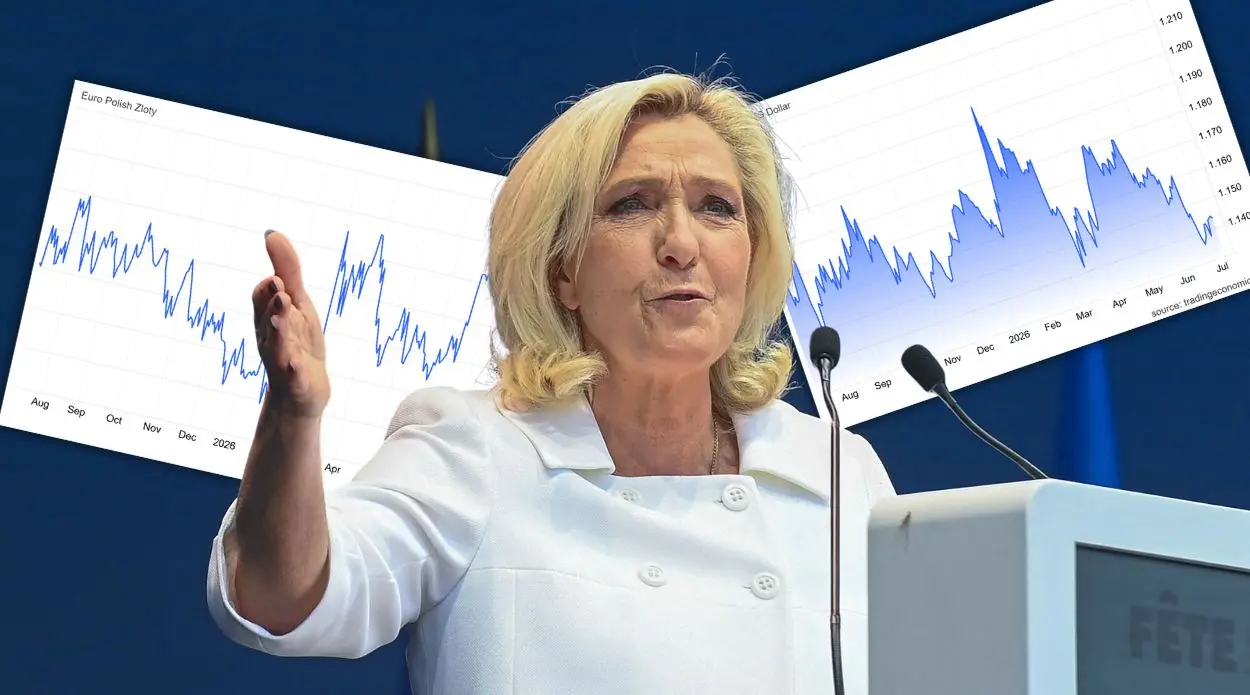
Markets are preparing for the worst. This is evident from the U.S. dollar’s trading, which sucks in capital like a vortex. Just last week, 1 EUR was worth 1.1750 USD. Yesterday we were already at 1.1600. The dollar is the place where capital flees in tough times. Many analysts wonder whether the current war in the Persian Gulf will flare up.
The U.S.–China meeting did not bring a resolution, despite the absurd flirtations of the presidential administration suggesting the possibility of renegotiating Taiwan’s security.
The current situation already looks somewhat desperate. Oil prices are fairly under control, but that is mainly because more countries are releasing commodity reserves into the market. The suspension of sanctions on Russia for another month, allowing it to finance its aggression in Ukraine, is also significant. The more markets fear escalation, the stronger the dollar becomes.
A pleasant surprise in Canada
Despite a weak negative surprise regarding the inflation indicator, not everything is bad. Canada pleasantly surprised us yesterday. Analysts expected consumer inflation to rise to 3.1%. In fact, it was lower – prices rose 2.8% year‑on‑year.
The main reason was a clearly lower-than‑expected core inflation. As a result, despite the energy crisis triggered by the U.S. war in the Persian Gulf, Canadians do not feel it as acutely. Immediately after the release, the Canadian dollar weakened against the U.S. dollar. However, this was a temporary move.
Today, the macroeconomic calendar lacks important readings.