Thursday - currencies, bonds, stocks
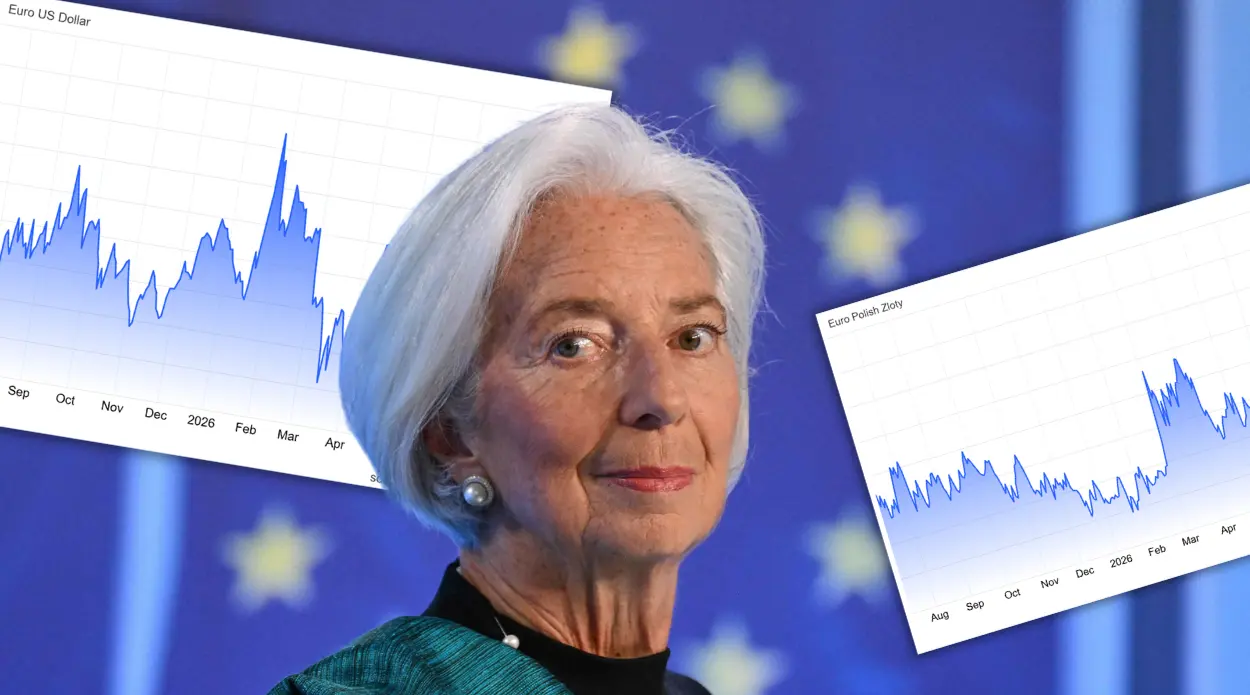
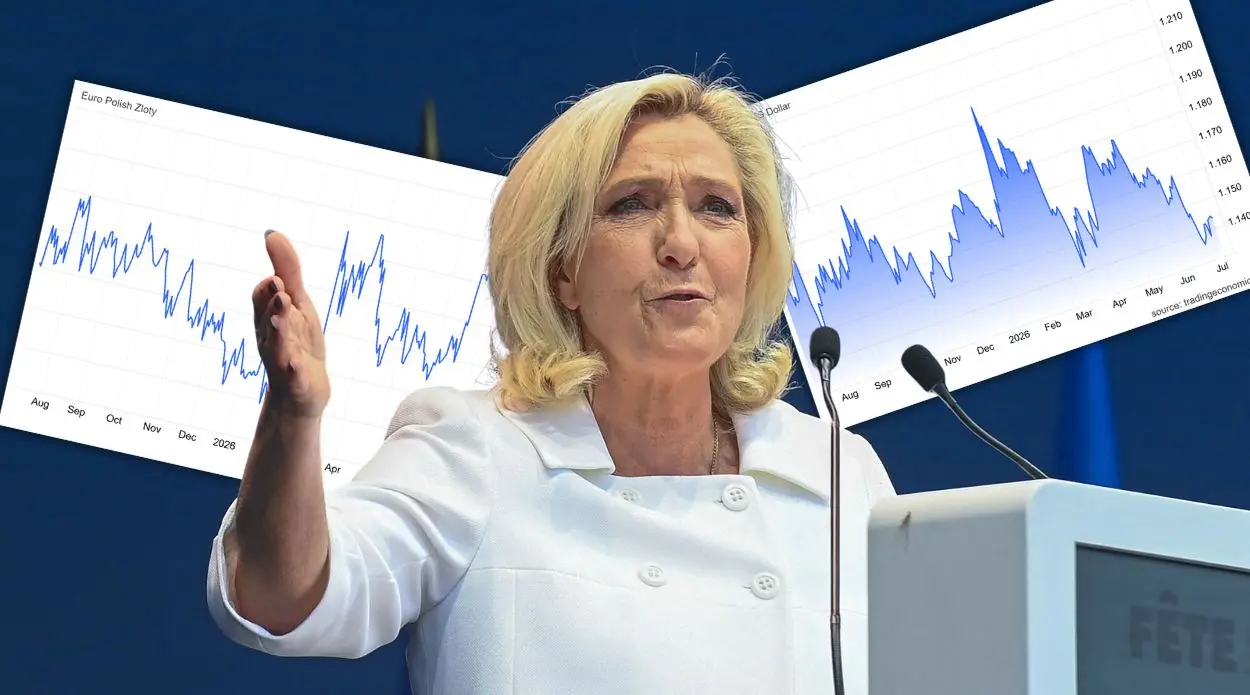
The zloty on Thursday ultimately strengthened against the euro and the dollar, with the EURPLN rate falling to 4.24, and USDPLN to 3.65.
On the major markets, EURUSD fell to 1.1620.
FX market volatility was elevated on Thursday, and prices remained influenced by macro data from major markets and incoming information about the situation in the Middle East.
The euro was under pressure from weaker-than-consensus preliminary May PMI indices from the eurozone, especially since comparable US data came out generally good. At the same time, geopolitical tension changed throughout the day.
On one hand, the market reacted to information from Iran suggesting a desire to keep enriched uranium, while on the other hand, US representatives signaled progress in negotiations. In such an environment, the main PLN pairs followed primarily the movement in major markets. The zloty initially lost, but by the end of the session recovered losses and finished the day strengthened.
Importantly, the Thursday session did not change the broader technical picture.
EURPLN remained in the middle of short‑term and medium‑term consolidation, USDPLN stayed below the resistance zone 3.66–3.68, and EURUSD remained above the key support near 1.1570.
On Friday, despite the publication of significant data from Germany (Ifo Institute index) and moderately important data from the USA, market sentiment will, in our opinion, remain mainly influenced by concerns about a possible weekend escalation of the conflict in the Middle East.
If positive signals do not arrive from the “negotiation front,” pressure on a stronger dollar, weaker euro and weaker zloty may arise.
Will the euro EUR/PLN rise to 4.28?
For EURUSD, key support is at 1.1570, and breaking it would open a path toward 1.14.
For EURPLN, the nearest resistance is 4.26, and overcoming it could move the rate toward 4.28.
In the case of USDPLN, a breakout above 3.68 would open a path toward March highs.
On Thursday, domestic Polish government bond yields changed by -2/-1bp. In the 10‑year segment, yields fell by 1bp to 5.93%, while on major markets, US Treasury and German Bund yields rose by 1bp, respectively to 4.58% and 3.10%.
FI market will remain in a waiting mode for new impulses from the Middle East
Oil price fluctuations, reflecting the variable dynamics of the situation in the Persian Gulf, continue to strongly influence the behavior of the interest rate market. After more promising mid‑week reports from the region, which led to a drop in its price, Thursday brought significant volatility, related to information suggesting Iran’s opposition to key US demands regarding Tehran’s nuclear program. On the other hand, US representatives emphasized that negotiations are moving in a positive direction.
Consequently, in rhythm with the above information, treasury bond yields also fluctuated. The Polish debt market was supported by data from the economy indicating weaker-than-expected industrial production and lower wage dynamics in the corporate sector. The resilience of domestic Polish government bonds relative to major markets was also aided by a successful treasury bond auction, where—under demand exceeding PLN 13 billion—the Ministry of Finance sold securities worth PLN 10 billion. Additionally, the Ministry successfully placed three tranches of CHF‑denominated bonds with a total value close to CHF 900 million, in the 3‑, 7‑ and 10‑year segments. Relative to the Swiss treasury curve, the tranches were placed at +58bp, +96bp and +111bp respectively.
We assume that on Friday the FI market will remain in a waiting mode for new impulses from the Middle East. We do not expect the situation picture to change significantly before the weekend.