RPP Decision and Unsurprising Statement
Referring to inflationary processes, the Council still highlighted the elevated price dynamics of fuels linked to the Middle East situation, accompanied by a reference to the core CPI component, which likely rose. On the other hand, wage dynamics in Q1 were lower than the previous period with continued employment decline in the business sector.
The forecast section of the document had no changes – geopolitical risks and their impact on energy commodity pricing and price dynamics still dominate. We assess that the Council, in the baseline scenario, assumes keeping interest rates unchanged in the coming months.
Only a clear penetration of price pressure from the commodity market into core CPI components would probably change the committee’s stance and potentially tighten monetary conditions. For now, however, this scenario is unlikely, especially with weakening wage dynamics and external threats to the outlook.
ADP Up with Good Structure
April saw a clear increase in private sector jobs compared to the previous month (109k, consensus 98k, previous 61k). Although we expected a higher reading (around 150k), the good structure of yesterday’s data compensates for this “loss”. The U.S. economy created jobs in industry, construction, and services.
In the last sector, growth was not only concentrated in healthcare – transport, trade, financial services, and recreation clearly contributed to the aggregate.
When broken down by firm size, the increases were relatively evenly distributed between small and large firms.
Wage dynamics (for those staying with the same employer) remained within the volatility of the last two years at 4.4% y/y (previous 4.5% y/y).

We assess the data positively despite not meeting heightened expectations from weekly estimates. Despite supply constraints (lack of migration), the number of new jobs rose sharply and the labour market’s condition was supported by negative external impulses.
De-escalation in the Gulf Brings Relief to Core FI
Potential easing of geopolitical tensions in the Middle East (details in the first paragraph) strengthened bonds. Short‑end UST yields fell even by more than 10bp at the peak of optimism. Ultimately, when the market began to stabilise and assess the real chance for a breakthrough, sentiment cooled slightly. Like previous weeks, macro data (ADP) did not affect Treasury pricing.
Finally, the U.S. curve moved down by 6, 7, and 5bp to 3.87% (2Y), 4.36% (10Y), and 4.94% (30Y). German securities, more sensitive to commodity impulses, gained more than their overseas counterparts. Ultimately, German debt yields at key nodes fell by 11, 8, and 5bp to 2.56% (2Y), 2.99% (10Y), and 3.53% (30Y).
First Thursday quotes in Europe are near yesterday’s close (4.35% on 10Y UST). The next day is unlikely to bring heightened volatility, but before the weekend another batch of positive Gulf information should arrive to maintain the appreciation on core FI.
Spectacular Strengthening of Domestic Bonds
The sharp oil price discount and positive market sentiment clearly supported long‑term debt in the region. Czech and Hungarian 10‑year yields fell by 14bp to 5.95% and 4.80% respectively.
In the domestic market, the PLNIRS curve moved down in a marginally tightening move of 17‑15bp. At the same time, the ASW margin narrowed noticeably – 5bp to 93bp on 10Y. Finally, at key nodes, SPW yield changes were –16, –22, and –20bp to 4.45% (2Y), 5.18% (5Y), and 5.59% (10Y).
During Thursday’s trading we expect to maintain yesterday’s gains and trade near 5.60% on 10Y POLGB. To continue yesterday’s move, as with core FI, another positive impulse is needed, which is unlikely to arrive in the near future.
Only Moderate Dollar Weakening
With such a sharp oil decline and new historic records on global equity indices, the depreciation of the U.S. currency was limited.
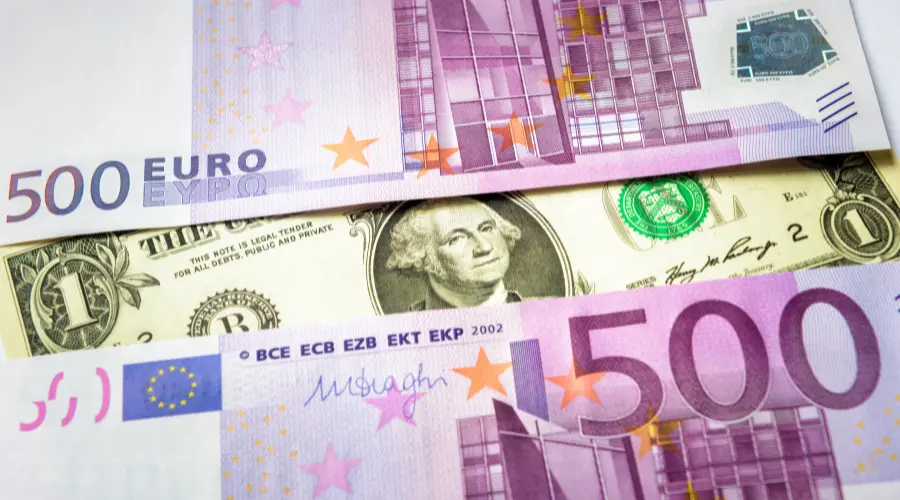
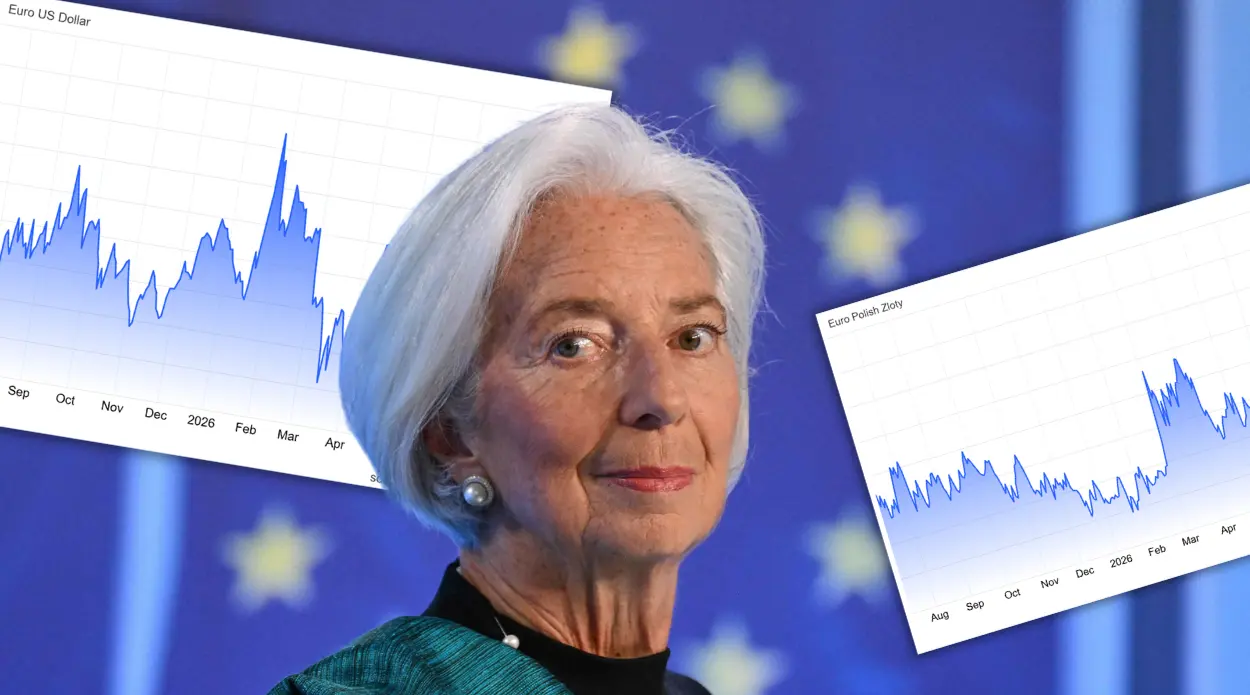
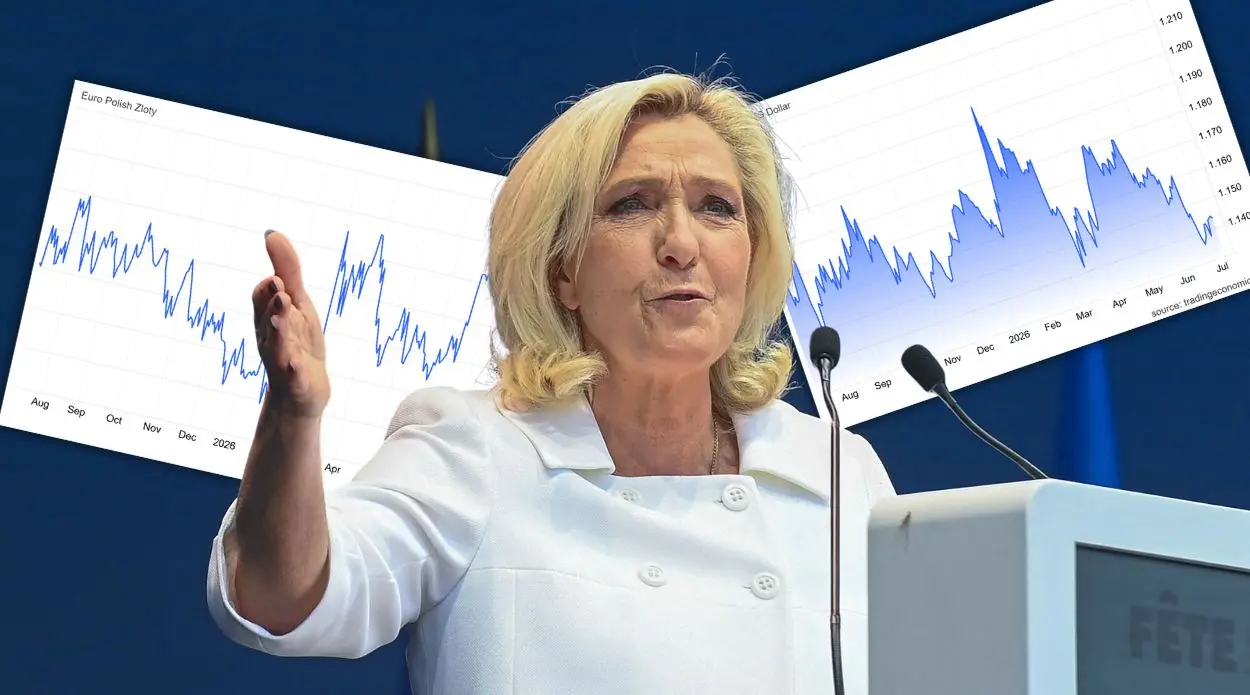
The DXY index fell yesterday by 0.45%, pushing EURUSD up 0.50% to 1.1750. EURCHF and EURGBP closed flat.
JEN, which during the Wednesday Asian session strengthened to the euro by about 1%, ultimately appreciated only 0.5%.
EURUSD opens Thursday’s European quotes near 1.1750. We believe core FX will remain in the regime of the past two months. Even with another strong impulse, volatility may be limited and most signals will be offset by debt instruments.
Euro Rate – Forecast for the Coming Days
Accumulation of positive impulses (oil price declines, equity index rises) supported CEE FX. Traditionally, the most appreciated was the forint, highly sensitive to global risk appetite – almost 1% to the euro. The Czech koruna and Polish zloty reacted much calmer to the optimism surge.
EURPLN moved toward 4.2330 (-0.35%), and EURCZK fell 0.2%.
We expect a deepening of yesterday’s falls on EURPLN. The domestic currency remains relatively insensitive to both negative and positive impulses.
To move toward 4.20 PLN per euro, the Gulf conflict must end and there must be real growth in the supply of energy commodities from the region.
For now, it is too early for such a development. Hence we assume EURPLN will trade in the 4.23‑4.24 range until the end of the current week.