Empty calendar of events from Poland
The empty calendar of events from Poland and the lack of new impulses from the global market environment for most of the day stabilized the zloty’s trading. Volatility was instead provided by the evening FOMC meeting, particularly the release of projections regarding future interest rate levels.
Up to 9 of the 19 committee members indicated the need for Fed rate hikes in 2026 amid growing inflation concerns.
This signals a hawkish shift compared to March projections, which pointed to a significant probability of rate cuts in the near term. Markets reacted accordingly, with a noticeable change in expectations from Fed officials.
Euro rate – forecast for the coming days
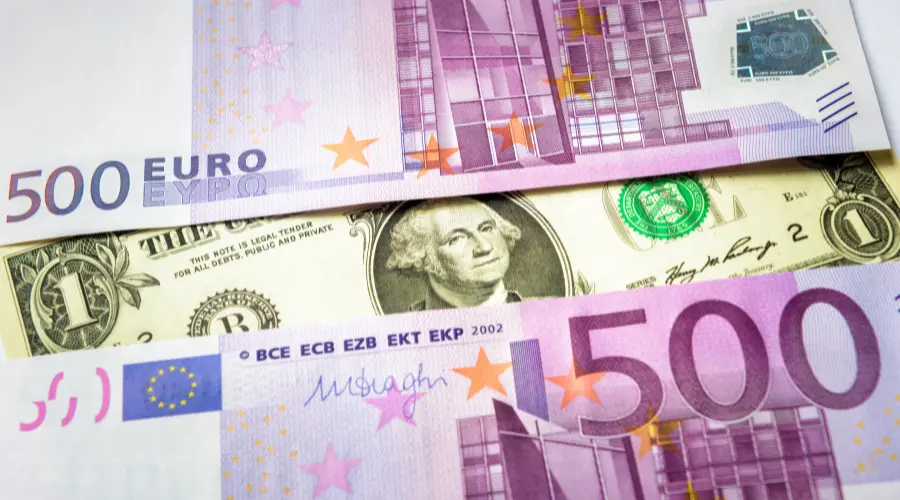
Rising market valuations of 2026 rate hikes, combined with a clear rise in UST yields, gave a strong impulse to the dollar’s strengthening.
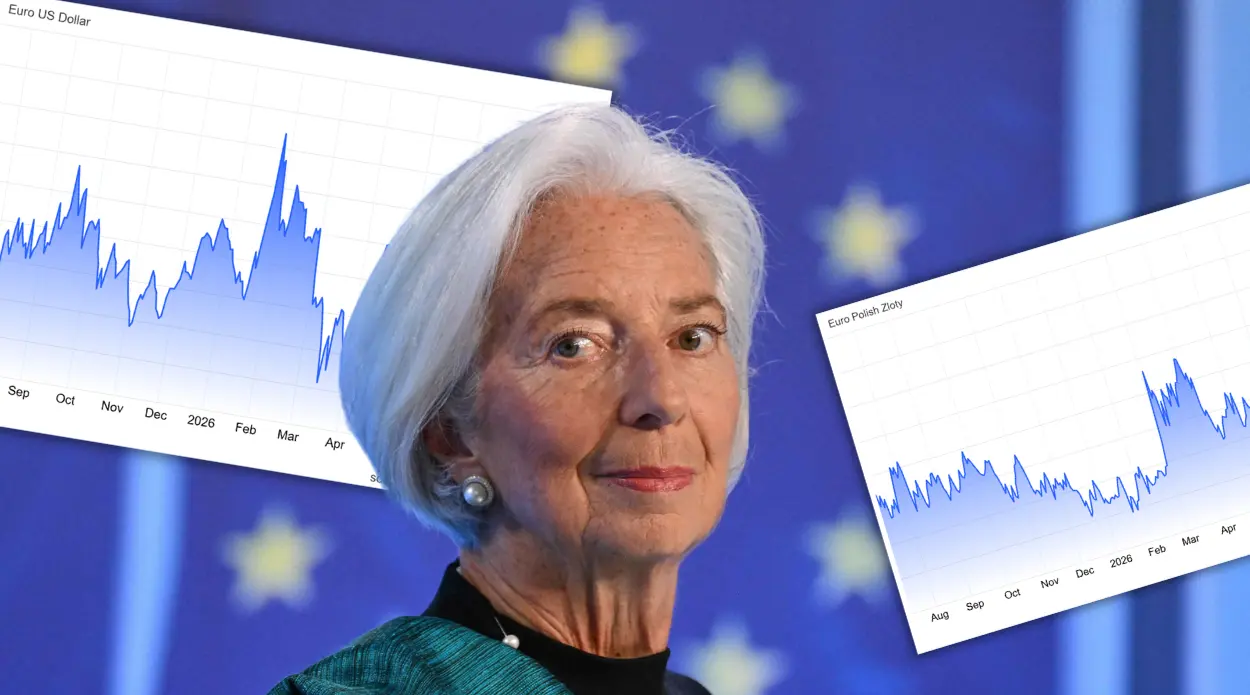
As a result, EURUSD breached key support at 1.1500 and USDPLN broke local resistance at 3.68.
The Thursday session will feature central bank decisions from Europe, but these should not have a significant impact on the main pairs with the zloty. Investors will likely focus on further discounting the Fed’s hawkish stance, though a substantial market reaction should limit today’s dynamic changes.
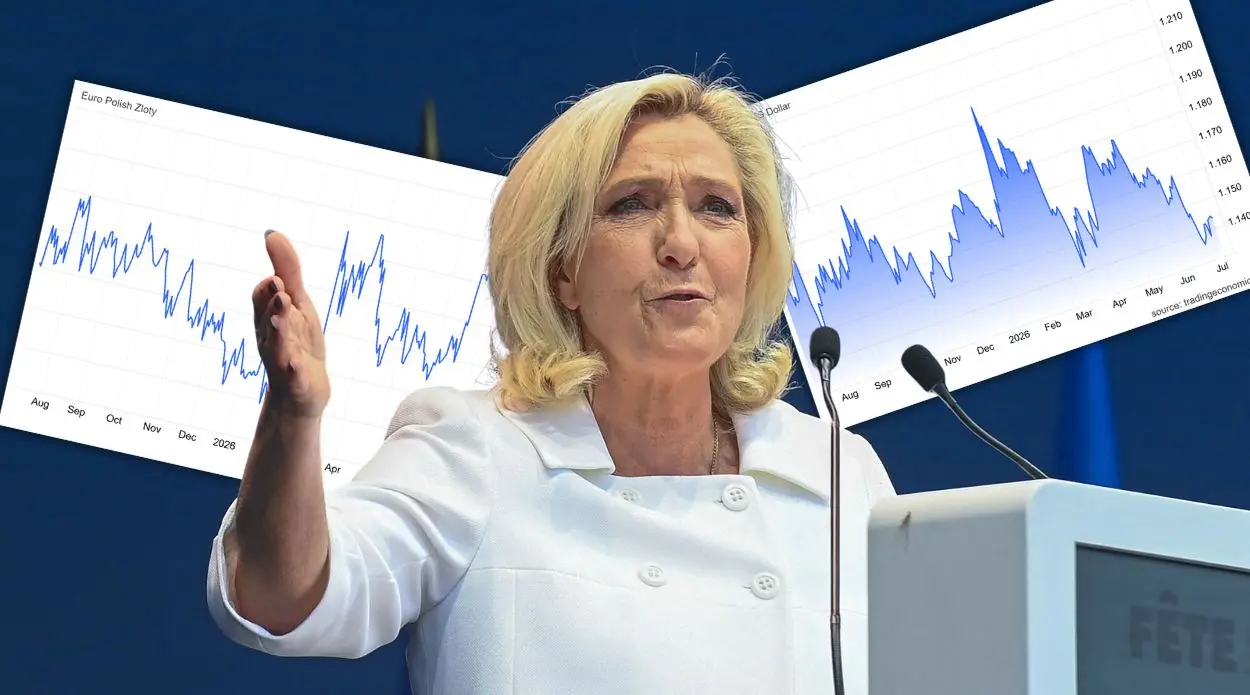
We therefore expect the EURPLN rate to stabilize near 4.25. At the same time we see asymmetric risk of breaking above 3.70 USDPLN, especially if the EURUSD starts falling again below 1.15.
On Wednesday domestic SPW yields changed in the range -3/+13 basis points. In base markets, German bond yields were stable, and U.S. Treasury yields rose by 4-12 basis points.
FOMC, Warsh and U.S. rates
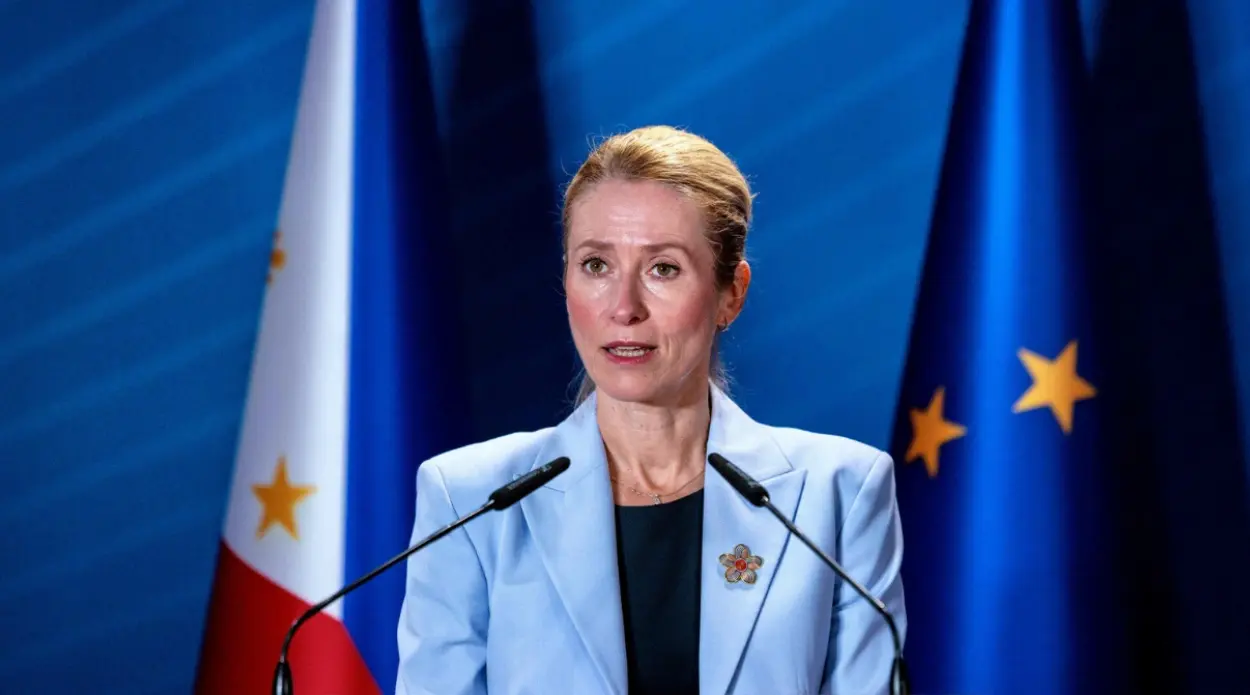
The main reason for the significant rise in UST yields, especially on the short end of the curve, was the change in pricing of future Fed actions after the release of new FOMC projections, which showed a higher expected path of U.S. rates by its members. Additionally, inflation forecasts for 2026 were clearly raised, and the hawkish tone of the macro projections was not softened by the K. Warsh conference, where the new chair emphasized the Fed’s determination to restore price stability.
Consequently, the market began pricing in two rate hikes in the U.S. by year‑end (with a probability of about 33%), 2‑year UST yields reached this year’s highs, and the curve flattened. In the country, the day’s event was the regular auction, where the Treasury sold bonds for PLN 12 billion with demand exceeding PLN 18 billion, the highest since the February 18 auction.
On Thursday European FI markets will be negatively impacted by the June Fed meeting statement, so we expect yields to rise by a few basis points both on major indices and for domestic SPW. In the slightly longer term, we believe that the varied behavior of individual FI markets is possible, especially if data indicating weaker-than‑expected inflationary pressure support them.
Higher UST yields will, however, limit the scale of any global yield declines through the higher risk‑free rate channel in the U.S.
This structure could only change with hard macro data from the United States confirming a deflationary trend, with the first significant release (PCE inflation reading for May) coming only on June 25.