The market is focused on PCE
May estimates suggest that the headline PCE could approach 4% year‑over‑year, while core inflation remained around 3.3%. This means that price pressure still remains clearly above the Fed’s 2% target.
A stronger dollar should act deflationary
The current rise in inflation does not appear to be a classic overheating of the economy, but rather the result of a combination of several cost factors. Energy prices, higher import costs and tariffs that raise the prices of some consumer goods play an important role. Import price data show that the pressure is not limited to fuels, as import prices also rise when energy is excluded. This suggests that the external inflationary impulse is broader and may gradually shift to other price categories.
A stronger dollar should theoretically act deflationary, as it lowers the cost of imported goods and components. In practice, its impact on consumer prices in the USA is limited. Foreign exporters often partially absorb exchange‑rate changes in their margins, so a stronger currency does not fully translate into lower prices for American consumers. In current conditions the dollar therefore helps curb inflation, but it cannot fully neutralise the rise in energy, import and tariff costs.
Core inflation also remains stubborn
Core inflation also remains stubborn, although its sources are varied. Service prices continue to rise at a steady pace, especially in housing and the broader services sector. At the same time wage pressure does not seem to accelerate rapidly, meaning that the current inflation problem does not primarily stem from a new wage‑price spiral. It is more likely that wages sustain the stickiness of service prices, while new inflationary impulses mainly come from import, energy and tariff costs.
For the Federal Reserve this means a difficult decision environment. The Fed currently has no strong arguments for rapid monetary easing, as inflation remains too high. At the same time an immediate rate hike is not an obvious scenario, as part of the price pressure is supply‑side rather than demand‑side. The market currently assumes that the FOMC will keep the federal funds rate in the 3.50–3.75% range in July. At the same time the pricing of 30‑day federal funds futures indicates an over‑80% probability of a rate hike at the September meeting.
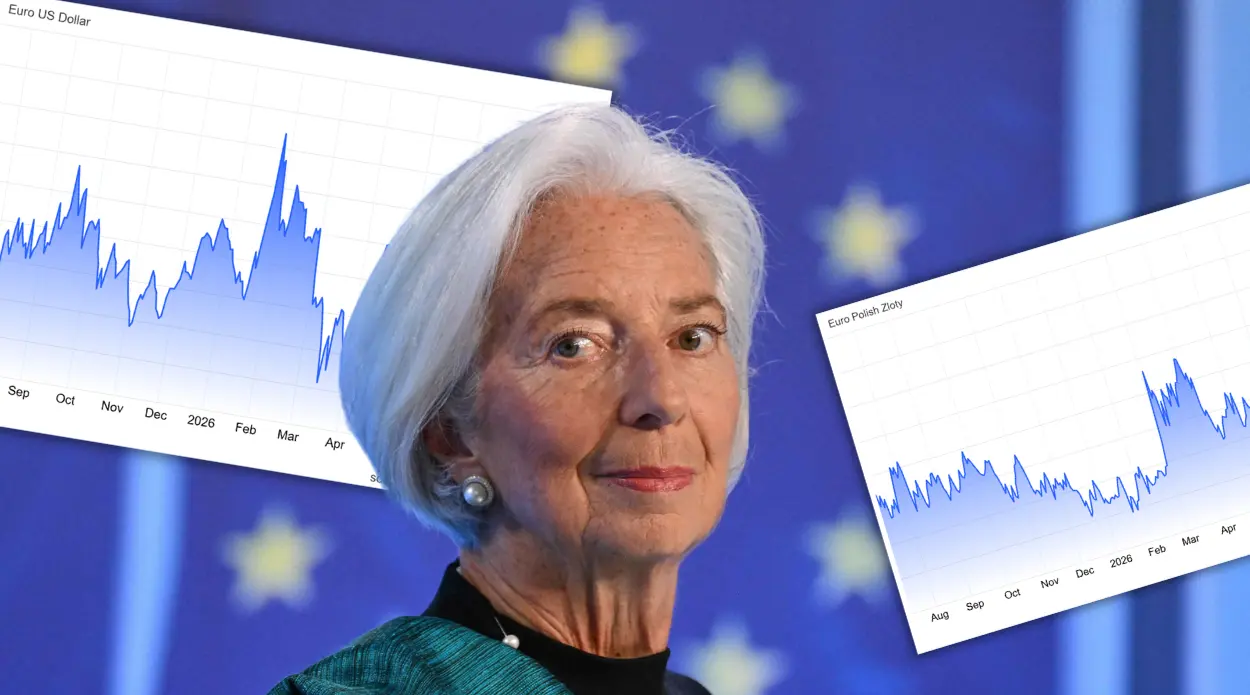
Today’s PCE data will therefore be important, as they could either sustain the hawkish market stance or weaken the belief that the Fed will tighten policy. In the latter scenario the dollar could give back some of its recent gains. The EUR/USD rate is currently around 1.1350, i.e. at its lowest level in 13 months, showing that the market has already largely priced in more restrictive expectations for the Fed.