Financial turbulence – Lufthansa faces losses
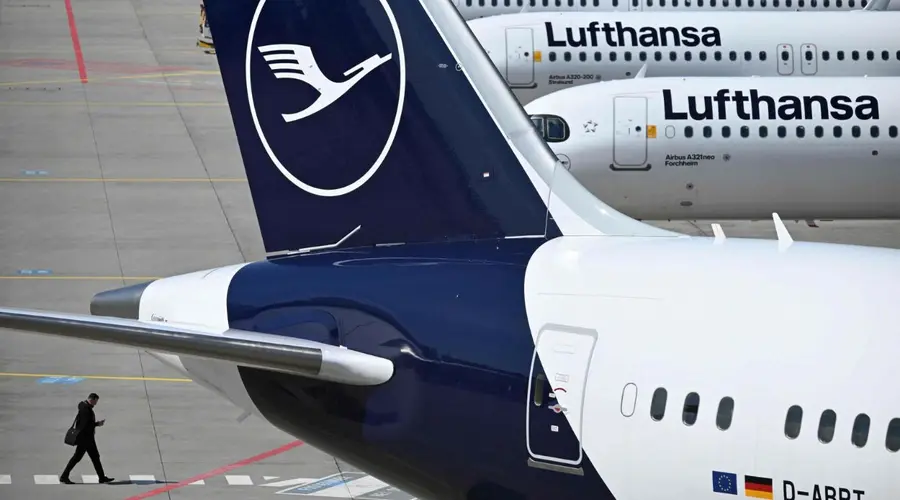
The German aviation giant Lufthansa released its first‑quarter results, which read like a hard landing. While group revenues rose by a solid 8%, reaching 8.7 billion USD, the final operating profit (EBIT) delivered a loss of about 612 million EUR.
This is a clear signal that even aviation leaders are not immune to the gravity of rising operating costs. The biggest challenge for CEO Carsten Spohr remains the aviation fuel bill. It is projected that in 2026 additional costs from this source will amount to as much as 1.7 billion EUR, nearly 2 billion USD of extra burden on the annual balance sheet.
It should be noted that Lufthansa is no novice in risk management, as the company hedged 80% of its fuel needs, which under normal circumstances would be a solid hedge. Nevertheless, the situation in the Middle East far exceeds standard stress‑test scenarios.
Although net income was 665 million EUR, Spohr emphasizes the group’s resilience to “huge challenges.” How long can such a hit be amortized by raising ticket prices before passengers simply abandon travel?
See also: Will flying still be safe? PKN Orlen plans to produce aviation fuel from waste
The war in Iran’s consequences reach the aviation industry
The reasons why aviation fuel has become so expensive lie in the narrow choke‑point of global oil trade, the Strait of Hormuz. The ongoing blockade of this key route has triggered a supply crisis in Europe. This forced airlines to seek alternative supplies in the USA or Nigeria. According to forecasts by the International Energy Agency, aviation fuel in the Old Continent has only six weeks of stock left.
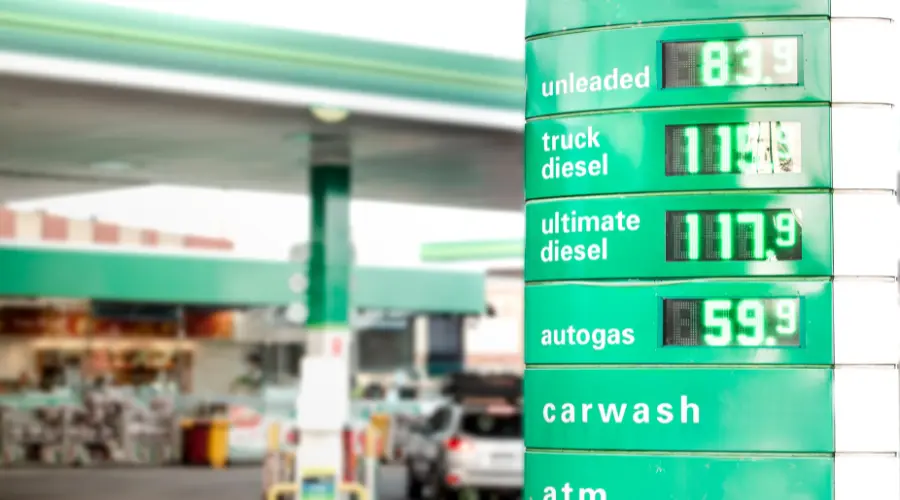
The price of this key raw material for airlines rose by 103% at the end of March, compared to the previous month. Such a price shock cannot simply be hidden in reports, and Europe is especially vulnerable to such shocks. The reason for this situation is that 75% of European aviation fuel stocks come from Middle Eastern refineries. Importantly, we are entering peak season, where air ticket demand will be on average 40% higher than in March.
Lufthansa is meeting the crisis by cutting 20,000 short‑haul flights from its summer schedule. This saves the company 40,000 tons of fuel and simultaneously eliminates unprofitable routes, such as those from Frankfurt to Gdańsk and Wrocław.
Interestingly, the prudent policy of the German giant has calmed investors – LHA shares are up 7.84% to 8.34 EUR.
Chart. Lufthansa stock price (LHA)

Source: TradingView
See also: Fuel prices will hit Polish wallets. Expensive fuel has already led to the bankruptcy of well‑known airlines
EasyJet and the rest of the aviation industry
Lufthansa is not alone, as British EasyJet also felt the heat in the commodity market. In March alone, low‑cost carriers had to pay an extra 25 million GBP (about 34 million USD) for fuel. Their gross loss for the last half‑year was a staggering 560 million GBP. Worse, customers are becoming increasingly cautious, booking tickets at the last minute, which makes revenue forecasting much harder.
The aviation industry must again fight the forces of geopolitics, which are far harder to tame than standard business models. Further escalation of the war in the Middle East could make air tickets a luxury good.
See also: Major airlines cancel 20,000 flights. Fuel prices could ruin your vacation
Source: CNBC